What Does EVA Stand for in Bags and Protective Cases?
EVA stands for ethylene-vinyl acetate, a light, flexible material used in bags, protective cases, shoes, packaging, and molded accessories. If you’re asking what does EVA stand for in bags and protective cases, the short answer is ethylene-vinyl acetate. In bags and cases, EVA can feel soft, cushiony, water-resistant, firm, or shaped, depending on how it is made. This FAQ explains what EVA means, why it is used, and how to choose EVA beach bags, EVA foam bags, an EVA backpack, or a protective case for daily use.
EVA material basics
What does EVA stand for in bags and protective cases?
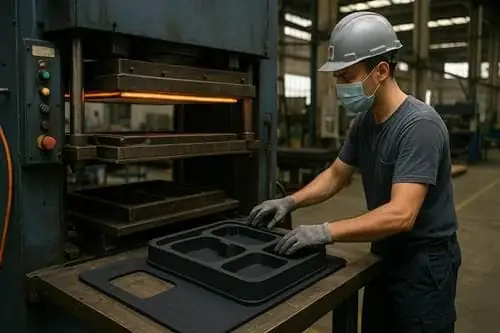
EVA stands for ethylene-vinyl acetate. It is a polymer made from ethylene and vinyl acetate. The mix gives it a rubber-like feel, but it is not natural rubber. In bags and protective cases, EVA often comes as foam, a molded shell, or a flexible sheet. That helps with shape, padding, and daily wear.
When people ask what does EVA stand for in bags and protective cases, they usually want to know whether the material is plastic, foam, rubber, or fabric. The simple answer is that EVA is a synthetic cushion material that can take many forms. It may appear in a hard case, a soft pouch, a beach tote, an EVA backpack panel, or an insert that protects electronics, cosmetics, tools, eyewear, or travel items.
Is EVA the same as EVA foam?
EVA and EVA foam are close, but they are not the same in every use. EVA is the base material. EVA foam is EVA that has been expanded into a light, cushiony form. This foam version is common in protective cases, padded compartments, shoe soles, floating gear, and flexible bag panels.
EVA foam bags may use molded foam for protection, laminated foam for shape, or softer foam panels for comfort. The result depends on density, thickness, surface finish, and build. A dense EVA shell can feel firm and protective, while lower-density EVA foam can feel soft, flexible, and light.
Why is EVA popular for bags and protective cases?
EVA is popular because it balances protection, weight, flexibility, and cost in a practical way. It can absorb small bumps, resist moisture better than many absorbent materials, and keep a clean shape without much bulk. That makes it useful for travel cases, electronics pouches, cosmetic bags, lunch bags, beach totes, and everyday carry gear.
A good EVA design can also look good. The material can be molded, textured, colored, printed, or paired with fabric, mesh, zippers, straps, or lining. That is why EVA appears in both practical protective cases and fashion EVA beach bags made for style as well as use.
EVA bags and everyday use
What are EVA beach bags?
EVA beach bags are tote-style bags made fully or partly from EVA material. Designers often create them for sandy, wet, or casual outdoor settings because the material does not soak up water like cotton canvas or some woven fabrics. Many EVA beach bags have open-top designs, perforated sides, sturdy handles, and easy-clean surfaces.
Their main advantage is convenience. After a beach trip, pool day, boat ride, or picnic, you can usually shake out sand and wipe the bag clean. They’re popular for keeping shape, standing upright better than soft totes, and having various styles.
Are EVA beach bags waterproof?
Many EVA beach bags are highly water-resistant, but waterproof depends on the exact build. The EVA material itself usually resists water well, but seams, handle attachments, holes, zippers, and open tops can let water in. A perforated EVA tote may dry fast and handle splashes, but it is not meant to keep items dry in heavy rain or submersion.
If you need a bag for towels, sunscreen, sandals, toys, and pool gear, EVA is a strong choice. To protect a phone, camera, wallet, or documents, use an inner waterproof pouch. Consider EVA beach bags as easy-to-clean, water-friendly carriers, not waterproof unless stated otherwise.
What should I look for in fashion EVA beach bags?
Fashion EVA beach bags mix the practical benefits of EVA with color, shape, and style details. The right choice depends on your style: a simple tote, a colorful vacation bag, a sporty pool bag, or a bold accessory. Style matters, but function should still guide the choice.
Use this quick checklist before buying:
- Size: Make sure it fits towels, sunscreen, water bottles, sandals, and personal items without becoming hard to carry.
- Handle comfort: Look for handles that feel sturdy and comfortable when the bag is full.
- Base stability: A flat base helps the bag stand upright on sand, tile, or car floors.
- Drainage and ventilation: Perforations can help wet items breathe, but they also expose contents.
- Interior organization: Pouches or inserts help with keys, phones, lip balm, and small items.
- Finish and color: Smooth finishes wipe clean easily, while lighter colors may show dirt sooner.
A fashion-focused bag should still feel useful. The best fashion EVA beach bags look good enough for resort wear or casual errands while staying practical for messy, wet, or sandy use.
Can you use an EVA backpack every day?
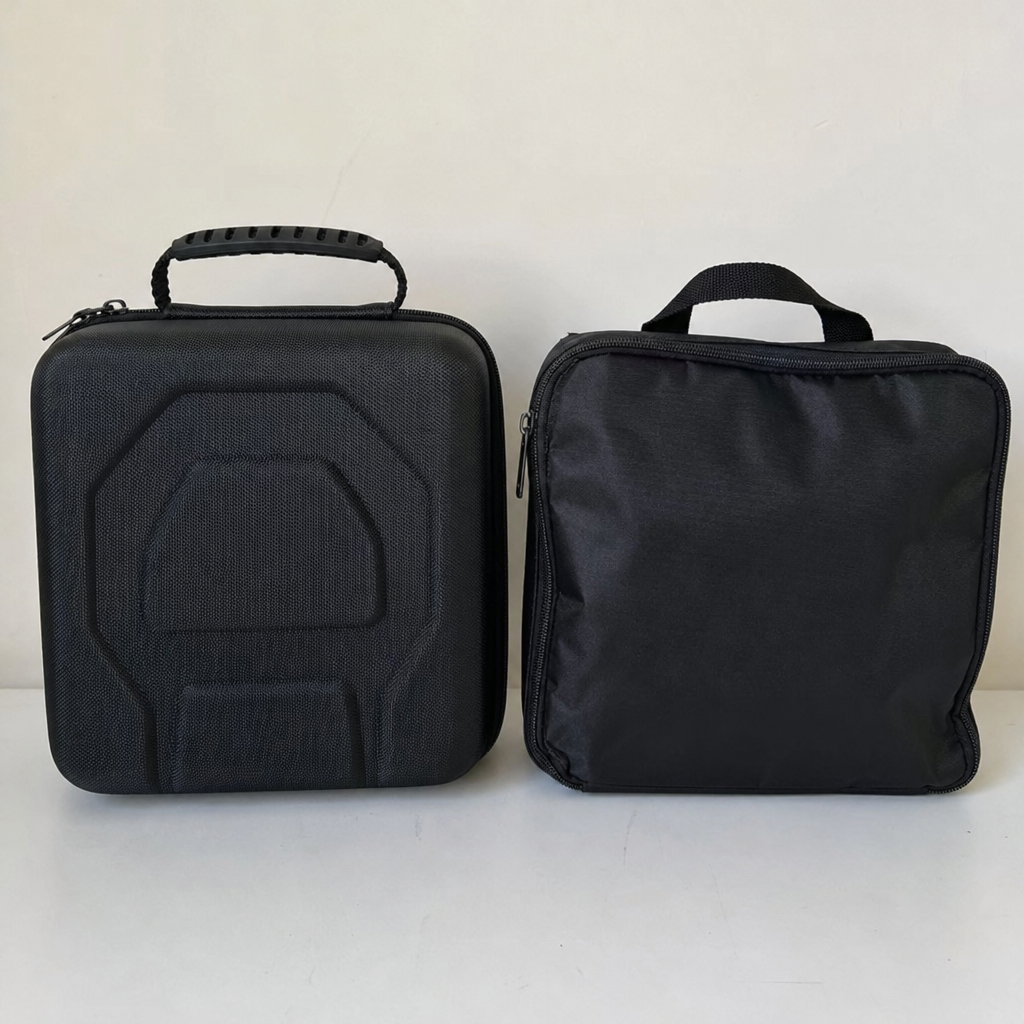
An EVA backpack can work well for daily use if the design matches your routine. EVA may appear as a molded front shell, padded back panel, protective laptop section, splash-resistant exterior, or structured compartment. These features can help the backpack keep its shape and protect contents from light impacts.
For commuting, school, travel, or gym use, pay attention to more than the material. The straps must be comfy, zippers smooth, and the inside should fit laptop, books, water bottle, or accessories. EVA can make a backpack more protective and structured, but overall comfort still depends on the full design.
Are EVA foam bags good for electronics and fragile items?
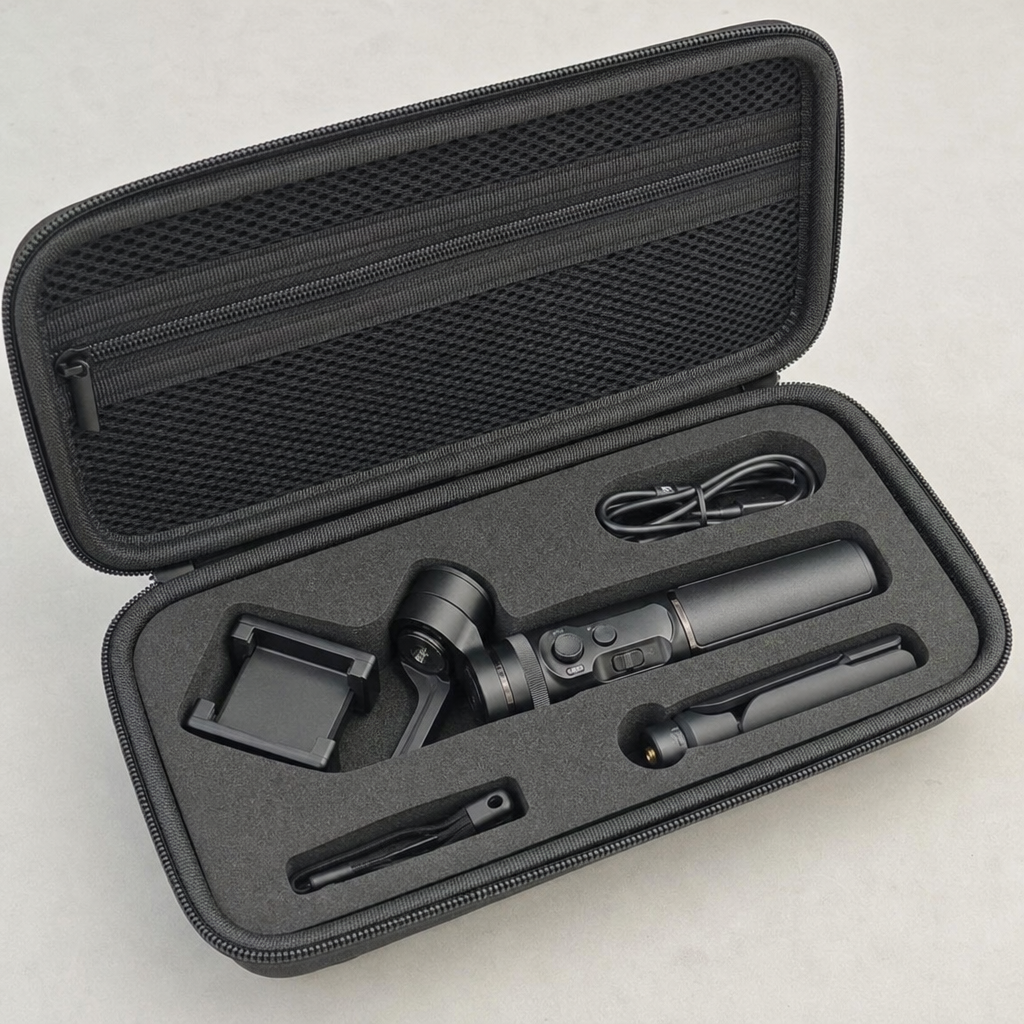
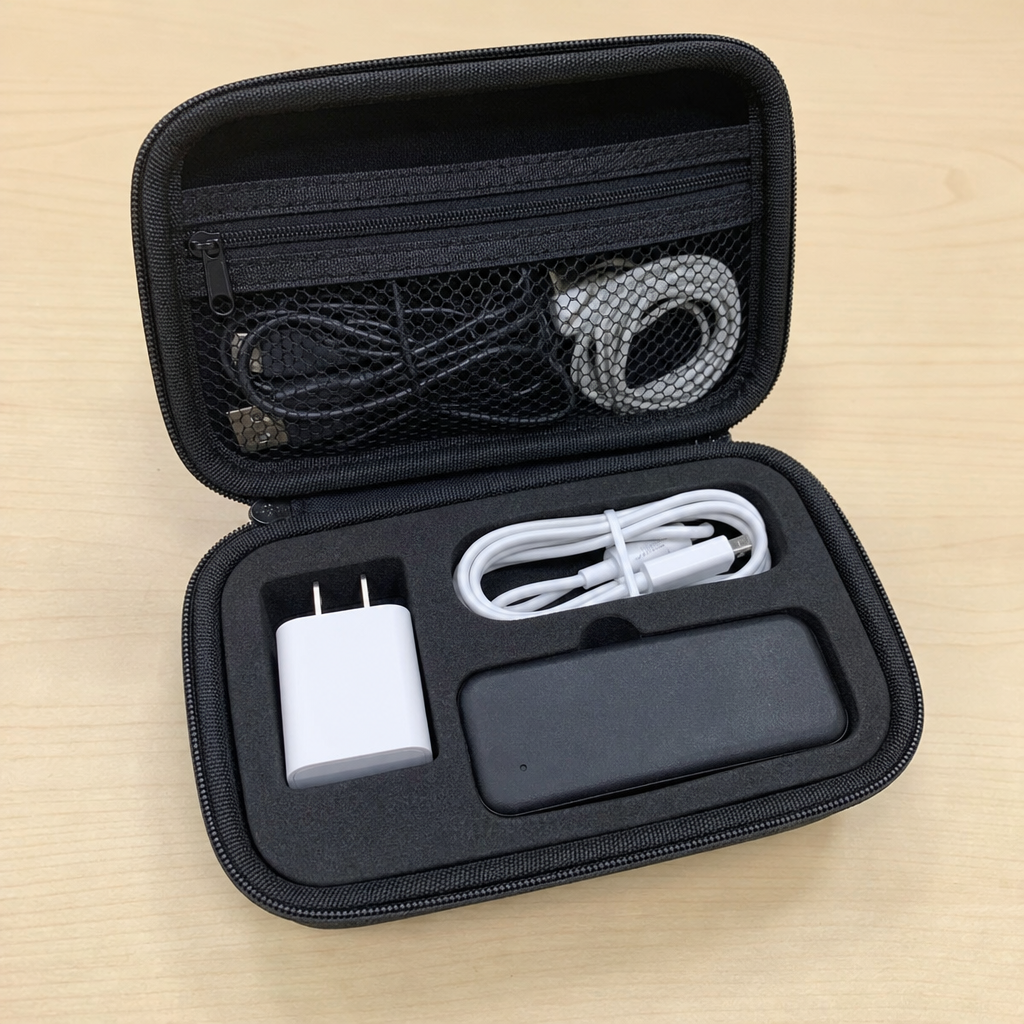
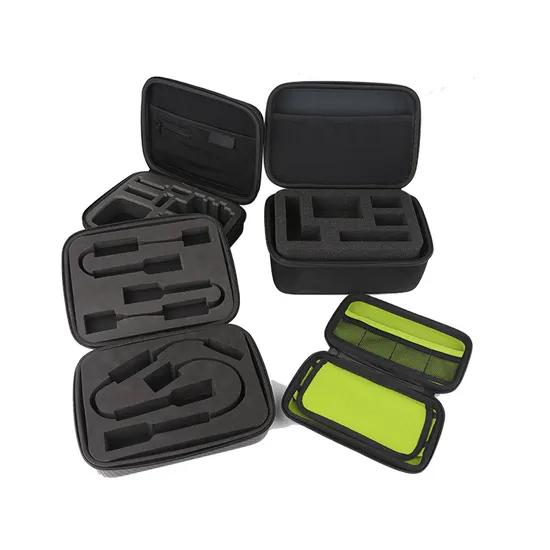
EVA foam bags can be a good option for electronics and fragile items because the foam helps cushion against small bumps, scratches, and pressure. Molded EVA cases are common for headphones, cameras, game accessories, cables, portable drives, medical gear, and small tools. A firm shell helps resist crushing better than a basic fabric pouch.
However, EVA foam is not a guarantee against all damage. Drop height, foam thickness, interior fit, closure quality, and the fragility of the item all matter. When picking a case for electronics, ensure it fits well, has soft lining, compartments, and closes securely.
Protection, durability, and care
How protective is EVA compared with regular fabric?
EVA usually offers more structure and impact cushioning than thin fabric. A regular fabric pouch may protect against scratches, but it often collapses under pressure. EVA foam or molded EVA can help spread light impact and keep the item away from outside surfaces.
That said, fabric can be more flexible, breathable, and easy to repair. Many well-designed bags combine both materials: EVA for the protective structure and fabric for straps, lining, pockets, or exterior style. If protection is your priority, look for EVA thickness, molded corners, a secure closure, and an interior that keeps the item from moving.
Is EVA lightweight?
Yes, EVA is generally known for being light, especially when it is made into foam. That is one reason it is used in travel cases, backpacks, beach bags, and portable organizers. It can add shape and padding without making a bag feel heavy before you even pack it.
Lightweight build is especially useful for travel and family outings. A beach tote that holds towels and toys, or a case that carries chargers and accessories, should not add extra weight. EVA helps maintain the design practical while still giving the bag more body than thin fabric alone.
Is EVA durable enough for outdoor use?
EVA is strong for outdoor activities like beach trips, pool days, camping, boating, picnics, and sports. It handles moisture and light abrasion better than many delicate materials. Its smooth surface also makes it easier to clean after sand, dirt, sunscreen, or spills.
Durability still depends on the build. Weak seams, thin handles, poor zippers, or low-quality attachments can fail before the EVA material does. For outdoor use, inspect stress points such as handles, strap anchors, corners, zipper tracks, and any areas where EVA is stitched, glued, or riveted to other parts.
How do you clean EVA bags and cases?
EVA is usually simple to clean, which is one of its biggest everyday benefits. For most EVA bags and cases, a soft cloth, mild soap, and water are enough. Avoid harsh solvents unless the product’s care instructions say they are safe, because strong chemicals can affect the surface finish or color.
A practical cleaning routine is simple:
- Empty the bag or case completely.
- Shake out sand, crumbs, or loose debris.
- Wipe the surface with a damp cloth and mild soap.
- Use a soft brush for textured areas or perforations.
- Rinse lightly with a clean damp cloth.
- Let it air dry fully before storing or repacking.
Do not store EVA items while they are damp inside. Even if the material resists water, trapped moisture in pockets, lining, or accessories can cause odor.
Does EVA smell when new?
Some EVA products may have a mild new-material smell when they are first unpacked. Many synthetic materials can undergo this process, especially if the item has been sealed in packaging. In most cases, airing the bag or case in a well-ventilated space helps cut the odor.
If smell matters to you, open the product before the day you plan to use it. Wipe it down, let it sit in fresh air, and avoid leaving it in a hot closed car. If the smell is very strong, lasts too long, or feels irritating, contact the seller or maker and follow the care guide.
Choosing the right EVA product
What is the difference between a soft EVA bag and a hard EVA case?
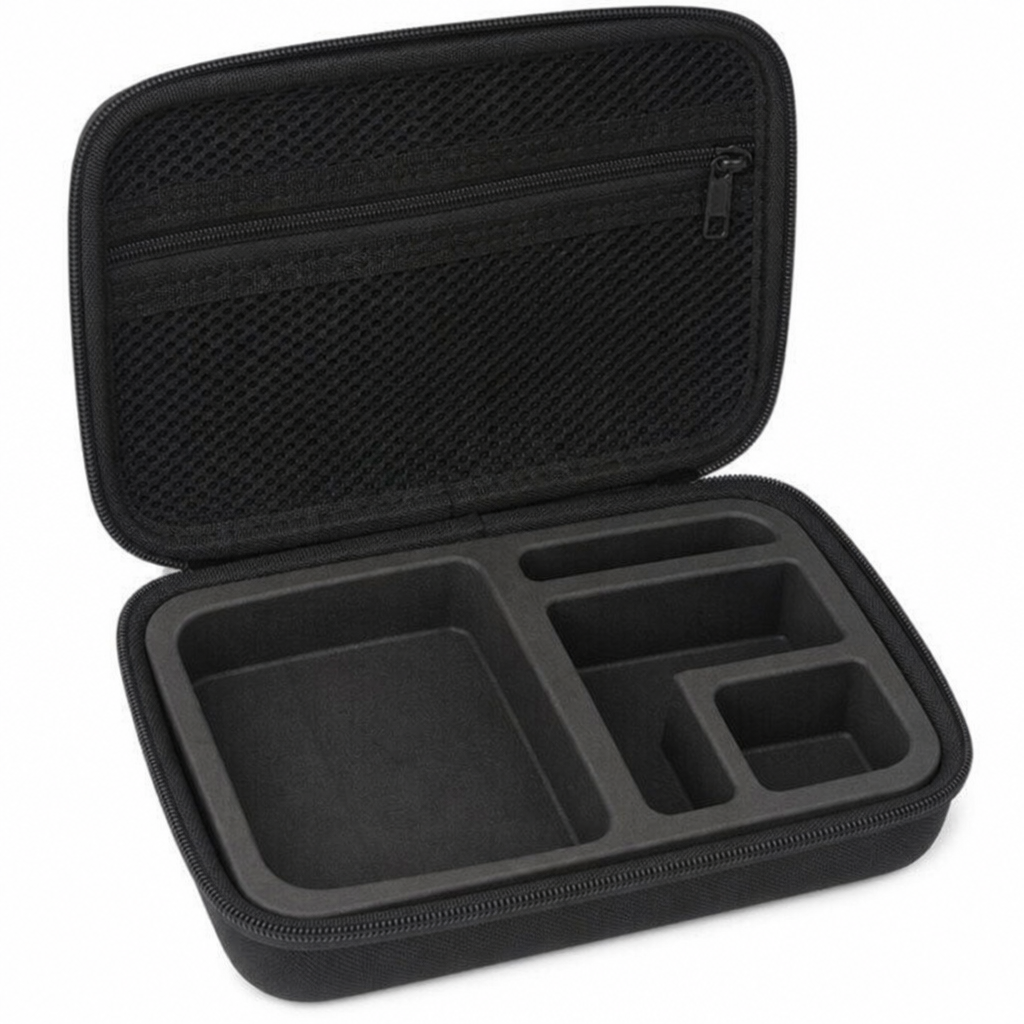
They make a soft EVA bag for flexibility, light protection, and easy carrying. It may bend or compress a little, which is useful for totes, pouches, lunch bags, and casual organizers. Manufacturers usually mold a hard EVA case into a more rigid shape and design it to protect specific items from pressure and minor impact.
Here is a simple comparison:
| Feature | Soft EVA bag | Hard EVA case |
|---|---|---|
| Best for | Everyday carrying, beach gear, cosmetics, lunch, travel items | Electronics, tools, eyewear, accessories, fragile items |
| Feel | Flexible or semi-structured | Firm and molded |
| Protection level | Light to moderate | Moderate, depending on shell and lining |
| Organization | Often open or pouch-based | Often shaped compartments or elastic straps |
| Main benefit | Light, easy use | Better shape retention and crush resistance |
Choose soft EVA when comfort and capacity matter most. Choose hard EVA when the item inside needs a defined protective space.
How do I choose the right EVA foam bag?
Start with what the bag needs to carry or protect. A cosmetic EVA foam bag may need wipe-clean lining and small compartments, while an electronics case needs a snug fit and more structure. A travel organizer may need flexible space for cables, chargers, toiletries, or first-aid items.
Before buying, check these details:
- Purpose: Is it for beach gear, tech, school, travel, tools, or accessories?
- Fit: Does the main item sit securely without sliding around?
- Thickness: Does the foam feel strong enough for the job?
- Closure: Are zippers, snaps, or lids secure and easy to use?
- Interior: Is the lining soft enough for scratch-prone items?
- Easy carry: Does it have handles, straps, or a compact shape?
A good EVA foam bag should make carrying easier while lowering the risk of everyday damage. If the item is expensive or fragile, choose fit and structure over looks.
Are codename EVA pink bags a specific type of bag?
The phrase codename eva pink bags may point to a product name, style label, collection name, or search phrase rather than a broad bag category. Without a specific listing, it is safest to treat it as a brand-style term. In general, it suggests pink bags made with EVA material or sold with EVA in the name.
If you are comparing codename eva pink bags, look beyond the color. Check the size, material notes, closure, handle design, interior layout, and whether the bag is meant for beach use, fashion use, storage, or protection. Pink can be a style choice, but the build decides whether the bag is practical.
Are EVA bags eco-friendly?
EVA has practical advantages, but it should not automatically be called eco-friendly unless the product gives clear details about recycled content, production standards, repairs, or take-back options. EVA is a synthetic material, and its environmental impact depends on how it is made, how long it lasts, and how it is disposed of. A durable EVA bag used for a long time may be a better choice than a low-quality item replaced often, but that does not make every EVA product green.
If green living matters to you, look for clear product details. Useful signs include recycled materials, replaceable parts, minimal packaging, responsible manufacturing claims with support, and a design you will really use for years.
Can EVA bags be stylish and practical at the same time?
EVA bags can be stylish and practical because the material allows for clean shapes, bold colors, and structured designs.
The material of EVA bags supports clean shapes, bold colors, and structured designs, making them fashionable and useful.
EVA bags can be both fashionable and practical because the material enables clean shapes, bold colors, and structured designs. That is why you see EVA in modern beach totes, cosmetic cases, sporty backpacks, and travel organizers.
The key is choosing a design that fits your real routine. A sculpted tote may look great at the pool but need an inner pouch for valuables. An EVA backpack may look sleek, but it still needs comfortable straps and enough compartments. The best EVA bag is not just attractive; it solves a carrying problem without making the day harder.
What is the best use for EVA in bags and protective cases?
EVA works best when you need light structure, moisture resistance, padding, or easy cleaning. It is especially useful for beach bags, molded tech cases, travel pouches, cosmetic organizers, backpacks with protective panels, kids’ bags, and storage cases for small accessories. It is less ideal when you need a fully breathable fabric, a luxury natural material, or a truly sealed waterproof container.
In short, EVA is a practical middle ground. It gives more shape and protection than many soft fabrics, while staying lighter and more flexible than many rigid plastics. If you want a bag or case that is easy to carry, simple to clean, and ready for daily bumps, EVA is often a smart material to choose.