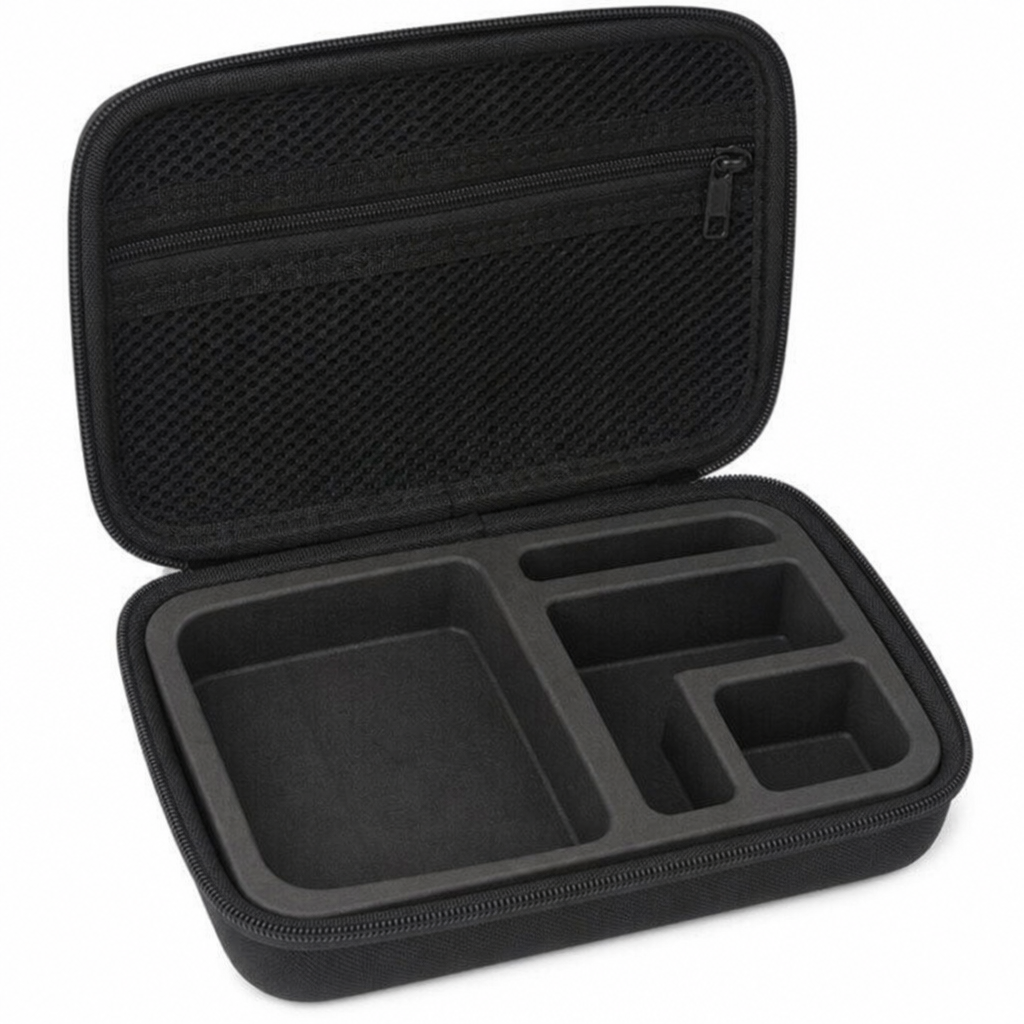
What Is an EVA Case A Complete Guide to EVA Material Structure and Applications
An EVA case is a lightweight protective case made from ethylene-vinyl acetate foam, often shaped through heat molding to fit a product, tool, device, or accessory. It is popular because it balances cushioning, structure, water resistance, and a clean retail-ready appearance without the weight of many rigid plastic or metal cases. This guide explains how EVA material works, what makes a molded EVA case useful, and how to choose the right structure for your application.
What is an EVA case?
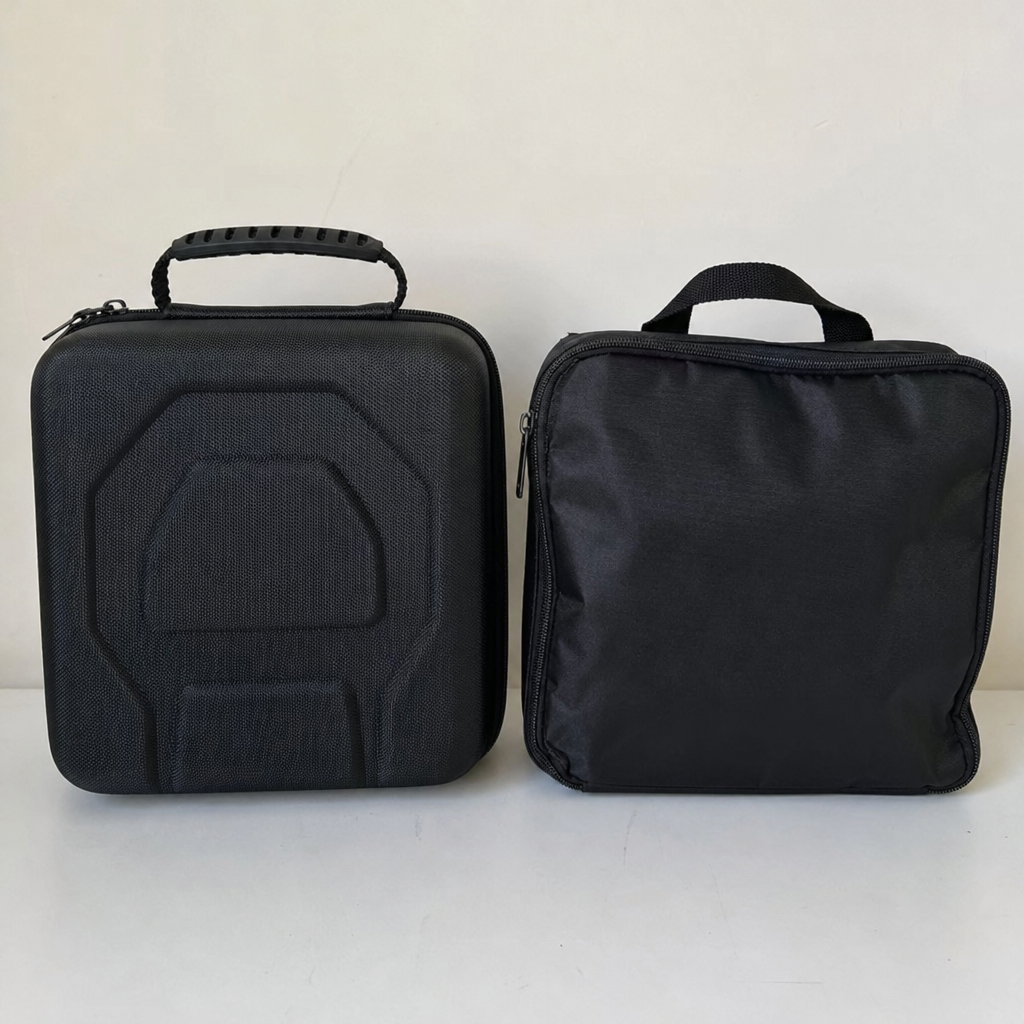
An EVA case is a semi-rigid storage and transport case made with EVA foam as the main protective layer, usually covered with fabric, PU, leather-like material, or another exterior finish. EVA foam absorbs everyday bumps, resists light moisture, and can be molded into rounded, curved, or product-specific shapes. In simple terms, it gives you the neat look of a hard case with the softer impact protection of foam.
The phrase “What Is an EVA Case? A Complete Guide to EVA Material, Structure, and Applications” often comes up because EVA cases sit between soft pouches and fully rigid boxes. They are more structured than a drawstring bag, but usually lighter and more flexible than injection-molded plastic. That makes them useful for electronics, eyewear, medical accessories, tools, cosmetics, gaming equipment, and travel kits.
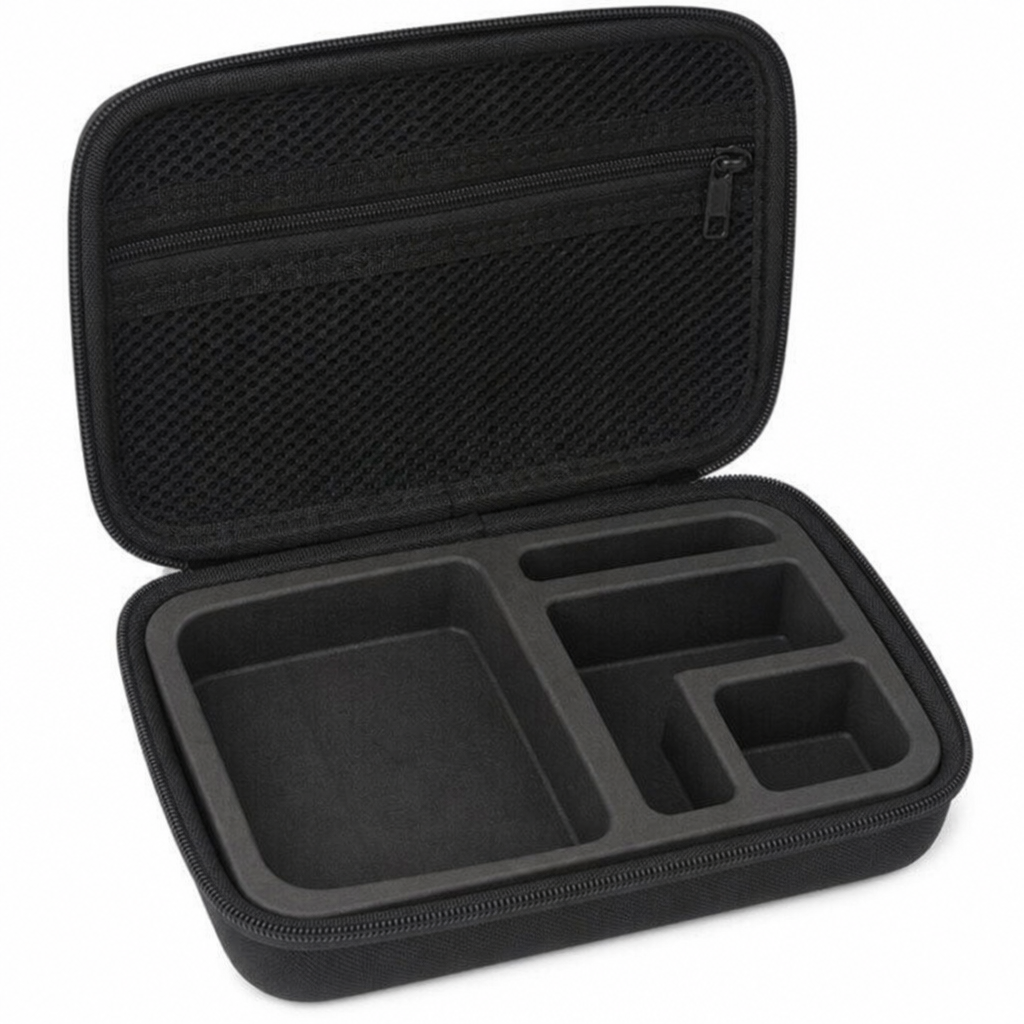
EVA material combines flexibility with protective structure
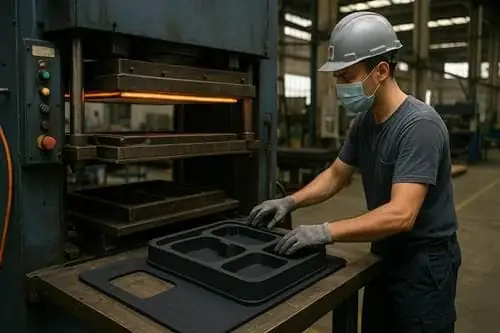
EVA stands for ethylene-vinyl acetate, a foam material known for its elasticity, cushioning, and low weight. In case production, EVA sheets are typically laminated with surface fabric, heated, compressed in molds, and shaped into shells. The result is a case that can hold its form while still giving slightly under pressure.
This balance is the reason EVA is used for both everyday consumer packaging and more technical carrying solutions. A molded EVA case can be designed with a smooth outer shell, a raised logo area, an internal mesh pocket, elastic straps, or custom-cut foam. The material also supports compact forms, including an EVA case rounded at the corners for easier handling and a softer visual style.
Main parts of a well-designed EVA case
Most EVA cases look simple from the outside, but good performance depends on several layers and components working together. A case made only for appearance may not protect well, while an overly bulky one may frustrate users.
Key parts often include:
- Outer shell: The molded EVA layer that gives the case its shape and impact resistance.
- Surface covering: Polyester, nylon, PU, leather-like fabric, or textured material that affects durability and appearance.
- Interior lining: Soft fabric, velvet, microfiber, or brushed material that helps prevent scratches.
- Closure system: Usually a zipper, but some designs use magnetic flaps, snap closures, or elastic bands.
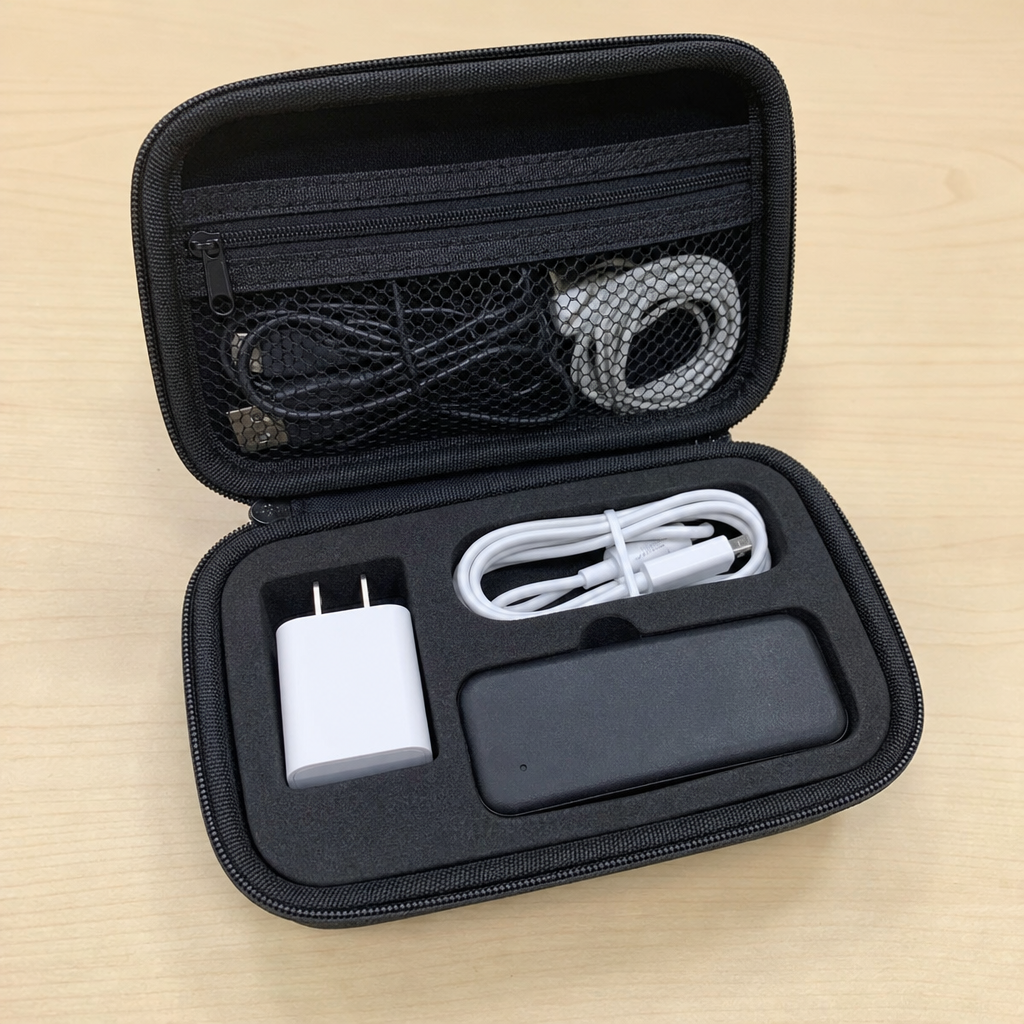
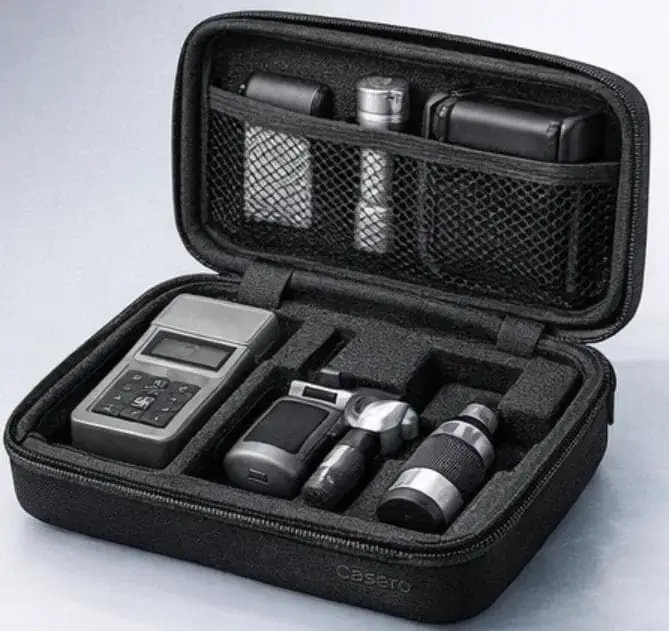
- Internal organization: Mesh pockets, molded trays, foam inserts, straps, dividers, or elastic loops.
- Branding area: A logo patch, embossed mark, printed panel, zipper pull, or woven label.
The best structure depends on what the case must protect. An EVA sunglasses case needs a smooth lining and crush-resistant shell, while a tool case may need stronger inserts and elastic retention. A travel electronics case may benefit from mesh pockets, cable loops, and a slim profile that fits inside a backpack.
Why do brands choose molded EVA cases?
Brands choose molded EVA cases because they can be customized for protection, presentation, and user experience at the same time. The case can be shaped around the product, finished in brand colors, and designed to feel valuable when the customer opens it. That makes EVA useful not only as packaging, but also as a reusable accessory that keeps the product visible in daily life.
A molded design also helps reduce wasted space. Instead of placing a small device inside a generic box, the case can follow the product’s outline and hold accessories securely. For products with delicate surfaces, such as glasses, headphones, cameras, or precision tools, the interior can be made soft while the exterior remains structured.
There is also a practical shipping and storage benefit. EVA cases are generally lighter than many hard-shell alternatives, which can make them easier to carry and package. They can feel premium without becoming heavy, which is one reason they appear across both consumer and professional categories.
Common EVA case applications
EVA cases are used wherever a product needs portable protection with a polished look. The material is adaptable, so the same basic manufacturing approach can produce slim retail cases, compact travel organizers, or thick protective shells.
Common applications include:
- Eyewear and accessories An EVA sunglasses case protects lenses from scratches and helps prevent frames from being crushed in a bag. Rounded edges make the case easier to slide into purses, backpacks, and glove compartments.
- Electronics and cables Earbuds, chargers, portable drives, microphones, handheld gaming accessories, and small devices often use EVA cases because they need both padding and organization.
- Medical and wellness products Thermometers, small monitors, massage tools, and personal care devices may use custom inserts to keep components separated and easy to find.
- Tools and professional kits Lightweight tool kits, testing devices, and repair sets benefit from elastic loops, molded compartments, and durable zippers.
- Cosmetics and beauty devices EVA works well for grooming tools, skincare devices, nail equipment, and compact beauty kits because it can look refined while staying functional.
- Sports, outdoor, and travel gear Protective travel cases for action cameras, small accessories, and fitness items can be shaped for portability and repeated use.
Soft pouch, EVA case, or hard case
Choosing the right case style depends on risk, product value, user expectations, and budget. A soft pouch is light and simple, but it does not offer much crush resistance. A traditional hard case can be highly protective, but it may be bulkier, heavier, or more industrial in appearance.
An EVA case sits in the middle. It is not always as rigid as a plastic equipment case, but it offers better structure than most fabric bags. If you see terms like “eva f hard case” in product searches, they are often pointing toward this semi-hard category: firm enough to protect everyday items, but still lighter and more flexible than many hard-shell options.
Use EVA when the product needs:
- Better shape retention than a pouch
- A lighter feel than a heavy hard case
- Custom interior organization
- A smooth, branded exterior
- Protection for daily carrying rather than extreme industrial impact
How should you choose an EVA case supplier?
Choose an EVA case supplier by looking at their ability to match your product, not just their ability to make a generic case. A good supplier should ask about product dimensions, protection needs, surface finish, branding, interior layout, order expectations, and how the end user will carry the case. The right questions early in the process help prevent poor fit, weak zippers, awkward compartments, or an outer shell that looks good but performs badly.
Before placing an order, prepare the essentials: product measurements, accessory list, preferred colors, logo requirements, target use case, and any packaging needs. If you need a rounded shell, slim profile, molded tray, or premium lining, say so clearly. Search phrases like “eva case howard” may appear when buyers are looking for specific suppliers, regions, or product examples, but the real decision should come down to capability, communication, sampling quality, and consistency.
A simple supplier checklist includes:
- Can they create a custom mold or only standard sizes?
- Do they offer material and lining options?
- Can they make a sample before bulk production?
- Are zipper, stitching, and edge finishing clean?
- Can they support branding methods such as embossing, printing, or labels?
- Do they understand the product’s real protection needs?
Final takeaway
EVA cases are popular because they offer a practical blend of structure, cushioning, light weight, and visual appeal. From an EVA sunglasses case to a custom molded EVA case for electronics, tools, or travel accessories, the format can be adapted to many products without feeling bulky or overly complex. If you want a reusable case that protects the item and improves presentation, EVA is often a smart middle ground between a soft pouch and a fully rigid hard case.