Equipment owners now pay more attention to how they store daily gear. An EVA carrying case is a light, shaped case for travel, work, school, events, and storage. It helps shield gear from bumps, scratches, dust, and normal handling without the bulk of a hard case. If you ask what is an EVA carrying case and how does it protect your equipment, the short answer is that it keeps gear safe and easy to move.
Why are buyers choosing EVA carrying cases?
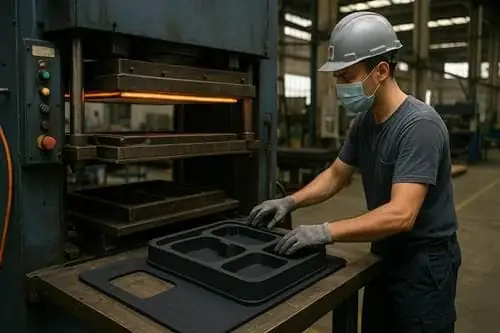
Buyers choose EVA carrying cases because they give a good mix of protection, easy carry, and order. EVA, short for ethylene-vinyl acetate, is a molded foam-like material that keeps its shape but still has some flex. That makes it a better fit than a soft pouch when you need more support and less weight than a rigid case.
This is why people use an EVA bag for electronics, small instruments, camera gear, medical kits, gaming gear, cables, headphones, and small tools. A carrying case made with EVA can match the item inside, which helps cut movement and limit wear. In simple terms, it is a semi-rigid storage choice that absorbs daily knocks, keeps items in place, and makes transport easier.
The material stays light but firm
An EVA bag or case usually has a molded shell that stands up to light pressure better than fabric alone. This matters in a backpack, suitcase, work van, or storage bin, where other items can press on it. The outer shell adds a buffer between the gear and the world around it.
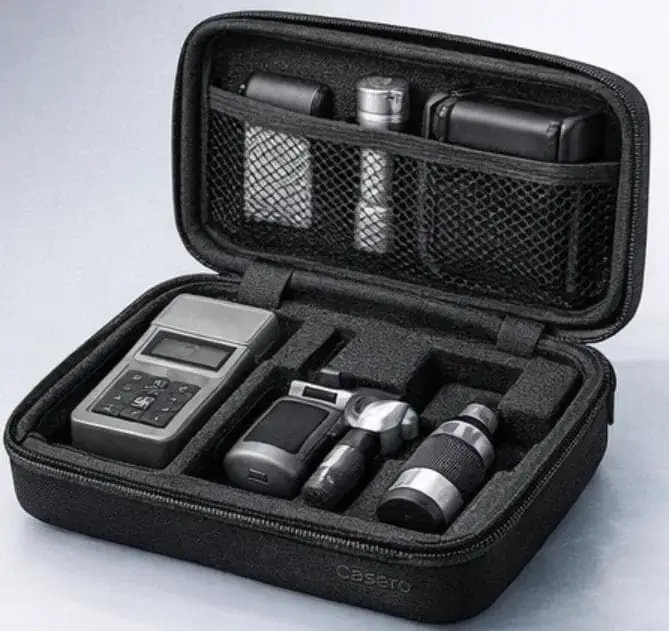
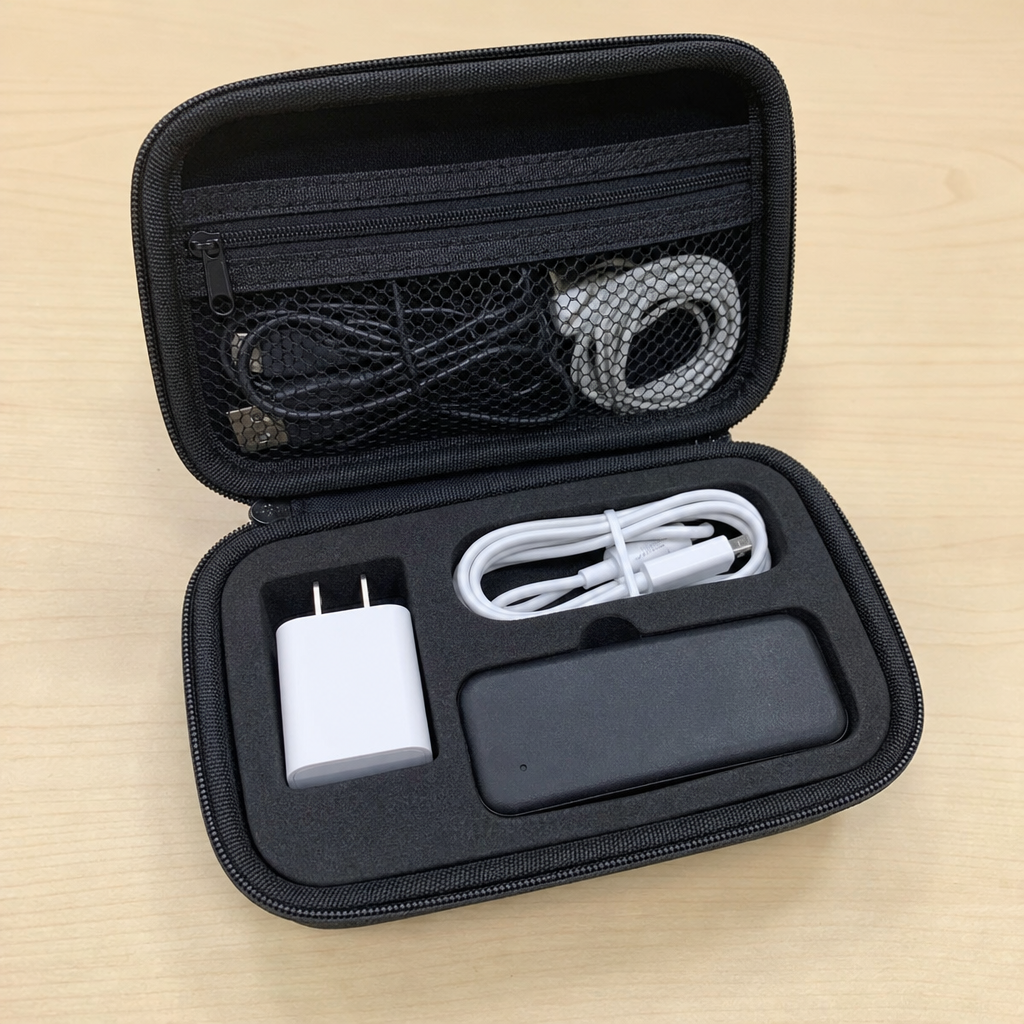
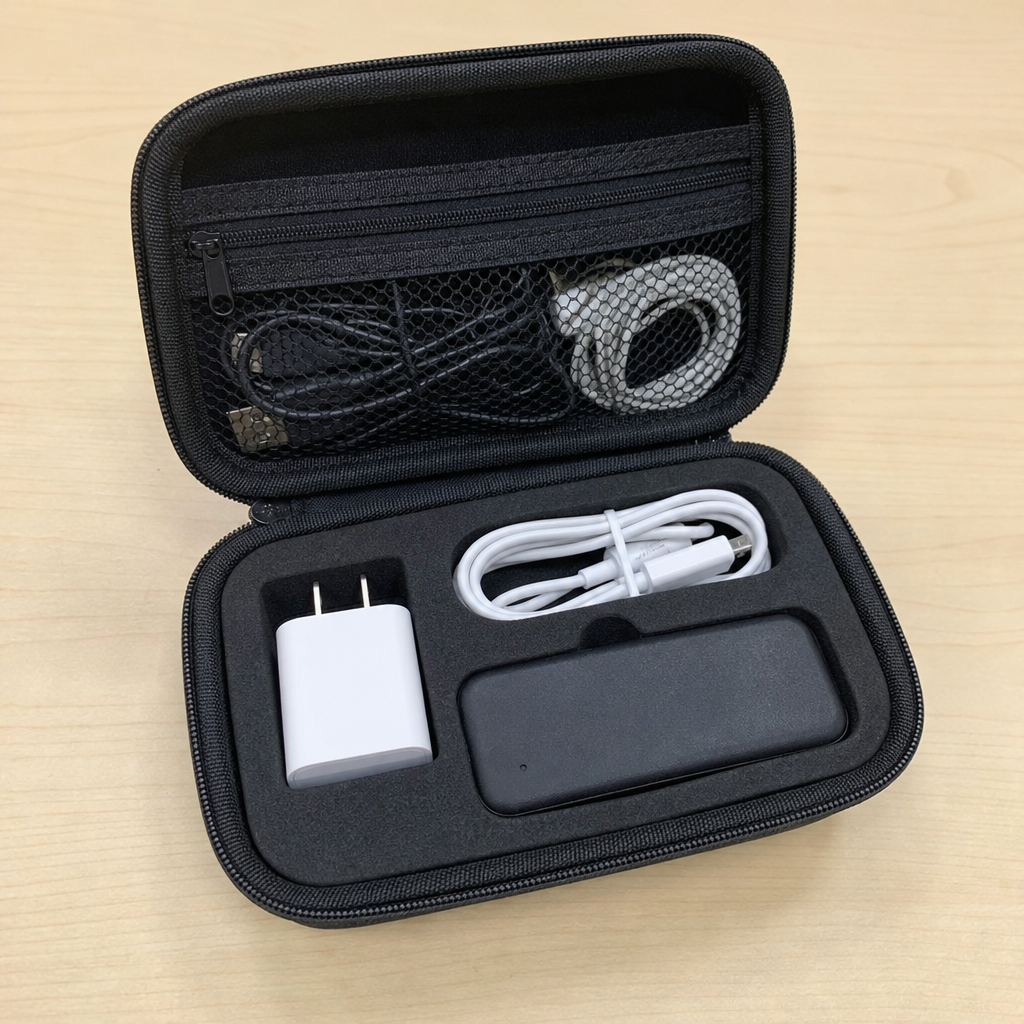
Inside, many EVA cases use soft lining, mesh pockets, elastic straps, foam inserts, or molded slots. These features matter as much as the shell. Protection is not only about blocking outside force. It is also about cutting inside movement, keeping accessories apart, and stopping surfaces from rubbing.
This makes the eva case a useful middle choice. It is not built for harsh industrial use, deep water, or heavy crushing. But for daily carry and normal travel, it gives gear a cleaner, safer place to sit.
Protection comes from impact control and order
A protective case works best when it handles both outside hits and inside motion. EVA can soften small shocks, but the design decides how well the gear is supported. A snug fit, strong corners, a good zipper, and a smart inside layout all help.
For example, a travel case for headphones may use a molded space that keeps the cups from moving. A case for tools may use elastic loops to keep sharp or heavy parts from hitting each other. A case for electronics may use mesh pockets so chargers, adapters, and cables do not scratch the main device.
Key protective features often include:
- Semi-rigid molded shell: Helps resist dents, pressure, and light impact during handling.
- Cushioned interior: Adds a soft touch point around delicate gear.
- Custom or fitted compartments: Limits movement and keeps accessories apart.
- Secure closure: A strong zipper or closure system helps keep the contents in place.
- Portable handle or strap: Makes the carrying EVA case easier to take along without dropping or squeezing it.
- Dust and scratch resistance: Helps protect surfaces when gear is not in use.
These details show why EVA has moved past simple packing and into daily storage. The material supports practical use where people need protection, but also want the case to stay compact and easy to carry.
Common uses now reach across work and travel
EVA cases are used in many groups because the shape can be changed to fit the item. A small eva bag may hold earbuds, charging cables, or personal gear. A larger carrying case may be made for drones, test tools, beauty devices, microphones, game pads, or show gear.
For travel, the value is simple. A travel case keeps items together and easy to find, while it also lowers the risk of damage from shifting luggage. For work, a dedicated protective case helps teams keep gear ready for repeat use, especially when the same items move between job sites, cars, offices, or client spaces.
These cases also support better storage habits. When each accessory has a clear place, missing items are easier to spot before leaving home or the job site. That can matter as much as impact protection, especially for kits with many small parts.
Selecting the right EVA case needs a close fit
Not every EVA case gives the same level of protection. A case that is too large may let the item slide around. A case that is too tight may press on buttons, screens, lenses, or plugs. The best pick is usually one that matches the gear’s shape and still leaves room for needed extras.
Buyers should think about the main use before they choose a case. A case kept on a shelf may need less outer support than one carried through airports or worksites. A device with fragile parts may need molded foam support. A cable kit may need pockets and dividers more than thick padding.
Before buying, check:
- Equipment size to make sure the item fits without force.
- Inside layout to see that accessories have separate space.
- Shell firmness to match the handling the case will face.
- Zipper and stitching quality because closures often wear first.
- Carry style such as handle, wrist strap, shoulder strap, or small pouch.
- Surface needs including scratch-prone screens, lenses, polished finishes, or delicate controls.
A good match does more than hold gear. It makes the gear easier to carry, faster to pack, and less open to daily damage.
The takeaway for equipment owners
EVA carrying cases are getting more attention because they solve a common problem in a simple way. People need gear to move safely without hauling large storage. They give you a firm shell, less weight than many hard cases, and enough design options for electronics, tools, accessories, and travel kits.
The main point for buyers is to choose based on fit and use, not looks alone. A good carrying case should protect the gear, organize the accessories, and make normal handling easier. As more products are built to move, the EVA travel case should stay a smart pick for everyday protection without extra bulk.
Q&A
Question: What makes an EVA carrying case different from a soft pouch or a hard case?
Short answer: An EVA carrying case sits between the two. It gives more shape and impact resistance than a soft pouch because of its semi-rigid molded shell, but it is usually lighter and less bulky than a rigid plastic or metal hard case. That makes it useful for daily transport, storage, and travel when gear needs protection without extra weight.
Question: Does an EVA case protect equipment from all types of damage?
Short answer: No. An EVA case can help with bumps, scratches, dust, light pressure, and minor shocks, especially when the inside fit is snug. But it is not always made for harsh industrial use, waterproof submersion, or heavy crushing. The level of protection depends on shell firmness, inside padding, fit, zipper quality, and the case design.
Question: Why is the inside layout as important as the outer shell?
Short answer: The outer shell cuts outside impact, but the inside layout controls movement. Mesh pockets, elastic straps, foam inserts, molded slots, and soft lining can keep accessories apart, stop rubbing, and prevent items from hitting each other during travel. A well-planned inside often makes the difference between basic storage and real protection.
Question: How should buyers choose the right EVA carrying case?
Short answer: Buyers should choose based on fit, use, and the type of gear being carried. The case should match the gear’s size without pressing on weak parts, and it should have enough space for accessories. Shoppers should also check shell firmness, closure quality, stitching, carry style, and whether the gear has scratch-prone surfaces, lenses, screens, or delicate controls.