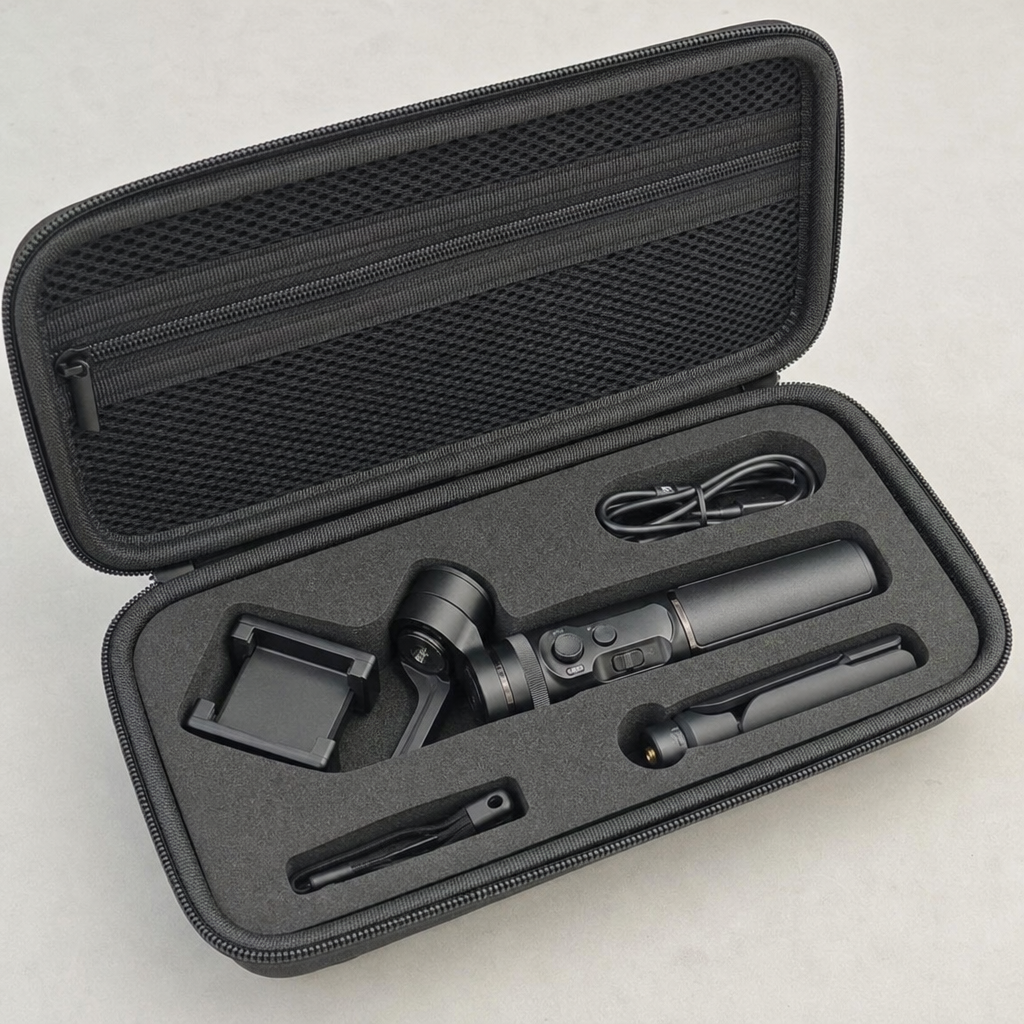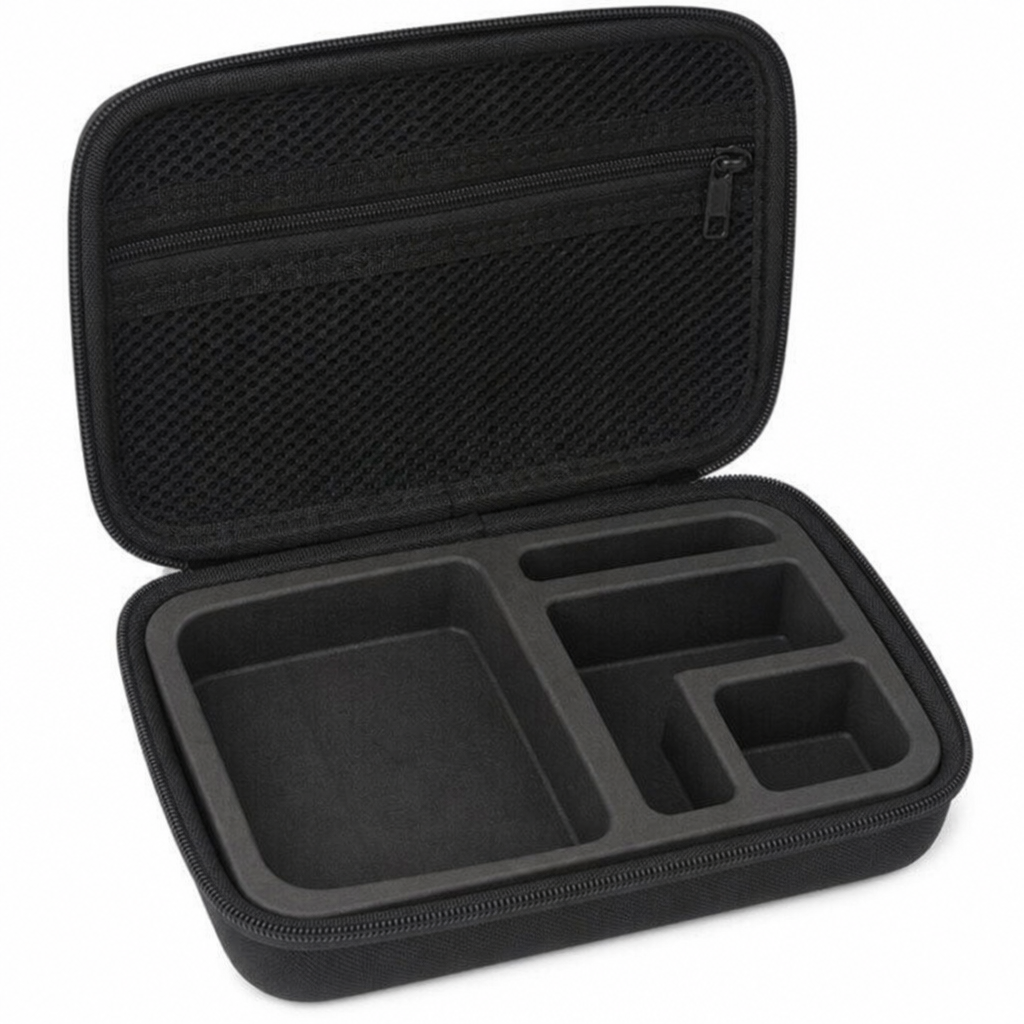
Luggage is no longer simply a practical product used to carry personal belongings. As consumer expectations continue to evolve, luggage design has become an important combination of aesthetics, functionality, structure, materials, manufacturing technology, and user experience.
From suitcases and travel bags to business cases, backpacks, cosmetic cases, and specialized equipment bags, modern luggage products are becoming increasingly diverse. At the same time, fashion trends are changing faster, product update cycles are becoming shorter, and brands are paying greater attention to product differentiation.
For luggage brands and product developers, good design is not only about creating an attractive appearance. A successful luggage product must also have a reasonable structure, appropriate materials, practical functions, and a manufacturing process that can consistently reproduce the original design.
Why Is Luggage Design Important?
The importance of luggage design has increased as the luggage industry has become more competitive and consumer expectations have become more sophisticated.
A well-designed luggage product needs to balance several factors:
- Appearance and visual appeal
- Functionality and usability
- Structural stability
- Material selection
- Manufacturing feasibility
- Product durability
- User comfort
- Cost control
- Brand identity
These factors are closely connected.
For example, a visually attractive luggage design may not be suitable for mass production if its structure is too complicated. Similarly, a lightweight material may reduce product weight but may not provide sufficient strength for a particular application.
Therefore, effective luggage product design requires a balance between creativity and engineering considerations.
Different Types of Luggage Require Different Design Approaches
Luggage products come in many different forms and serve different purposes. Their design styles are usually closely related to their functions, users, and application environments.
Common luggage categories include:
Travel Luggage
Travel luggage is designed primarily for transportation and storage during trips. Suitcases and travel cases usually require sufficient capacity, structural strength, convenient mobility, and protection for the contents.
Business Luggage
Business luggage generally emphasizes a professional and sophisticated appearance. Briefcases, business bags, laptop bags, and document cases need to provide practical organization while maintaining a clean and professional design.
Fashion Bags
Fashion bags are more closely influenced by current trends. Shape, color, materials, surface details, hardware, and decorative elements all play important roles in the overall design.
Sports and Outdoor Bags
Sports and outdoor bags are designed around specific activities. Durability, weight, water resistance, storage capacity, and ergonomic considerations can be particularly important.
Cosmetic and Specialized Cases
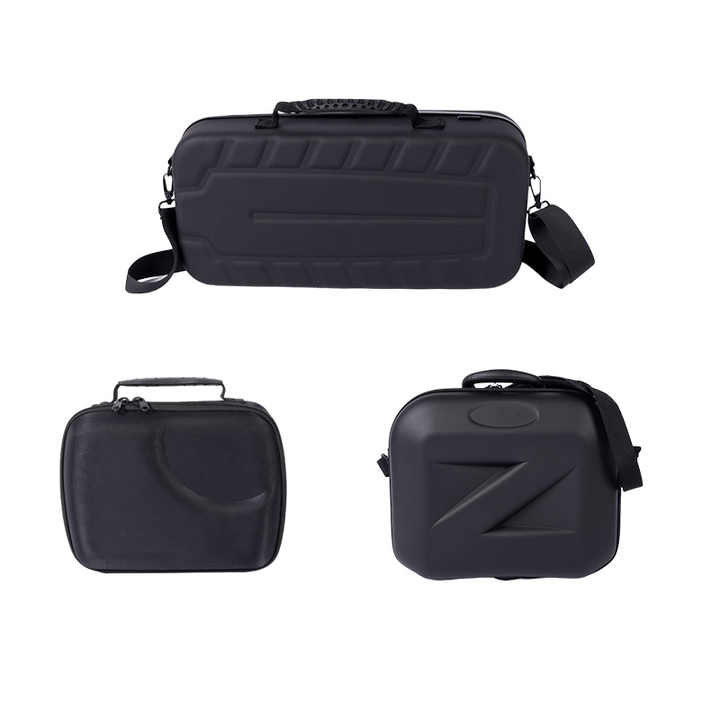
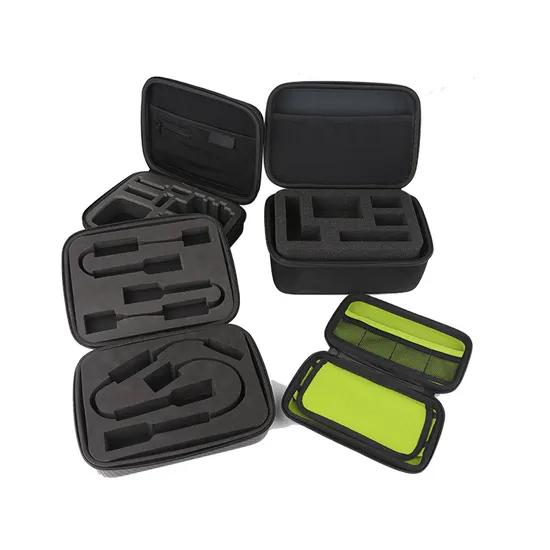
Cosmetic cases, equipment cases, jewelry cases, and other specialized luggage products often require customized internal structures to securely organize and protect their contents.
Because these products have different functions and users, their luggage design process cannot follow a single universal approach.
The Luggage Design Process
Although the development process varies between products and companies, luggage product development generally involves several important stages.
1. Concept and Styling Design
The first stage is usually the development of the product’s overall concept and appearance.
Designers consider factors such as:
- Target users
- Product positioning
- Intended application
- Market trends
- Brand identity
- Product size
- Functional requirements
Based on these considerations, designers create initial sketches and product renderings.
At this stage, creativity plays an important role. Designers may study natural forms, architectural elements, fashion trends, cultural references, or existing products to find inspiration.
However, design inspiration needs to be transformed into a form that can eventually become a functional product.
2. Shape and Appearance Development
Once the basic concept has been established, designers refine the product’s shape, proportions, surface details, colors, materials, and decorative elements.
The goal is not simply to make the product visually attractive. The appearance must also work together with the product’s structural requirements.
For example, curves, folds, seams, pockets, handles, wheels, zippers, and hardware all influence both appearance and functionality.
This is why designers need to understand how different design decisions affect the final product.
3. Structural Design
After the appearance has been established, the design moves toward structural development.
Structural design determines how different components fit together and how the product functions in real-world use.
Depending on the type of luggage, structural considerations may include:
- Overall dimensions
- Internal compartments
- Handles
- Shoulder straps
- Wheels
- Zippers
- Frames
- Reinforcement areas
- Seams
- Closures
- Component connections
A reasonable structure is essential because even a highly attractive concept may fail if the structure cannot support the intended function.
This leads to an important principle in luggage product design:
A good appearance creates the concept, but a good structure makes the concept possible.
The Role of Materials in Luggage Design
Material selection is another important part of the design process.
Different materials provide different combinations of appearance, weight, flexibility, durability, cost, and manufacturing characteristics.
Common luggage materials include:
- Polyester
- Nylon
- Canvas
- Leather
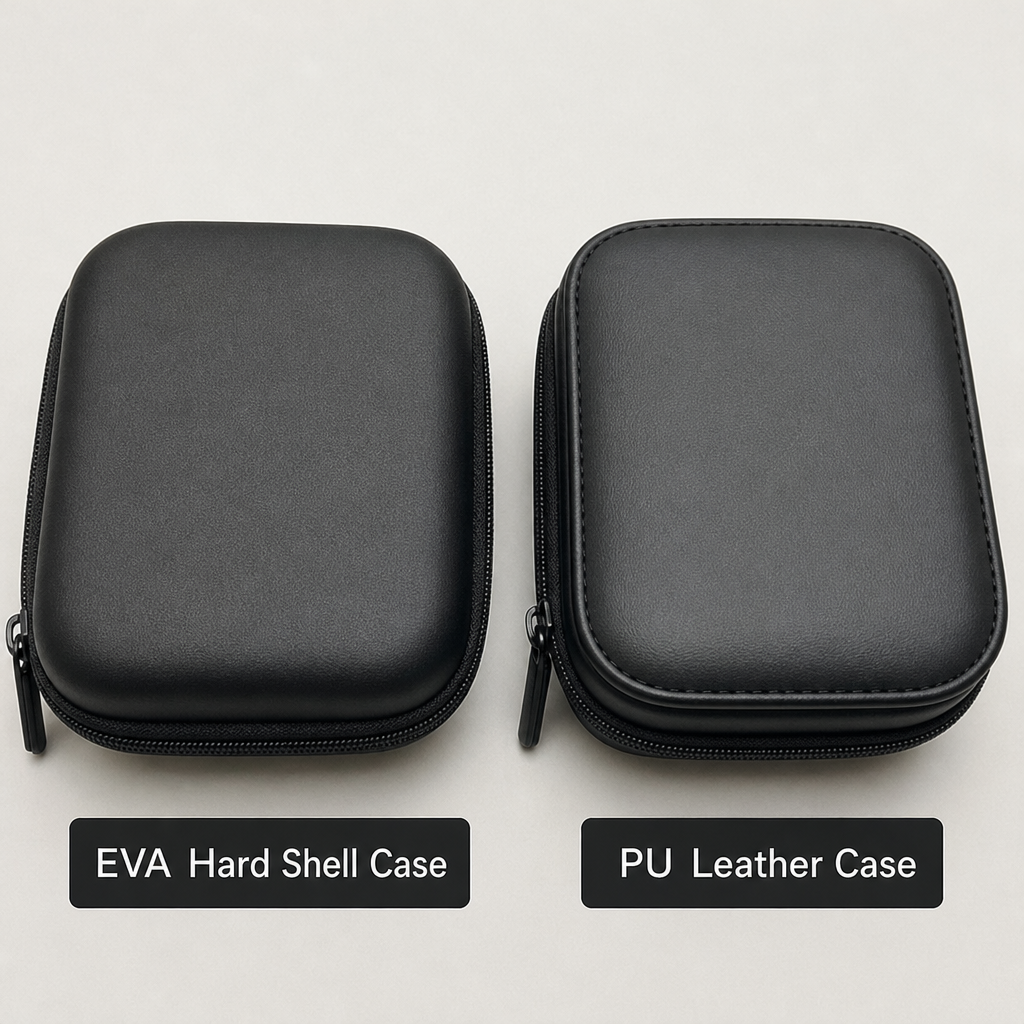
- Synthetic leather
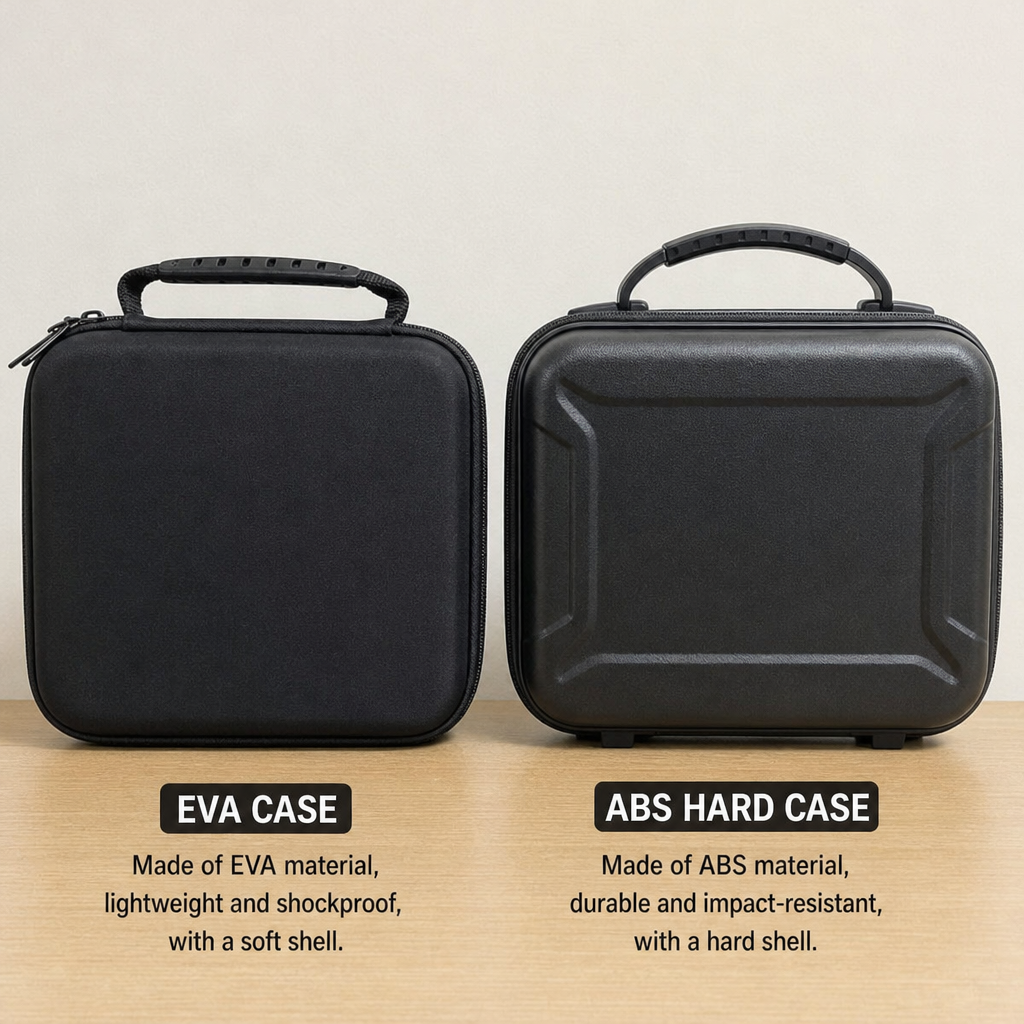
- ABS
- Polycarbonate
- Polypropylene
- Various composite materials
The choice of material should be based on the intended application rather than appearance alone.
For example, a travel suitcase may require impact resistance and low weight, while a fashion handbag may place greater emphasis on texture, appearance, and brand positioning.
Material selection also affects manufacturing processes. A design that works well with one material may require significant modifications when another material is used.
Therefore, material selection should ideally be considered during the early stages of custom luggage design, rather than after the design has already been finalized.
Artistic Design and Engineering Design
Luggage design combines both artistic and technical disciplines.
From an artistic perspective, designers need knowledge of:
- Sketching
- Color
- Pattern
- Proportion
- Two-dimensional composition
- Three-dimensional composition
- Visual styling
These skills help designers communicate the appearance and personality of a product.
From an engineering perspective, designers need to understand:
- Structural relationships
- Dimensions
- Tolerances
- Component construction
- Materials
- Manufacturing processes
- Assembly requirements
Engineering drawings and structural drawings need to accurately communicate the dimensions and construction of each component.
Therefore, successful luggage product development requires cooperation between industrial design and engineering design.
Why Manufacturing Knowledge Matters
One of the most important aspects of professional luggage design is understanding how the product will actually be manufactured.
A design may look excellent in a rendering or prototype but still encounter problems during mass production.
Common issues can include:
- Components that are difficult to assemble
- Excessively complicated structures
- Material limitations
- Difficult sewing operations
- Inconsistent dimensions
- Difficult-to-source components
- Excessive production costs
- Poor production efficiency
For this reason, designers should consider manufacturing feasibility from the beginning.
The objective is not to limit creativity, but to make sure that creative ideas can be transformed into stable, repeatable, and commercially viable products.
From Design Drawings to Physical Products
A complete luggage design process often includes several types of technical documents and physical development work.
These may include:
- Concept sketches
- Color product renderings
- Three-dimensional views
- Engineering drawings
- Component drawings
- Dimension specifications
- Material specifications
- Physical patterns or templates
- Prototypes
- Manufacturing process documents
Each stage serves a different purpose.
The rendering communicates the visual concept. Engineering drawings communicate dimensions and structure. Patterns and templates help define component shapes, while prototypes allow designers to evaluate the actual product.
This process creates a bridge between the designer’s original idea and the final manufactured product.
Prototyping and Design Validation
Creating a physical prototype is an important step in luggage product development.
A prototype allows designers and manufacturers to evaluate aspects that may not be obvious in digital drawings, including:
- Overall proportions
- User comfort
- Component positioning
- Structural strength
- Material behavior
- Assembly
- Appearance
- Functionality
The prototype stage can also reveal problems before mass production begins.
For example, a handle may look correctly positioned in a rendering but feel uncomfortable when used. A pocket may appear large enough on paper but may not provide sufficient practical capacity.
These real-world observations can help designers refine the product before moving into full-scale production.
Design for Manufacturing
A professional luggage design should consider manufacturing requirements from the beginning.
This concept is often referred to as Design for Manufacturing (DFM).
The purpose of DFM is to develop products that can be manufactured efficiently while maintaining the required quality and performance.
For luggage products, DFM considerations may include:
- Simplifying unnecessary structures
- Selecting suitable materials
- Reducing unnecessary components
- Improving assembly efficiency
- Controlling tolerances
- Optimizing component dimensions
- Reducing production difficulties
- Maintaining consistent quality
Good DFM does not necessarily make a product less attractive. Instead, it helps designers identify which design elements provide real value and which elements may create unnecessary manufacturing complexity.
The Relationship Between Design and Manufacturing
The relationship between design and manufacturing can be summarized simply:
Design defines what the product should be. Manufacturing determines how that product can become reality.
If the two are considered separately, problems may appear later in development.
For example, a designer may create a complex structure without considering production limitations. When the manufacturer receives the design, the product may require expensive tooling, difficult assembly, specialized materials, or complicated production procedures.
In contrast, when designers and manufacturers communicate during the early stages, potential problems can often be identified and solved before production begins.
This can help reduce development time, unnecessary revisions, and production costs.
Key Skills Required for Luggage Designers
A professional luggage designer needs more than creative ability.
Depending on the role, important skills may include:
- Product sketching
- 3D visualization
- Color and material development
- Structural design
- Engineering drawing
- Pattern development
- Prototype development
- Material knowledge
- Manufacturing process knowledge
- Product testing
- Design communication
A designer who understands both aesthetics and manufacturing can make more practical design decisions.
This is particularly important for brands developing custom luggage because customized products often require closer coordination between design concepts, components, materials, and manufacturing capabilities.
Conclusion
Modern luggage design is a multidisciplinary process that combines creativity, functionality, structure, materials, engineering, and manufacturing technology.
A successful luggage product should not only have an attractive appearance. It should also provide practical functionality, reasonable structural design, suitable materials, reliable performance, and efficient manufacturability.
From the initial concept and styling design to structural development, material selection, prototyping, and production, every stage can influence the final product.
Ultimately, the goal of professional luggage design is to transform an idea into a real product that is visually appealing, functional, durable, manufacturable, and suitable for its intended users.
For luggage brands and product developers, understanding the connection between design and manufacturing can help create products that are not only attractive in concept but also reliable in real-world applications.