Choosing between an EVA case and a PU leather case is a trade-off between protection, style, price, and daily use. EVA is better when you need shape, impact resistance, and neat storage. PU leather is better when you want a softer look and a more polished feel. This guide compares eva vs pu so you can choose the right case for your product, brand, and buyer.
Which case material is better for your product?
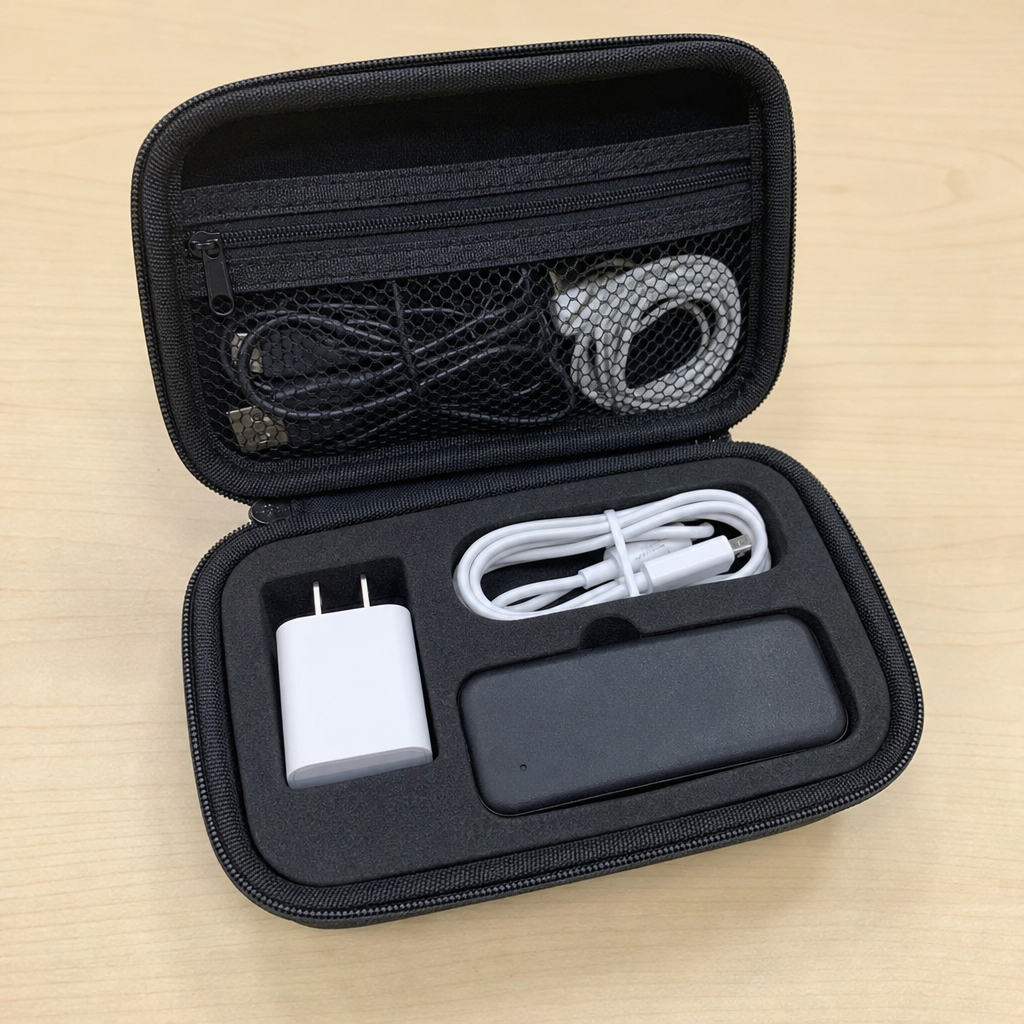
The better material depends on the job the case must do. If your product is fragile, technical, travel-ready, or sold with accessories, an EVA case is often the safer pick. It can form a semi-rigid shell with inner slots and can be made for a custom fit.
If your product is about style, personal use, gifting, or office use, PU leather can be a better fit. It gives a smooth surface, a soft hand feel, and a more upscale look without using real leather.
For many brands, the choice is not just strong vs stylish. Both materials can look good when they are well made. The key is to match the case to the buyer’s main need: protection, ease, shelf appeal, daily carry, or value.
Quick decision summary
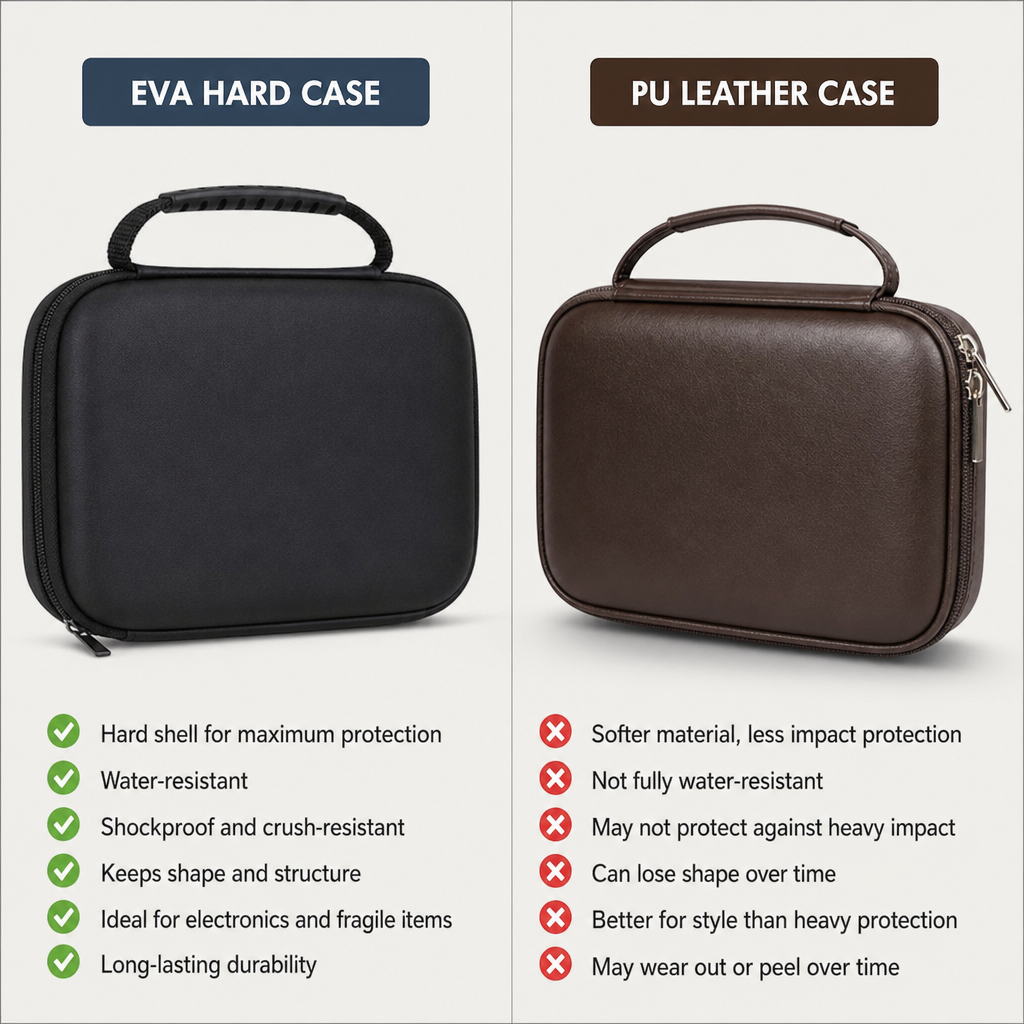
Use this simple comparison as a starting point before you review the details.
| Decision factor | EVA case | PU leather case |
|---|---|---|
| Best for | Electronics, tools, medical kits, eyewear, travel sets | Phone cases, notebooks, gift sets, beauty items, executive accessories |
| Main strength | Structured protection and shape retention | Premium look and softtouch |
| Customer impression | Practical, durable, organized | Stylish, elegant, polished |
| Design flexibility | Molded shells, inserts, zipper formats, inner pockets | Surface textures, stitching, folds, magnetic closures |
| Protection style | Semi-rigid shell with controlled space | Surface protection with flexible or padded builds |
| Branding feel | Functional and product-focused | Fashion, lifestyle, or professional |
| Common concern | Can feel bulky if overbuilt | PU leather quality varies by grade and build |
| Better choice when | The item needs secure storage or travel protection | The case is part of the product‘s visual appeal |
The short answer: choose EVA when the case must protect and organize. Choose PU leather when the case must raise appearance and feel.
EVA cases deliver structure and practical protection
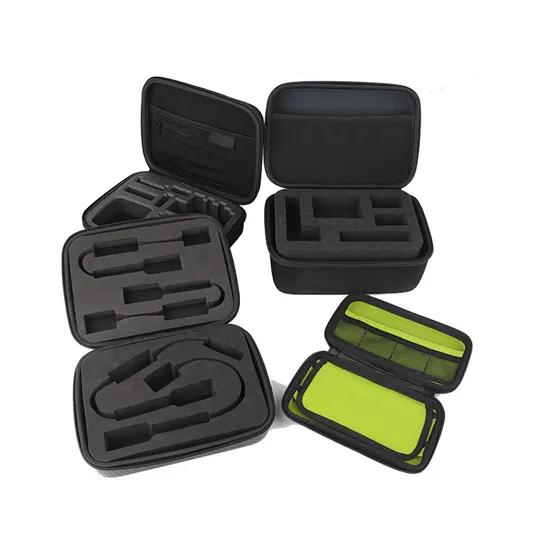
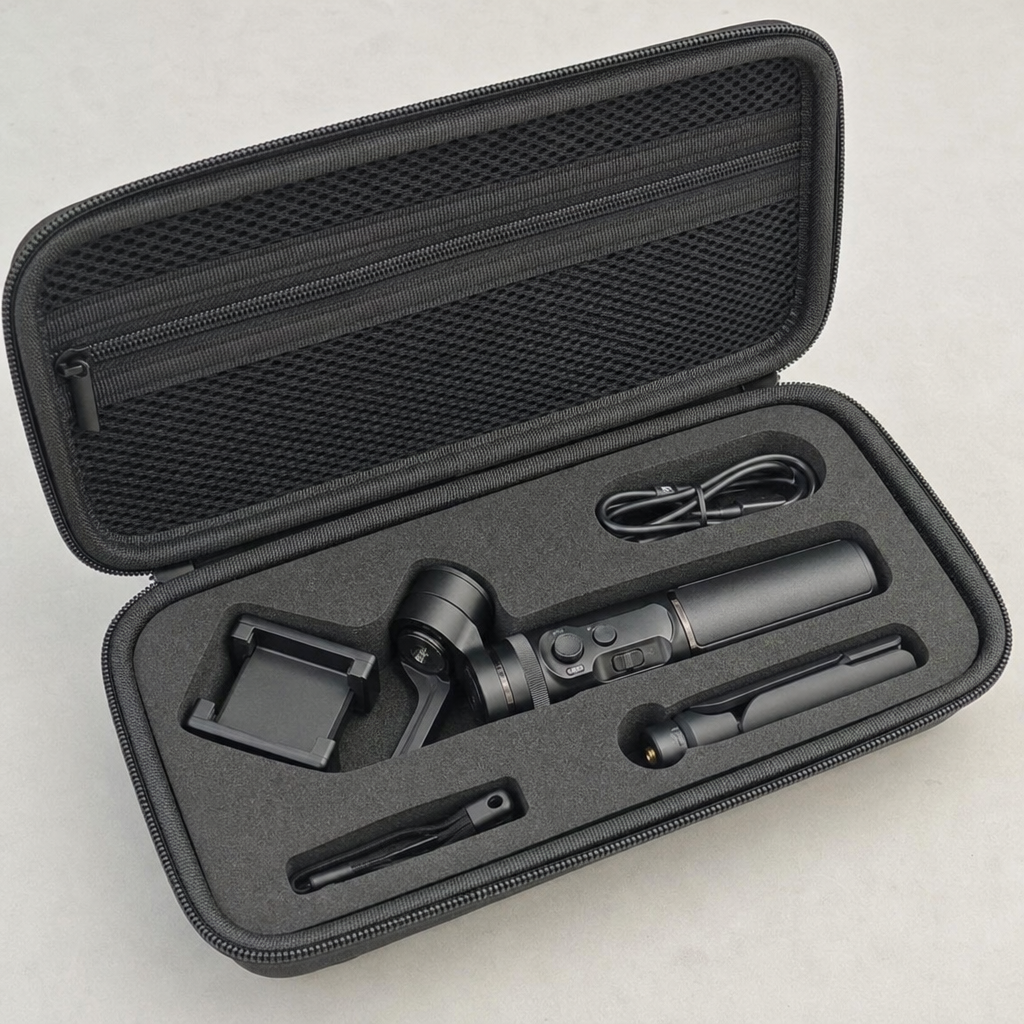
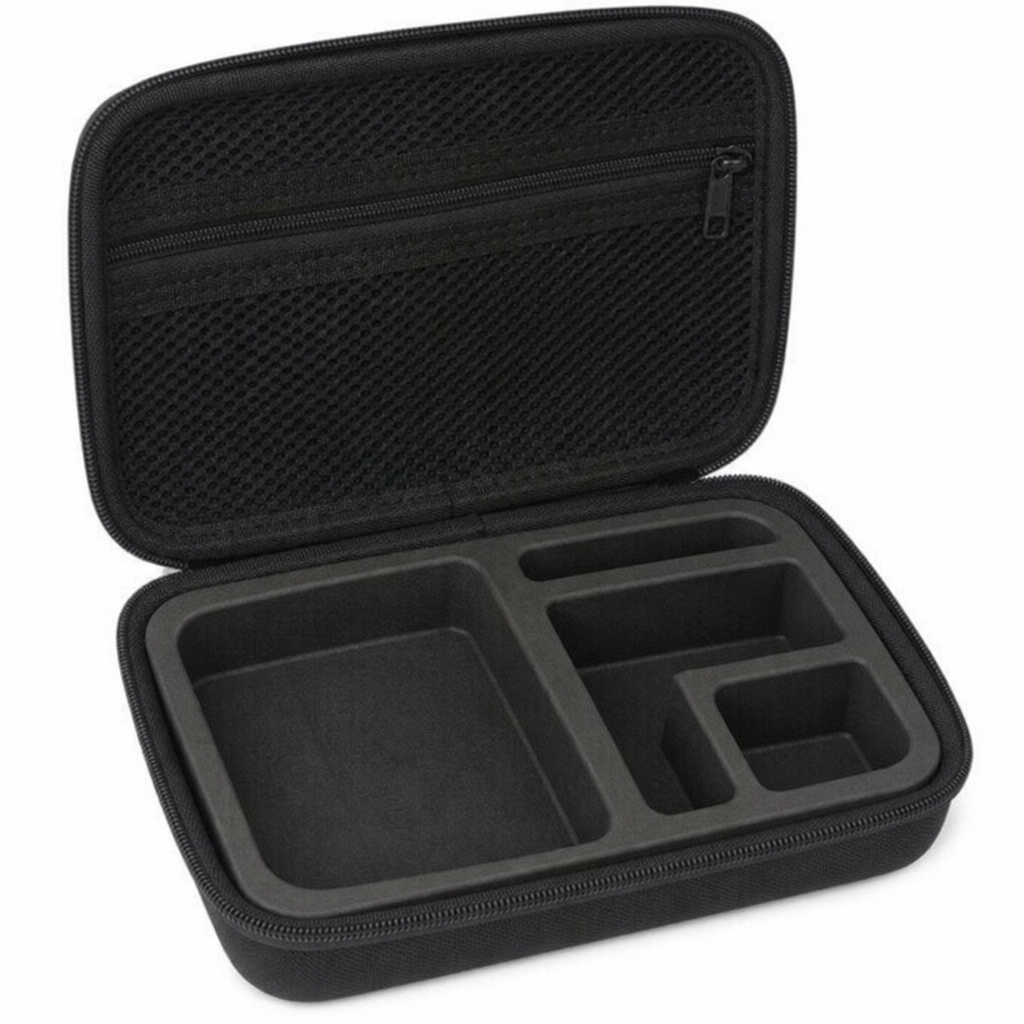
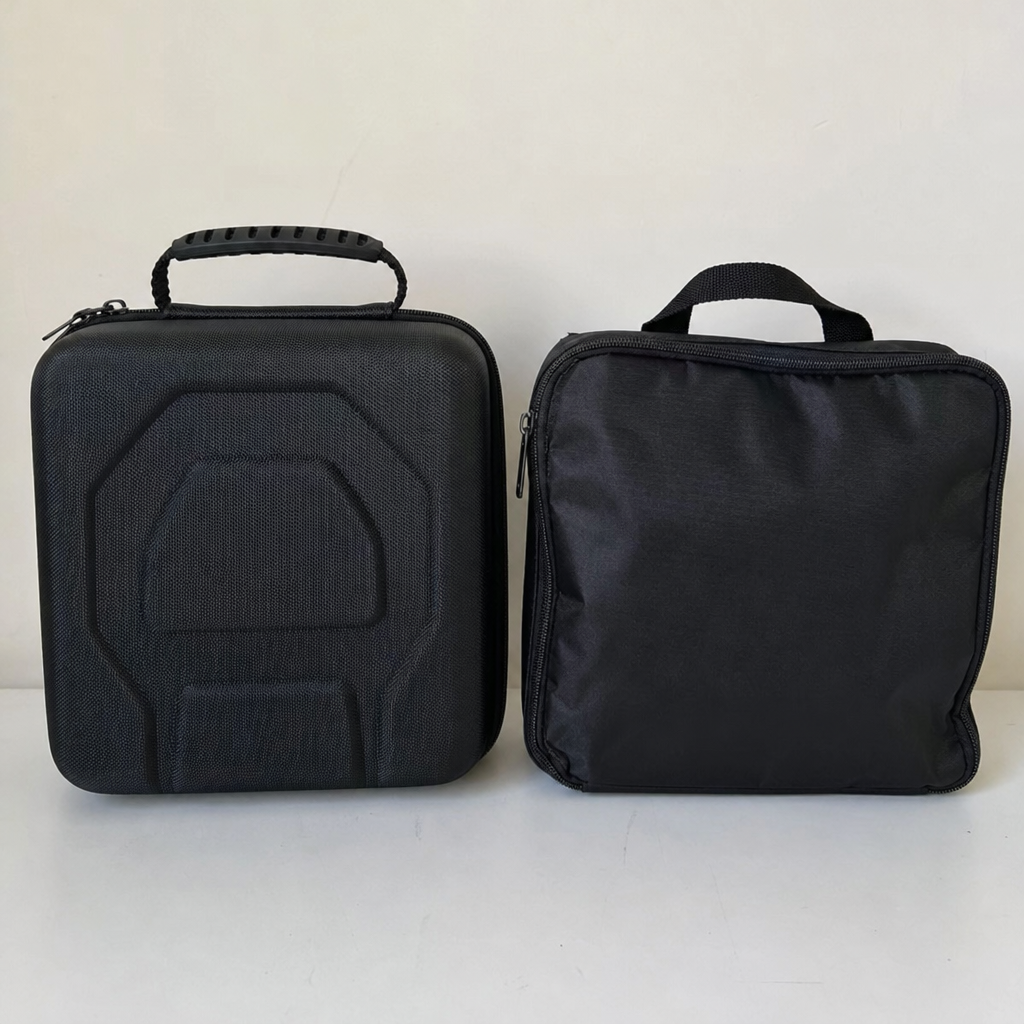
EVA stands for ethylene-vinyl acetate. It is common in molded cases because it holds its shape and stays light. In product cases, EVA is usually built as a semi-rigid shell with fabric, foam, mesh, elastic straps, zippers, or custom inserts.
The main strength of EVA is control. A good EVA case keeps the product from moving, holds accessories in place, and makes unboxing feel neat. That helps with cables, adapters, spare parts, and multi-piece kits.
EVA is also good for repeat use. Buyers often keep the case because it solves a real problem: safe carry. That adds value for products that travel, go in a bag, or need clean storage between uses.
PU leather cases emphasize finish, comfort, and perceived value
PU leather, or synthetic leather, is made to look and feel like leather. It is often used for folio covers, wallet-style phone cases, tablet covers, notebooks, beauty sets, watch boxes, card holders, and gift-ready packaging.
The strongest PU leather advantages are appearance, texture, and warm feel. It can be stitched, embossed, folded, wrapped, printed, or paired with magnetic closures and linings. That is why many of the best phone cases use PU leather or PU leather-style finishes.
PU leather quality varies, so the final result depends on the grade, backing, thickness, finish, stitching, edge treatment, and the frame under it. A well-made case can look refined. A poor one can crease, peel, or feel thin too soon.
Which option protects better during travel and storage?
An EVA case usually protects better when the product needs a firm shell, a set interior, and support against pressure in bags or boxes. PU leather can protect against scratches and daily handling, but it depends more on the board, padding, frame, or holder under the surface. If protection is the main goal, EVA gives more predictable results.
| Protection need | EVA case performance | PU leather case performance |
|---|---|---|
| Keeping product shape protected | Strong, because the shell can be molded around the item | Moderate to strong, depending on inner build |
| Preventing accessories from moving | Strong when inserts, mesh, or straps are added | Moderate when pockets or elastic sections are used |
| Bag and travel use | Well suited for items carried with other objects | Suitable for daily carry when bulk is limited |
| Scratch protection | Good with proper lining | Good, especially for phones, notebooks, and surfaces |
| Drop or pressure support | Better when designed as a semi-rigid case | Highly design-dependent |
| Long-term storage | Good for keeping kits complete and organized | Good for presentation and light protection |
If your product is fragile, has many parts, or might be in a bag, EVA is safer. If the product is handled often, displayed often, or carried as a personal accessory, PU leather may protect enough while giving a more attractive user experience.
Design and branding differences shape customer perception
A case is not only a container. It tells the buyer what kind of product they bought. EVA signals utility, readiness, and reliability. PU leather signals taste, finish, and lifestyle value. Neither is always better, but one may fit your audience more clearly.
For a technical product, EVA can make the item feel complete and well organized. The molded form says the product has a place and that the brand planned for storage after purchase.
For a lifestyle product, PU leather can make the same item feel more personal. Stitching, grain texture, color choice, and slim form can turn the case into part of the product‘s identity. Many top phone cases use PU leather or similar finishes because it’s what customers see and touch daily.
Which material gives a more premium look?
PU leather often looks more premium at first glance, especially in fashion, mobile accessories, beauty, stationery, and gifting. Its surface can look warm, refined, and familiar to customers who link leather-like finishes with quality. EVA can still feel premium, but it usually does so through fit, precision, and function.
To choose the right premium style, think about the cue you want the case to send:
- Choose EVA for a premium technical cue. This works when customers value protection, order, and confidence. A molded EVA case with a clean zipper, fitted insert, and neat branding can feel engineered and complete.
- Choose PU leather for a premium lifestyle cue. This works when customers value appearance, personal style, and presentation. A PU leather case with good stitching, smooth edges, and a refined texture can feel giftable and polished.
- Choose a hybrid design when both cues matter. Some products benefit from a structured base with a more decorative outer finish. This can balance protection and appearance, but it may add thickness, complexity, and cost.
Premium is not only about material. Fit, finish, alignment, hardware, logo placement, interior lining, and closure quality all shape the final impression.
Cost, production, and custom fit considerations
Without exact product details, it is not fair to say that one material is always cheaper. Case cost depends on size, order count, tooling, inserts, lining, closures, labor, surface finish, and quality level.
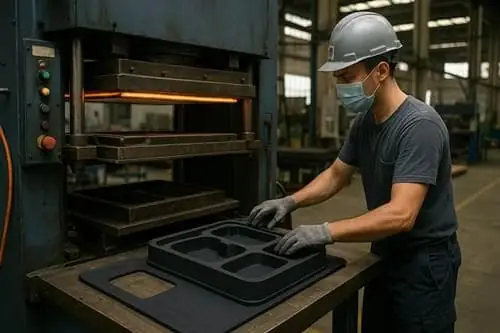
EVA cases may need mold work when you want a custom shell shape. That adds setup work, but it can also give a better fit. Costs can also change with zipper quality, molded density, fabric cover, foam, and added mesh pockets or elastic straps.
PU leather cases rely more on cutting, wrapping, stitching, edge finishing, bonding, and hardware. Because the surface is so visible, small flaws can change how the whole product feels. If you choose PU leather, review samples in real light and check the feel in hand, not just photos.
A simple sourcing checklist can help:
- Confirm the product‘s weak points. Decide if it needs rigid support, scratch protection, organized storage, or presentation value.
- Request samples with the real product inside. Empty cases can feel drastically different from finished product sets.
- Test opening and closing. Zippers, magnets, snaps, and folds should feel natural, not forced.
- Check edge and corner finishing. These areas often reveal the real build quality.
- Compare branding methods. Debossing, printing, woven labels, metal badges, and zipper pulls create different impressions.
- Review packed size and weight. A case that looks great may still be wrong if it makes shipping, storage, or daily carry hard.
User experience after purchase matters most
The right case is the one your customer will actually use. An EVA case may win on usefulness if the buyer needs to carry chargers, tools, accessories, or sensitive items in one protected place. PU leather may win on day-to-day satisfaction if the buyer wants a case that looks good on a desk, in a handbag, or during meetings.
Think about the first week after purchase. Will the buyer keep the case or toss it? If the case is only for delivery and shelf display, the design needs are different from a case meant for daily carry. For reusable cases, comfort, grip, opening angle, access, and cleaning matter more.
The best choice also depends on resale, gifting, retail display, or online unboxing. PU leather can create a stronger first visual impression for gift items. EVA can create more confidence for functional items where buyers worry about damage or missing parts.
Category-based recommendations
Different product categories lean toward different case materials. These are not strict rules, but they can help narrow the choice.
| Product category | Better starting point | Why it fits |
|---|---|---|
| Earbuds, headphones, cables, tech kits | EVA case | Keeps accessories together and supports travel use |
| Small tools or instrument-style products | EVA case | Creates organized compartments and a protective shell |
| Eyewear and delicate accessories | EVA case | Helps maintain shape and reduce pressure in bags |
| Phone cases and wallet covers | PU leather case | Offers slim style, grip, and daily visual appeal |
| Gift sets and executive items | PU leather case | Creates a polished, presentation-focused impression |
| Beauty accessories and personal care sets | Depends on positioning | EVA suits travel kits; PU leather suits premium display |
| Stationery, journals, and planners | PU leather case | Matches tactile, lifestyle use |
| Mixed accessory bundles | EVA case | Easier to organize multiple pieces in one case |
If your product sits between categories, prioritize the buyer’s biggest worry. If they worry about damage, choose structure. If they worry about appearance, choose finish.
EVA case advantages and trade-offs
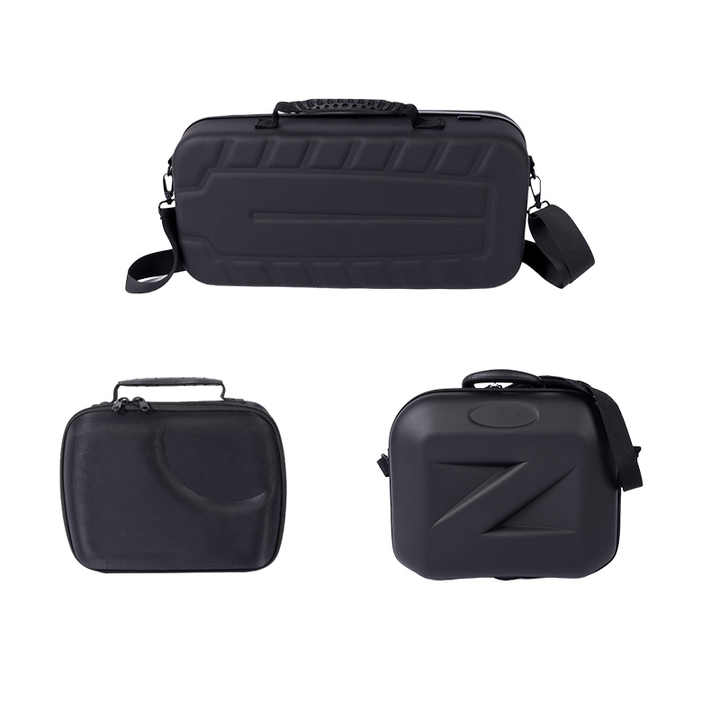
EVA cases are useful when your product needs a protective home. They can be designed with a molded shape, inner insert, mesh pocket, zipper, handle, or fabric wrap. That makes them a good fit for products that must stay together as a kit.
Key advantages include:
- Structured protection: The case can help shield the product from pressure and light impact during storage or travel.
- Organized interiors: Inserts, straps, and pockets make it easier to store accessories neatly.
- Repeat-use value: Buyers often keep EVA cases because they are practical.
- Custom shapes: A molded design can match the product closely and improve the unboxing experience.
The trade-off is that EVA can look more plain. If the design is too bulky or generic, it may not support a premium lifestyle brand. Good color choices, fabric texture, zipper choice, and interior layout help avoid that problem.
PU leather advantages and trade-offs
The major PU leather advantages are visual appeal, tactile comfort, and flexibility for fashion-led design. PU leather can support elegant stitching, embossed logos, folio formats, card slots, magnetic closures, and slim profiles. These details can make the case feel more personal and giftable.
Key advantages include:
- Premium surface appearance: A leather-like finish can quickly raise perceived value.
- Comfortable handling: Soft-touch materials can feel good in daily use.
- Strong style range: PU leather can suit classic, modern, professional, or colorful designs.
- Good for visible accessories: It works well when the buyer sees and handles the case often.
The main trade-off is consistency. PU leather quality varies, so material choice and build details matter. If the surface feels thin, the edges are rough, or the stitching is uneven, the case can hurt the product‘s perceived quality instead of improving it.
Final recommendation
Choose an EVA case if your product needs dependable structure, molded protection, organized storage, or travel-ready usefulness. It is usually the better direction for electronics, kits, small tools, accessories, and multi-part products.
Choose a PU leather case if your product depends on appearance, touch, gifting, daily carry, or lifestyle position. It is often the better direction for phone cases, journals, beauty items, executive accessories, and products that stay visible during use.
If you are still weighing eva vs pu, start with one question: what must the case prove to the buyer first? If it must prove protection, choose EVA. If it must prove style and value, choose PU leather. The strongest case is the one that fits real life, not just shipping.
Q&A
Question: Is EVA always more protective than PU leather?
Short answer: No, but EVA is usually the more predictable choice when protection is the main goal. Its semi-rigid shell, molded shape, and room for inserts, straps, mesh pockets, and foam make it better for fragile products, travel kits, and items with multiple accessories. PU leather can still protect against scratches and daily handling, but its performance depends heavily on the board, padding, frame, or holder under the surface.
Question: Which case material is better for a premium product?
Short answer: It depends on the premium message the brand wants to send. Faux leather looks fancy with a soft, polished surface, ideal for gifts, fashion, beauty, stationery, and executive items. EVA feels high-quality with precise structure, good fit, neat organization, and technical confidence, not softness or elegance.
Question: When should a brand consider a hybrid case design?
Short answer: A hybrid design makes sense when the product needs both protection and a refined look. For example, a structured base can protect and organize the product, while a more decorative outer finish can improve presentation. This can work well for products between technical and lifestyle categories, but it may also add thickness, complexity, and cost.
Question: What should be checked before approving a PU leather case sample?
Short answer: Check the material grade, surface finish, backing, thickness, stitching, edge treatment, corners, glue lines, closures, and how the case feels in hand. PU leather quality varies widely, so review the sample in real light and with the actual product inside. A case that looks good in photos may still feel thin, crease easily, or lower perceived value if the finish is poor.
Question: What is the simplest way to decide between EVA and PU leather?
Short answer: Ask what the case must prove to the buyer first. If it must prove protection, structure, organization, and travel readiness, EVA is usually the better option. If it must prove style, touch, gift appeal, and perceived value, PU leather is usually the better option.