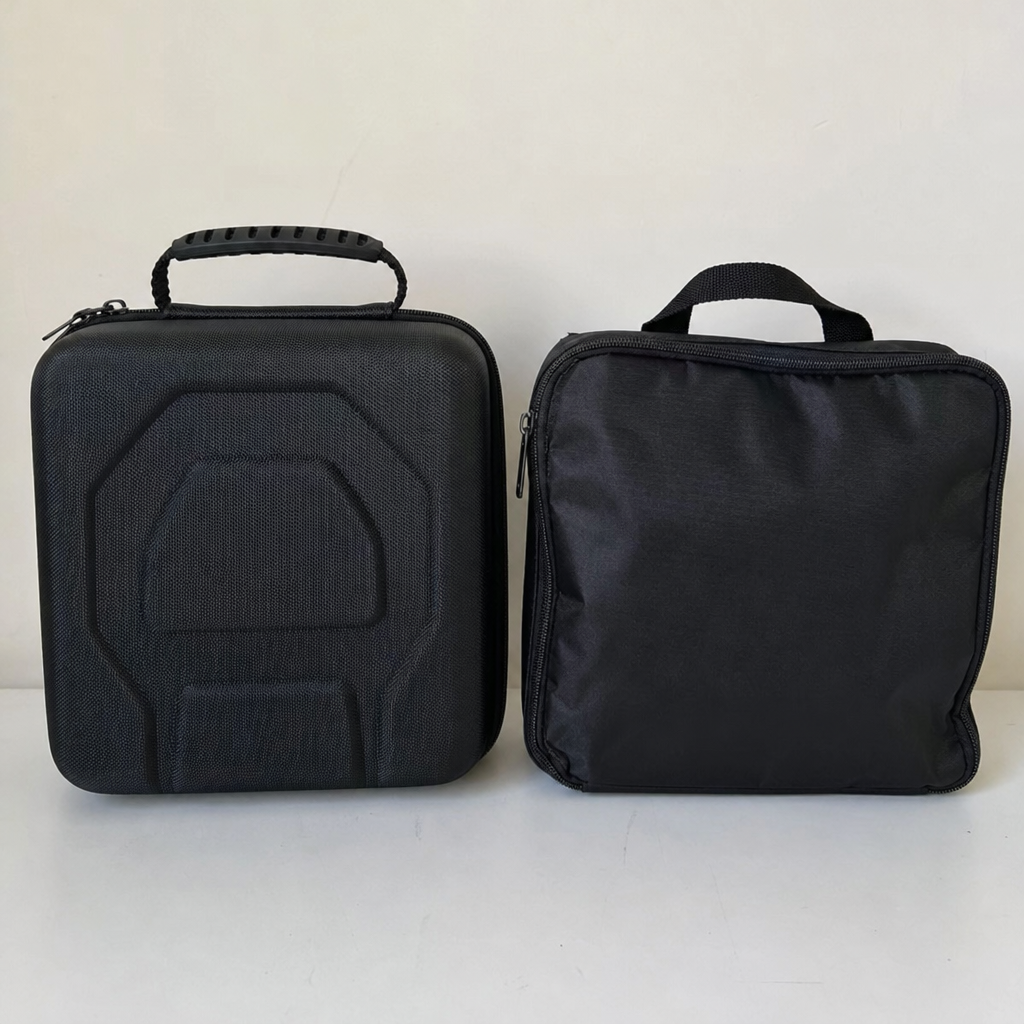
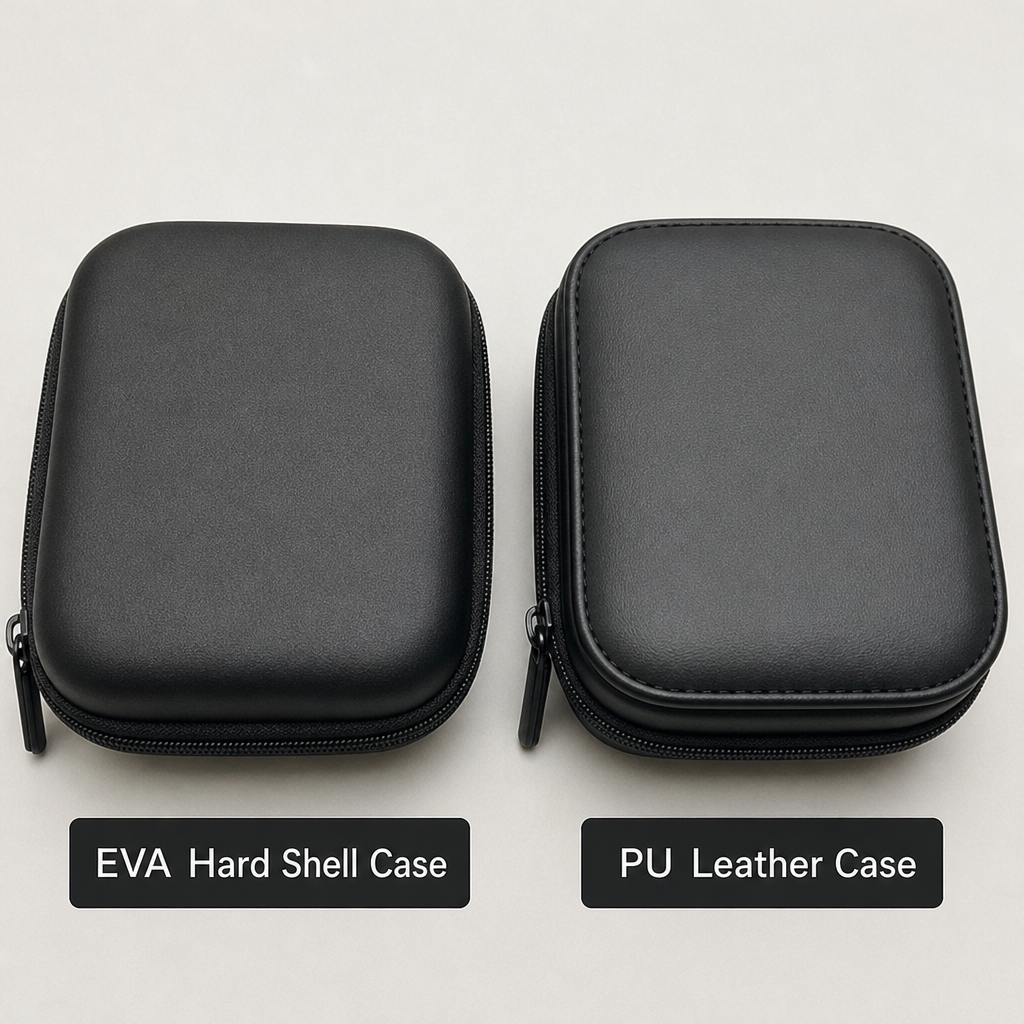
EVA Case vs PU Leather Case Which Is Better for Your Product
Choosing between an EVA case and a PU leather case is really a choice between protection, presentation, feel, and long-term use. EVA is often selected when a product needs structure, shock resistance, and travel-ready durability, while PU leather is commonly chosen when the case needs a soft, refined, lifestyle-oriented appearance. This guide breaks down EVA Case vs. PU Leather Case: Which Is Better for Your Product? in practical terms so you can match the case material to your product, customer expectations, and budget priorities.
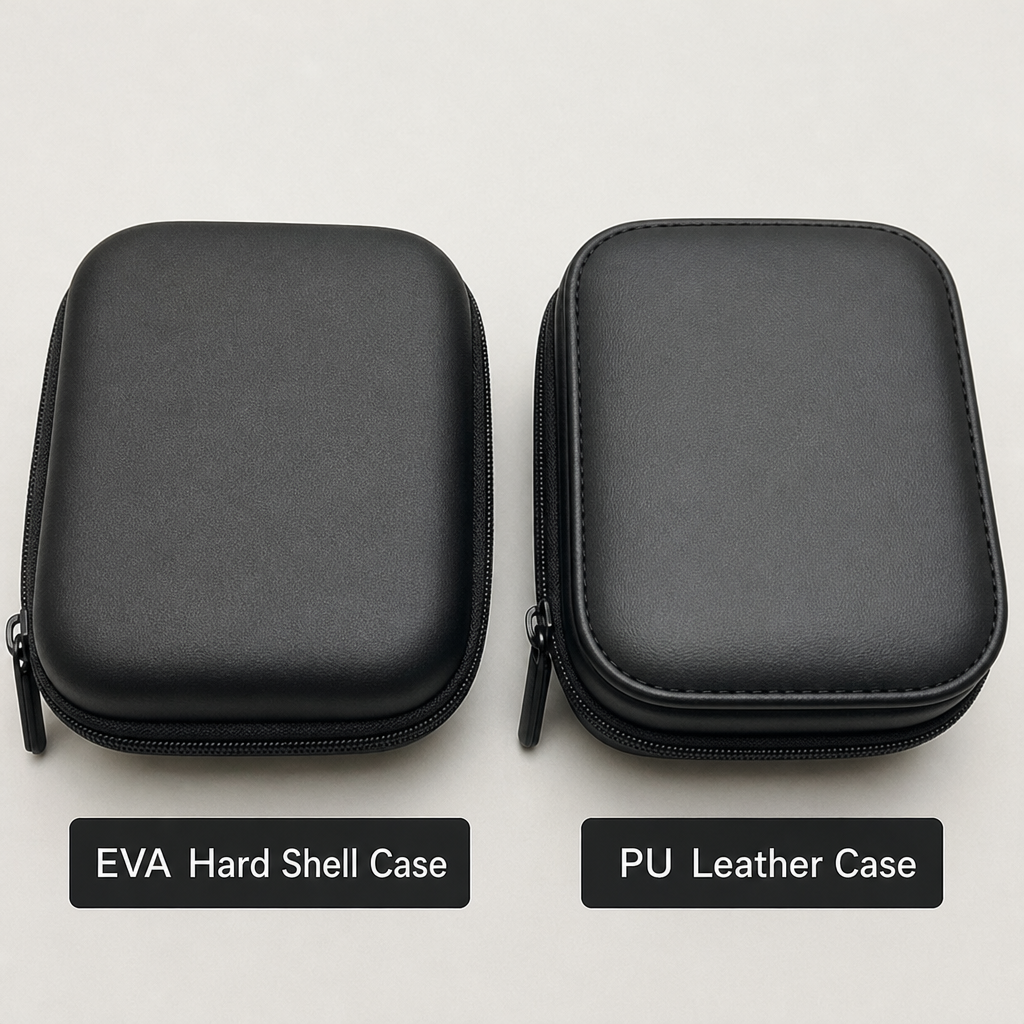
Which case material is better for your product?
The better material is the one that supports how your customer will use, carry, store, and perceive the product. EVA is usually the stronger choice for electronics, tools, medical devices, eyewear, instruments, and accessories that need a shaped protective shell. PU leather is often better for products where visual appeal, a premium hand feel, and a sleek gift-ready presentation matter more than impact resistance.
That means there is no universal winner in the eva vs pu decision. A rugged case can feel excessive for a lightweight notebook or beauty set, while a soft leather-look pouch may not give enough protection for a sensitive device. The smartest choice starts with the product’s risk points: scratches, drops, pressure, dust, moisture exposure, storage habits, and the kind of unboxing experience your brand wants to create.
EVA cases deliver structure and dependable protection
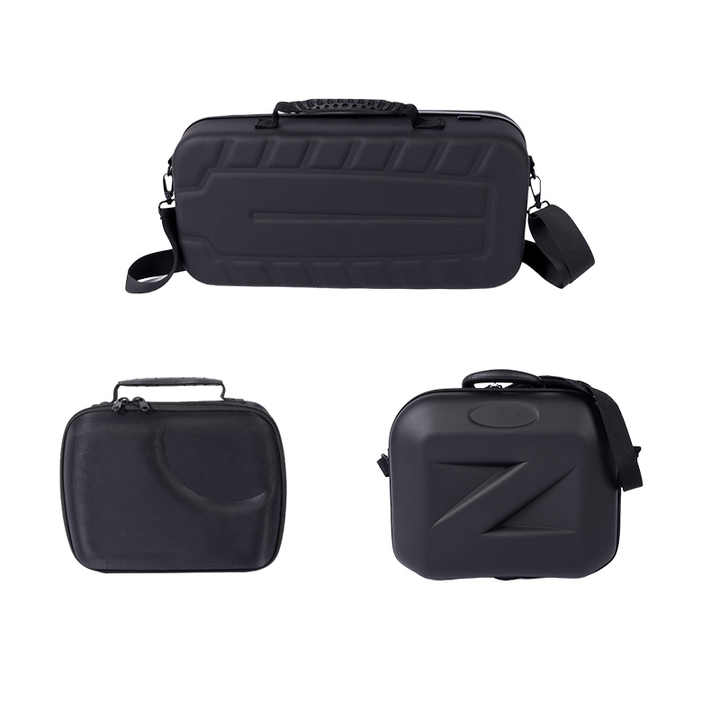
EVA stands for ethylene-vinyl acetate, a lightweight foam-like polymer that can be molded into firm, semi-rigid shapes. In case manufacturing, it is commonly used to create hard shell or semi-hard shell cases with a defined form. That structure is one of its biggest advantages because the case can be designed around the product rather than simply wrapped around it.
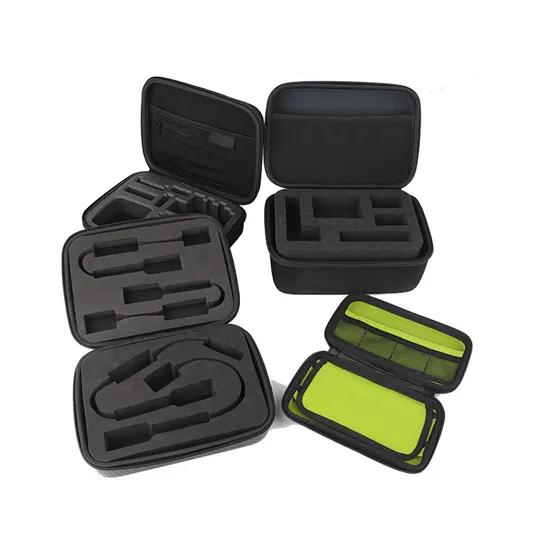
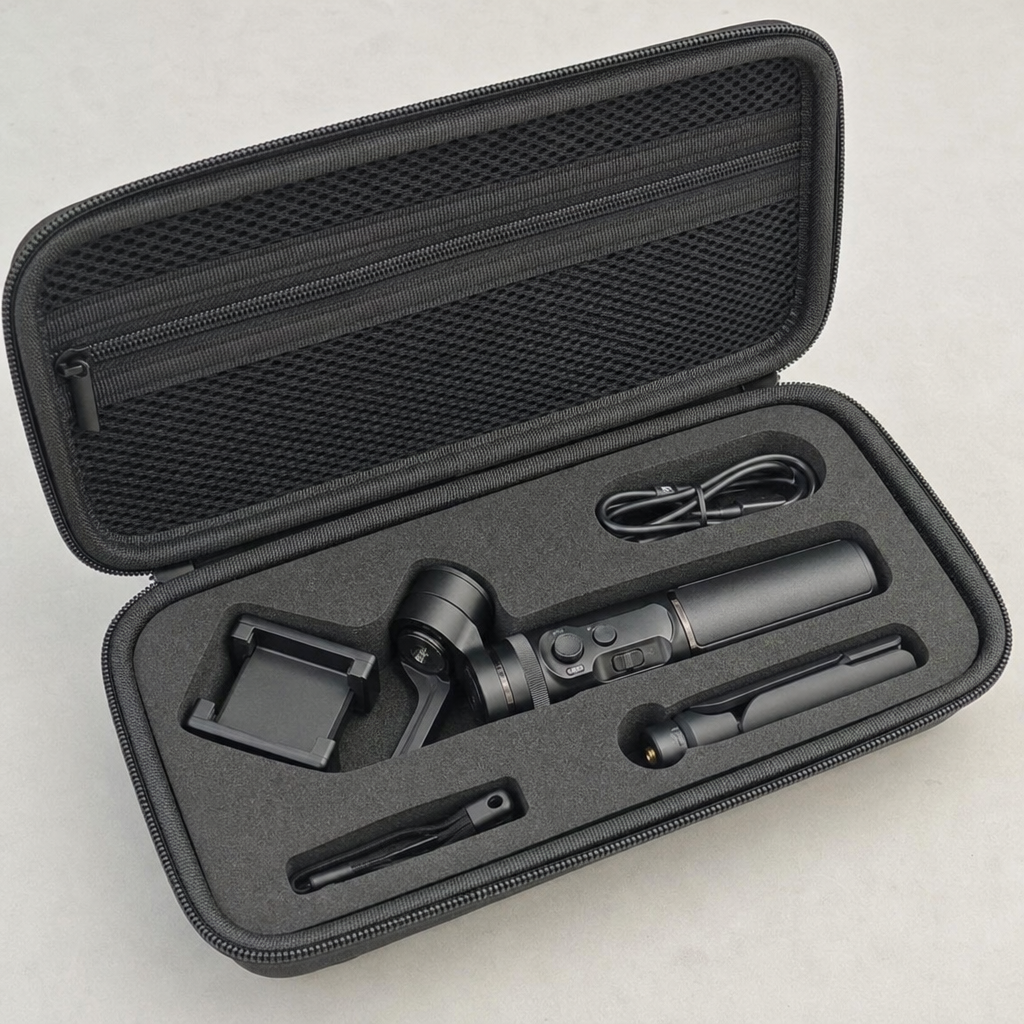
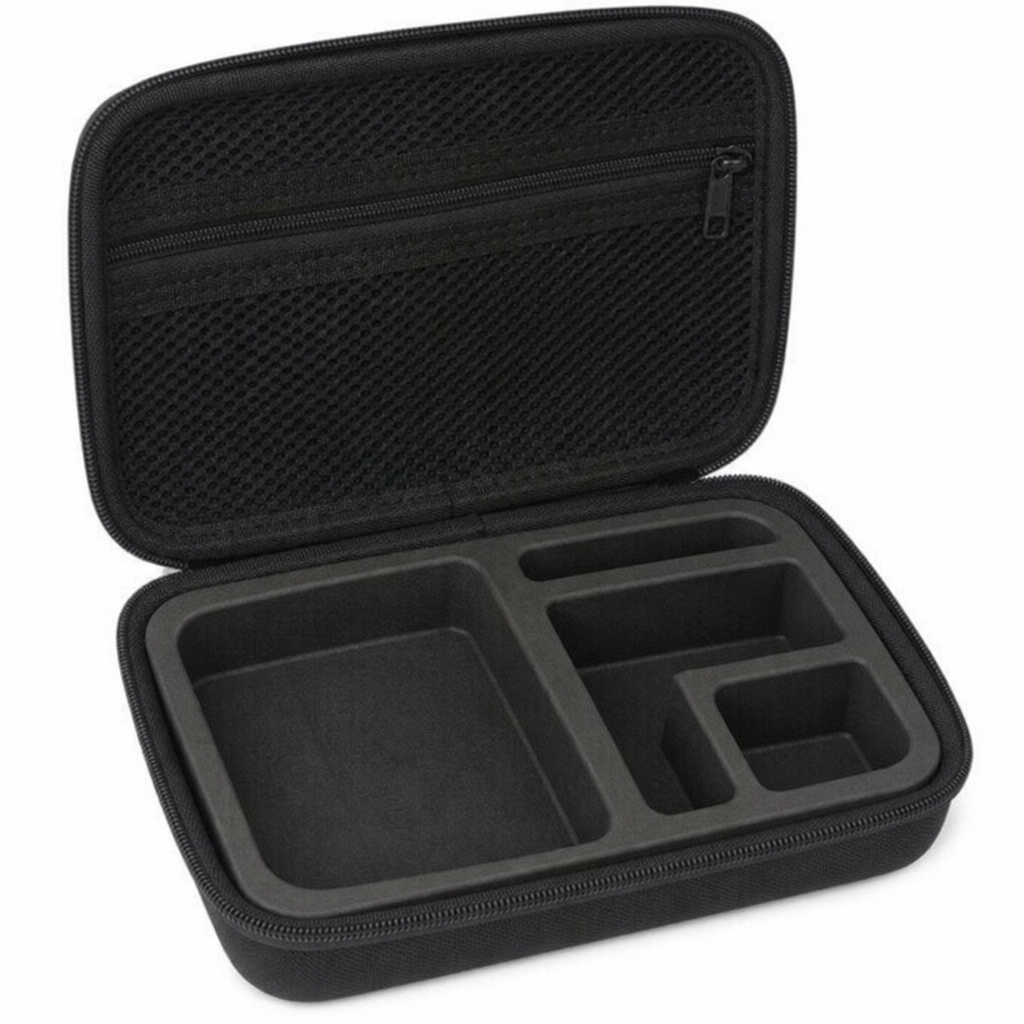
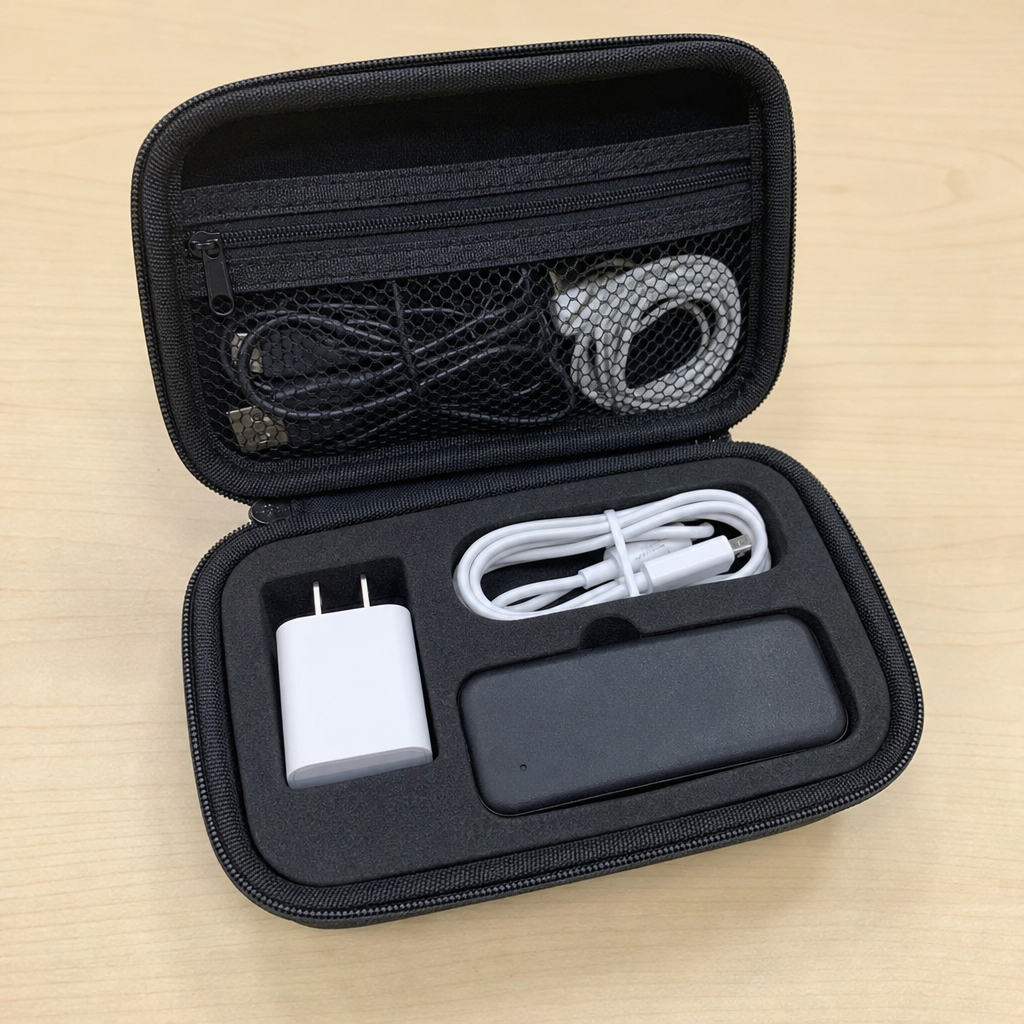
For brands that sell items customers carry daily, EVA can help reduce the chance of damage during transport. A molded EVA case can include internal mesh pockets, elastic straps, zipper compartments, foam inserts, or product-specific cavities. These features make it useful when the case needs to hold more than one item in place, such as cables, adapters, tools, lenses, small devices, or personal care accessories.
EVA durability is also a major reason buyers choose this material. A well-designed EVA case resists crushing better than many soft pouches, keeps its shape during regular handling, and gives products a more secure storage environment. It is not indestructible, and quality still depends on shell thickness, zipper strength, fabric covering, stitching, and interior design, but EVA generally performs well when protection is a central requirement.
PU leather creates a polished and premium impression
PU leather, short for polyurethane leather, is a synthetic material made to resemble genuine leather. It is widely used for cases, covers, pouches, organizers, and presentation packaging because it can look elegant without using animal leather. If your product belongs in fashion, beauty, corporate gifting, stationery, personal accessories, or premium consumer goods, PU leather can help create a refined first impression.
A fair pu leather review should separate appearance from protection. PU leather can look smooth, modern, and upscale, especially when paired with clean stitching, embossing, magnetic closures, soft lining, or minimalist packaging. However, it is usually more flexible than EVA and does not provide the same rigid structure unless it is built over a board, frame, or molded inner layer.
PU leather quality varies widely. A higher-quality PU leather case may have a better surface texture, more consistent color, neater edge finishing, stronger backing, and improved resistance to peeling or cracking. A lower-quality version can look attractive at first but wear quickly at fold points, corners, and closure areas. For this reason, product teams should evaluate samples carefully rather than judging PU leather by photos alone.
Key differences between EVA and PU at a glance
When comparing the two materials, it helps to look beyond surface style. The right case should protect the product, fit the brand, and satisfy the customer after months of use—not just during the first unboxing.
| Factor | EVA case | PU leather case |
|---|---|---|
| Protection | Better for impact resistance and shape retention | Better for scratch protection and light storage |
| Appearance | Sporty, technical, practical, protective | Sleek, elegant, professional, lifestyle-focused |
| Structure | Semi-rigid or hard shell | Usually flexible unless reinforced |
| Custom fit | Strong option for molded interiors | Good for sleeves, folios, pouches, and covers |
| Weight | Lightweight but can feel bulkier | Slimmer and often more compact |
| Typical use | Electronics, tools, eyewear, medical kits, travel accessories | Gifts, notebooks, beauty items, cards, premium packaging |
| Branding | Works well with printed logos, patches, zipper pulls, molded shapes | Works well with embossing, debossing, foil effects, stitching details |
| Main concern | Can look too utilitarian for luxury products | Can wear at edges or folds if quality is low |
This comparison shows why EVA often wins on function while PU leather often wins on style. The best choice depends on which of those qualities matters most to your product positioning.
What should you consider before choosing?
Before choosing, define the product’s protection needs, customer expectations, and retail context. A case for a high-value electronic device should be judged differently from a case for a promotional notebook or cosmetic brush set. The more clearly you understand the product’s real-world use, the easier it becomes to choose the right material.
Start with these practical questions:
- How fragile is the product? If it can crack, dent, bend, or lose function after pressure or impact, EVA is usually safer.
- How will customers carry it? Products tossed into backpacks, luggage, glove compartments, or tool bags need stronger structure than products stored on a desk.
- What does the buyer expect to feel? A technical buyer may appreciate a protective shell, while a gift buyer may prefer a soft-touch leather-look finish.
- Does the case need internal organization? EVA is especially useful when inserts, straps, molded cavities, or accessory pockets are needed.
- Is the case part of the brand experience? PU leather can communicate elegance, simplicity, and polish when appearance is a key selling point.
- Will the product be used daily? Daily-use cases need close attention to zippers, corners, seams, closures, and surface wear.
These questions prevent the common mistake of choosing a case based only on how it looks in a product image. A case is part of the customer experience every time the product is stored, opened, packed, or displayed.
EVA advantages for protection-focused products
EVA performs best when the case must create a protective zone around the product. Because it can be molded, the outer shell and inner layout can work together to limit movement. This is especially useful for items with screens, lenses, precision parts, cords, or small components that need to stay organized.
Another advantage is design consistency. EVA cases can be shaped into compact rectangles, rounded travel cases, clamshell designs, custom silhouettes, and product-specific forms. This gives brands room to create a case that feels purpose-built instead of generic.
EVA can also support a practical user experience. A customer opening an EVA case can immediately see where each item belongs. That improves perceived value because the case does more than cover the product; it creates order, protection, and convenience.
However, EVA is not always the most elegant option. Depending on the exterior fabric, zipper, and shape, it may look sporty, industrial, or utilitarian. For brands trying to communicate luxury, softness, or fashion appeal, EVA may need premium finishing details to avoid feeling too technical.
PU leather advantages for style-focused products
PU leather shines when the case is meant to enhance presentation. It can make a product feel more giftable, more professional, or more polished. For items displayed in retail, handed out as corporate gifts, or sold as lifestyle accessories, that visual signal can matter a lot.
It is also versatile in design. PU leather can be used for slim sleeves, snap cases, magnetic flap covers, folio cases, jewelry rolls, watch boxes, organizers, and packaging-style cases. Its surface works well with subtle branding methods, especially debossed logos or neat stitching that reinforce a premium look.
Comfort is another advantage. PU leather is generally pleasant to hold and can feel less bulky than a molded shell. If customers carry the case in a handbag, briefcase, or desk drawer, a slim PU leather design may feel more appropriate than a thick protective case.
The main limitation is that PU leather depends heavily on construction. If the product needs drop protection, a simple PU leather sleeve may not be enough. If the case will be opened and closed constantly, weak fold areas or poor edge finishing can become noticeable over time. Material selection, lining, reinforcement, and closure design all influence the final result.
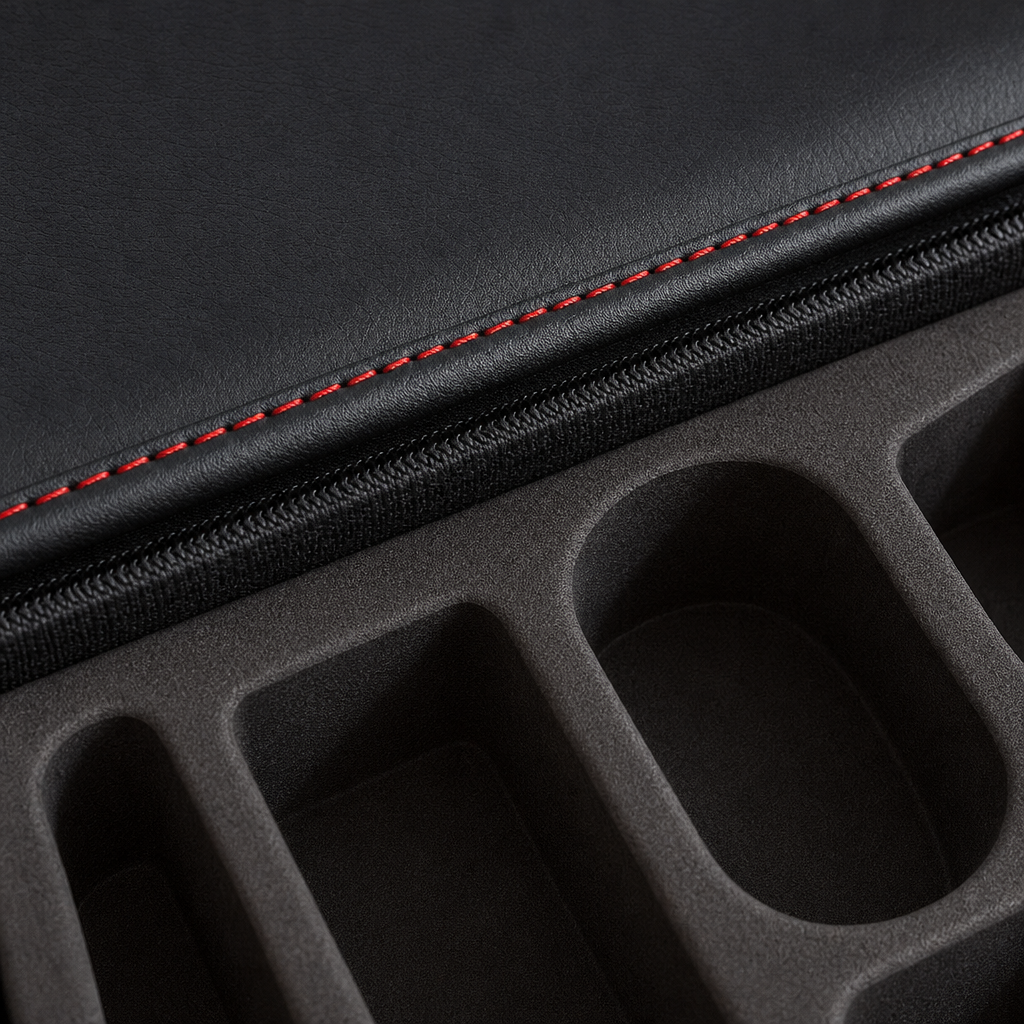
Cost, customization, and manufacturing considerations
Both EVA and PU leather can be customized, but they do not customize in the same way. EVA customization often focuses on shape, mold, interior layout, zipper design, fabric covering, colors, logo application, and accessory compartments. PU leather customization often focuses on surface finish, color, stitching, embossing, debossing, lining, closures, and overall silhouette.
For EVA, the mold and structure can be important cost factors. If your case needs a highly specific shape or custom internal cavity, development may require more planning. The benefit is a more secure fit and a case that feels designed for the product, not merely selected from a catalog.
For PU leather, the material grade and finishing details are key. Two PU leather cases can look similar in a photo but feel very different in hand. Thickness, backing material, surface coating, stitching quality, adhesive use, and edge treatment can all affect the final impression.
A simple selection process can help:
- Define the product risk. List what could break, scratch, bend, spill, or get lost.
- Choose the minimum protection level. Decide whether the case needs scratch resistance, organization, crush resistance, or impact support.
- Match the brand tone. Decide whether the case should feel rugged, technical, elegant, minimal, playful, or premium.
- Request physical samples. Test the actual zipper, lining, corners, surface texture, and fit.
- Check daily-use details. Open it repeatedly, pack the accessories, carry it in a bag, and look for weak points.
- Evaluate the whole experience. Consider how the case looks in photos, feels in hand, protects in transit, and supports repeat use.
This process makes the EVA Case vs. PU Leather Case: Which Is Better for Your Product? decision more objective. Instead of debating materials in general, you evaluate which case supports your specific product promise.
Common product matches for each material
EVA is often the stronger match for products that need a protective shell. Examples include headphones, chargers, cables, diagnostic tools, grooming kits, camera accessories, glasses, small instruments, first-aid items, and travel tech. These products benefit from molded compartments and a case that keeps its shape.
PU leather is often the stronger match for products that need visual appeal and a more refined presentation. Examples include notebooks, card holders, jewelry accessories, watches, cosmetic sets, corporate gifts, desk items, and slim electronic covers. These products often rely on touch, appearance, and neat finishing to create perceived value.
Some products can use either material successfully. For example, a premium tech accessory could use an EVA shell with a fabric or leather-look exterior, while a gift set could use a PU leather case with reinforced inserts. Hybrid thinking is useful when your product needs both protection and presentation.
Mistakes to avoid when comparing EVA vs PU
The biggest mistake is assuming one material is automatically “better.” EVA may protect better, but it can feel too bulky for some markets. PU leather may look better, but it can disappoint if customers expect strong protection.
Avoid these common errors:
- Choosing only by appearance. A beautiful case that fails during daily use will hurt the product experience.
- Ignoring the interior. Lining, straps, pockets, and inserts often matter as much as the outer material.
- Overbuilding the case. Too much structure can increase bulk and make a simple product feel inconvenient.
- Underbuilding for fragile items. A soft case may not protect a delicate item from pressure or drops.
- Skipping sample testing. Photos cannot reveal zipper smoothness, corner strength, odor, hand feel, or surface wear.
- Forgetting the customer’s context. A travel user, gift buyer, office worker, and field technician all judge cases differently.
A strong case strategy balances protection, usability, and presentation. The goal is not to choose the most impressive material in isolation; it is to choose the case your customer will trust and enjoy using.
The best choice supports the product promise
If your product promise is safety, organization, portability, or rugged reliability, EVA is usually the better starting point. It gives you structure, molded design options, and practical protection for products that need more than a decorative cover. When eva durability matters to the customer, an EVA case can become a meaningful part of the product’s value.
If your product promise is elegance, gifting, professional presentation, or everyday style, PU leather may be the better fit. A thoughtful PU leather design can make a product feel more polished and personal, especially when the case is slim, well-finished, and pleasant to handle. Just make sure the pu leather quality matches the price point and expected use.
In the end, the right answer comes from the product itself. Choose EVA when protection and structure lead the decision. Choose PU leather when appearance, touch, and presentation carry more weight. When both matter, consider a hybrid design or upgraded construction that gives customers the best possible balance of function and style.