Discover how to choose an EVA case for electronic accessories by matching dimensions, materials, and usage needs. Ensure quality and suitability with supplier comparisons and thorough specifications.
How to Choose an EVA Case for Electronic Accessories
Choosing an EVA case for electronic accessories means matching the complete case—not just its outer dimensions—to your products, handling risks, and purchasing requirements. Start with the accessory layout, specify the materials and construction, then validate a production-representative sample before ordering. For importers, brand owners, and product designers, this approach makes supplier quotations more comparable and gives quality teams clear acceptance criteria.
What makes an EVA case suitable for electronic accessories?
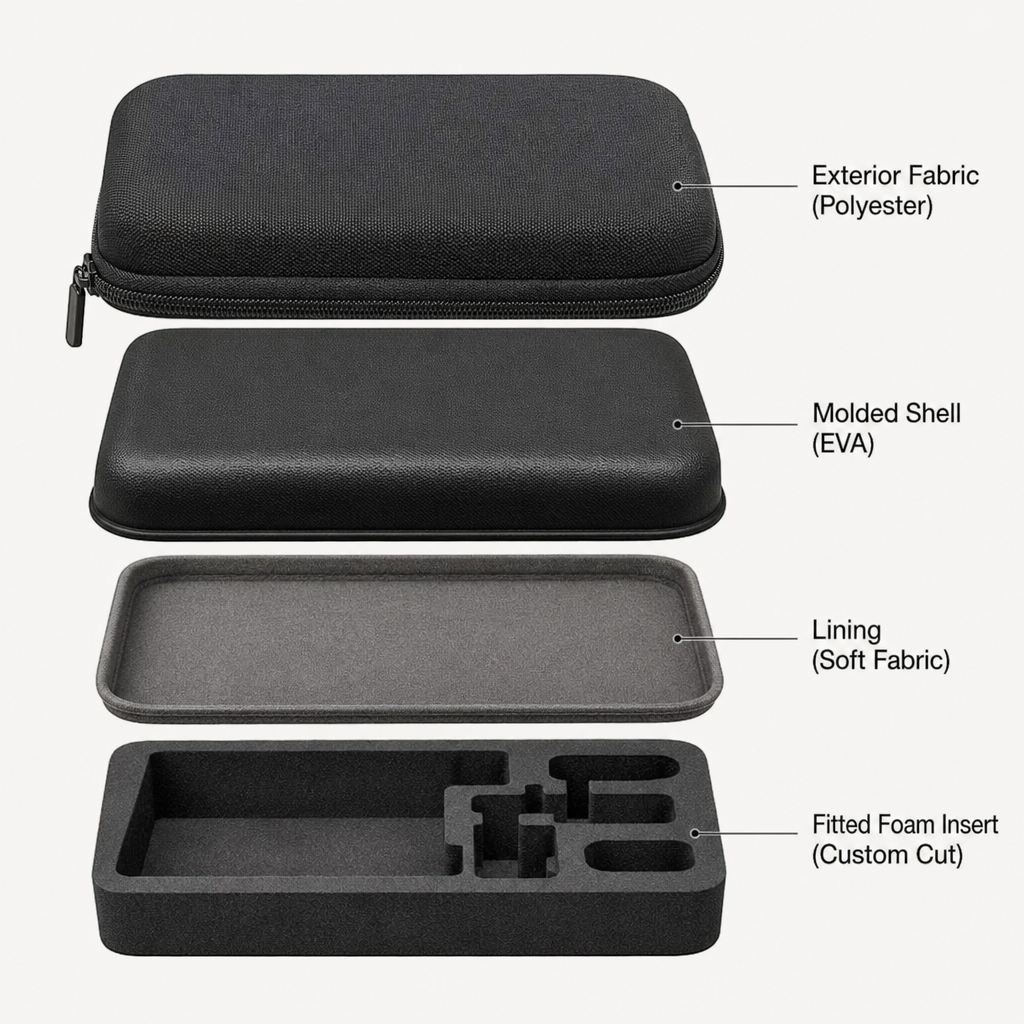
An EVA case is suitable when its shell, lining, retention system, and closure work together to protect and organize the intended accessories. EVA stands for ethylene vinyl acetate; commercial EVA foams include closed-cell, cross-linked grades with documented mechanical properties. However, material data alone does not establish how a finished carrying case will perform.
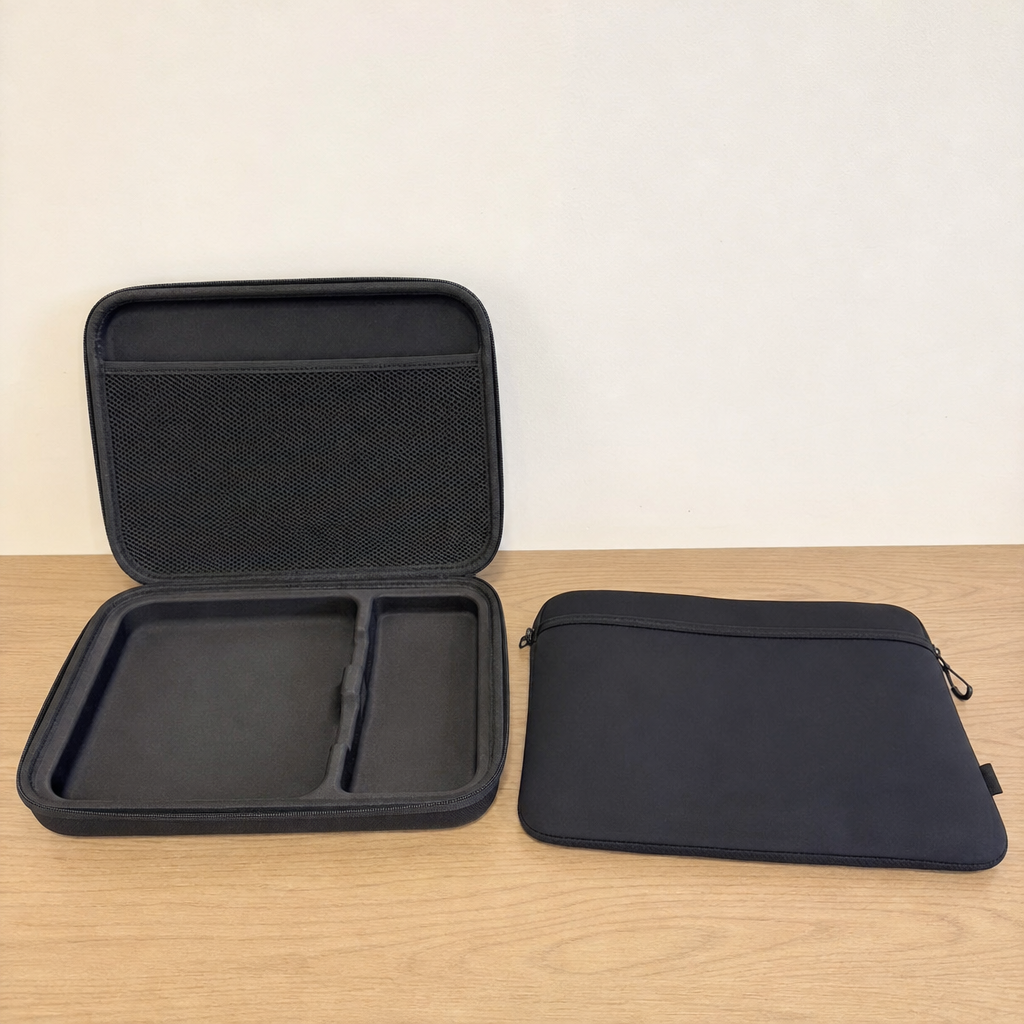
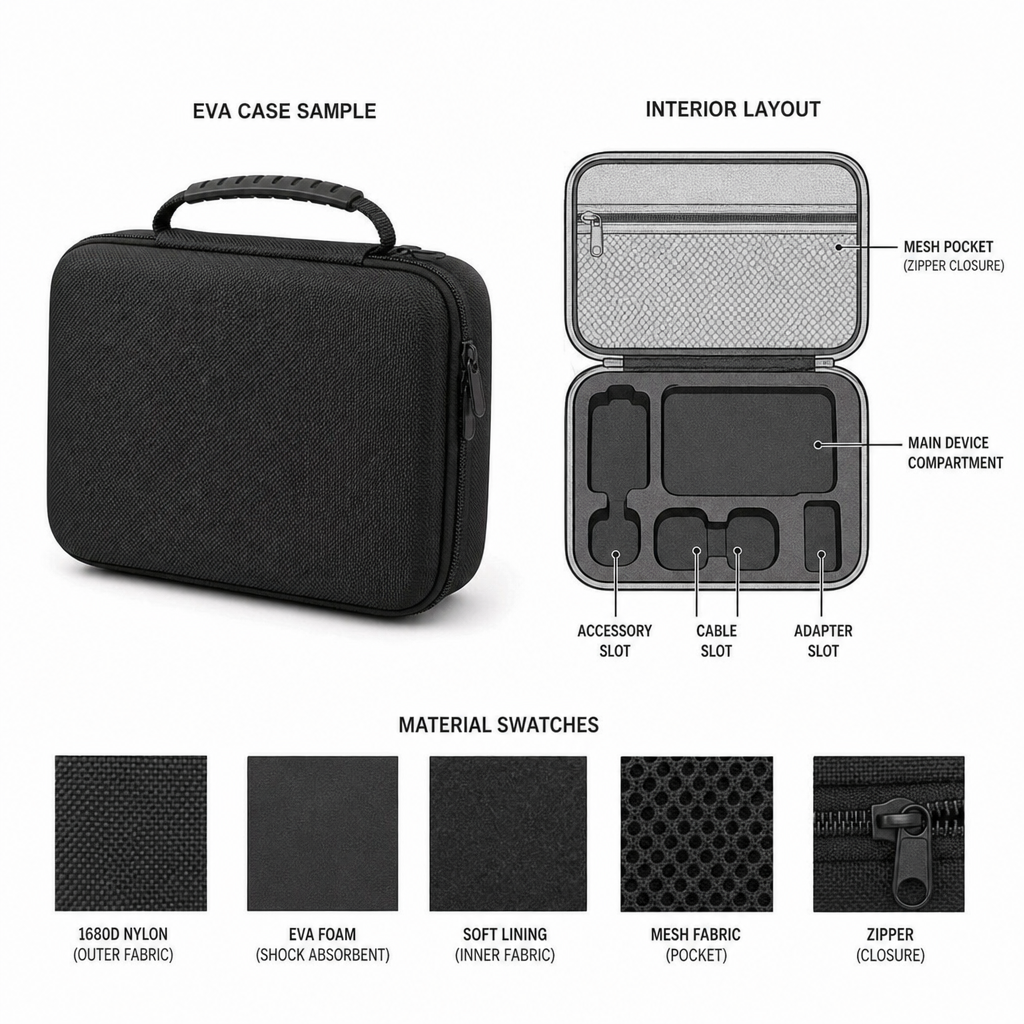
Commercial EVA carrying cases can use textile-laminated, thermoformed shells, with separate interior trays or organizers. Treat the shell, interior, and closure as separate specification decisions rather than assuming that every case labeled “EVA” has equivalent construction.
Specify the foam, not simply “high-quality EVA”
Ask suppliers to identify the proposed foam grade, nominal density, hardness scale, thickness, and supporting technical data. Zotefoams’ EVA documentation reports density, compression behavior, hardness, compression set, and water absorption separately, illustrating why one material description cannot replace a specification.
As a purchasing recommendation, evaluate candidate materials in the finished sample rather than selecting by touch alone. Ask what evidence supports the proposed construction for your loaded case. A supplier should explain the selection in relation to your application, not simply describe it as premium.
Start with the loaded layout and usable internal space
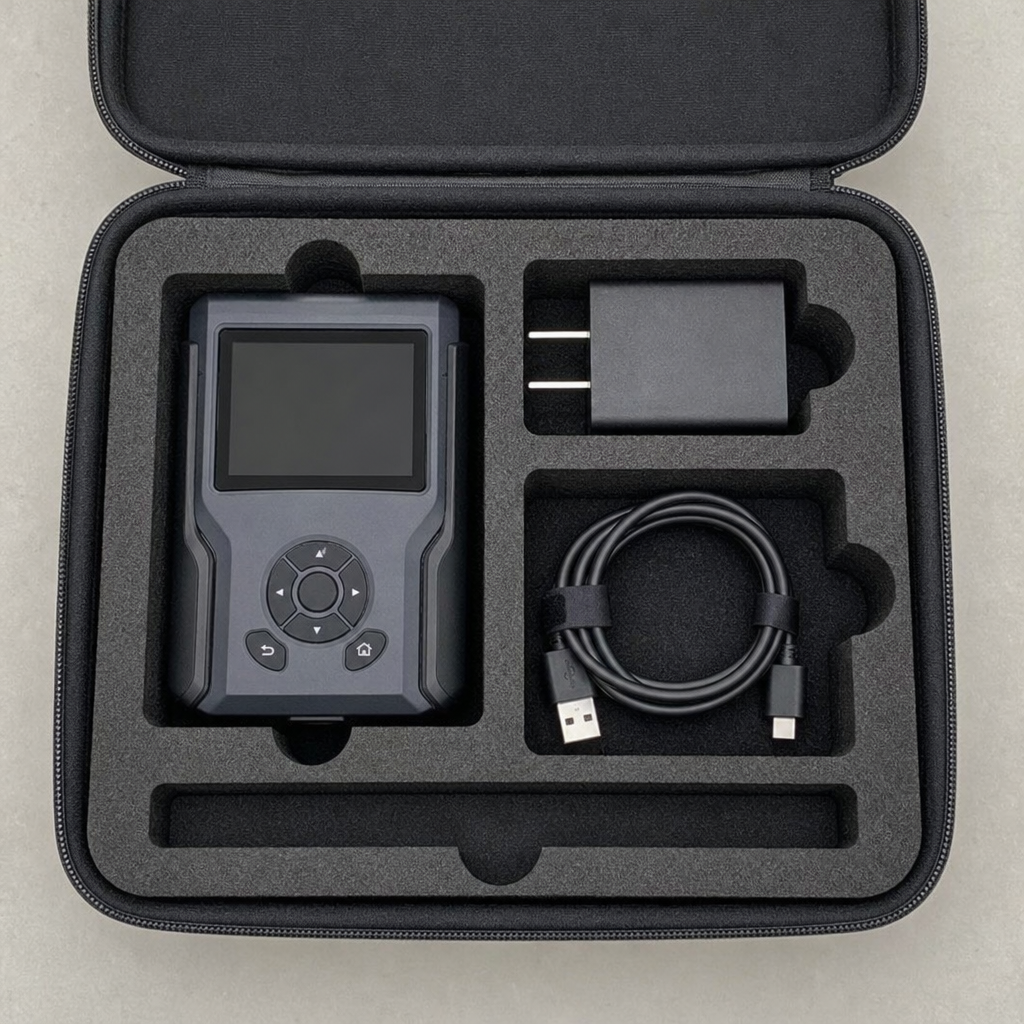
Build your case specification around everything the customer must pack. Include the largest charger variant, cable connectors, adapters, documentation, and any regional plug options. Record dimensions and weights, and provide physical samples or controlled drawings wherever possible.
Distinguish external dimensions from usable internal dimensions. Ask the supplier to show the space remaining after the lining, insert, pockets, and closure are included. Specify the intended cable arrangement so the sample is evaluated with realistic packing rather than unusually tight coils.
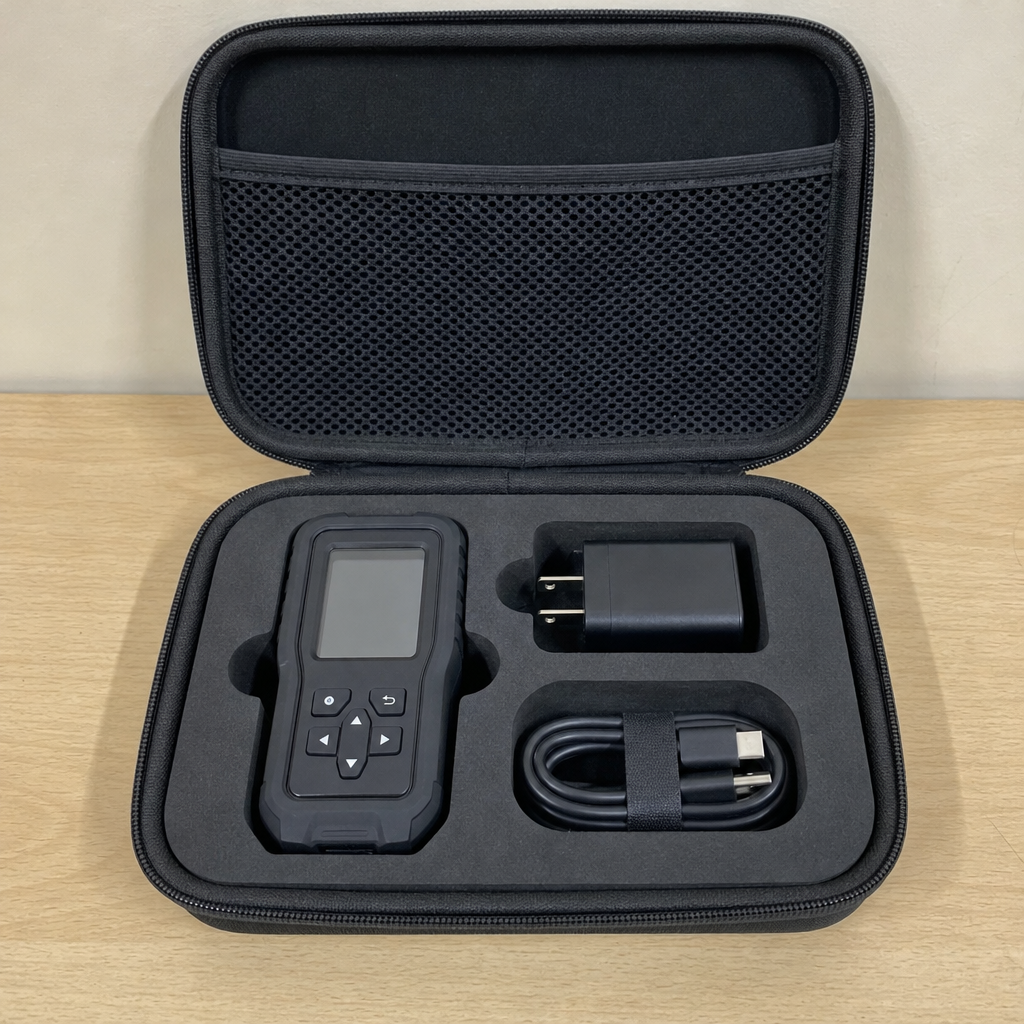
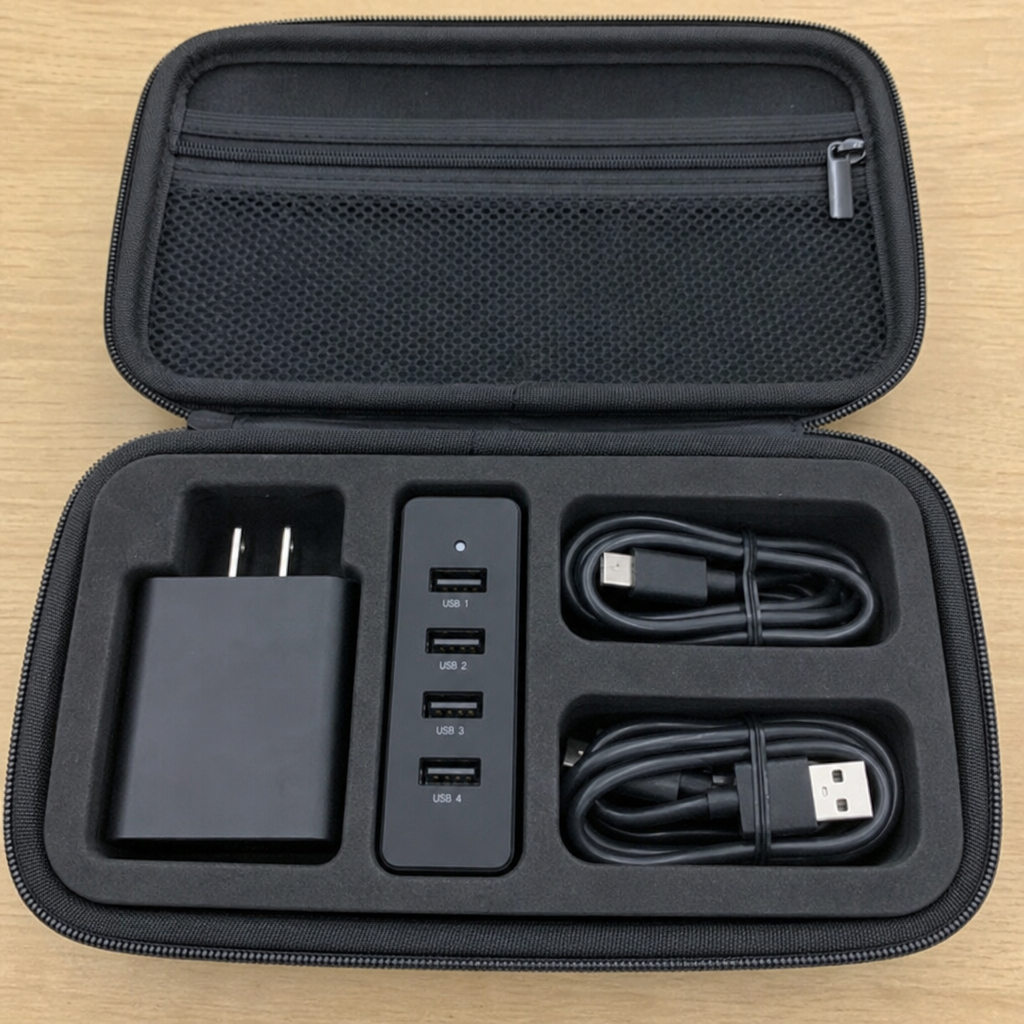
For example, a proposed travel kit containing a charger, hub, and two cables should be reviewed as a complete assembly. Check that the hub stays in position, connectors remain separated from cosmetic surfaces, and the lid closes without force. Include finger access so users can remove each item without pulling its cable.
Use this layout checklist during sample review:
- Retention: Confirm that each component stays in its assigned locati0n during normal handling.
- Clearance: Check that pockets and accessories do not press against one another when closed.
- Accessibility: Ensure straps, recesses, and finger cutouts allow straightforward removal.
- Variant coverage: Test the largest approved accessory combination, not just the smallest.
- Packing sequence: Confirm that the intended arrangement is easy to repeat.
Compare interior options against the product lifecycle
Choose the interior around the stability of your accessory range and the way customers use the kit. Ask suppliers to quote alternatives against the same loaded layout. The following table is a selection aid, not a guarantee that one construction will outperform another.
| Interior option | Consider when | Check before approval |
|---|---|---|
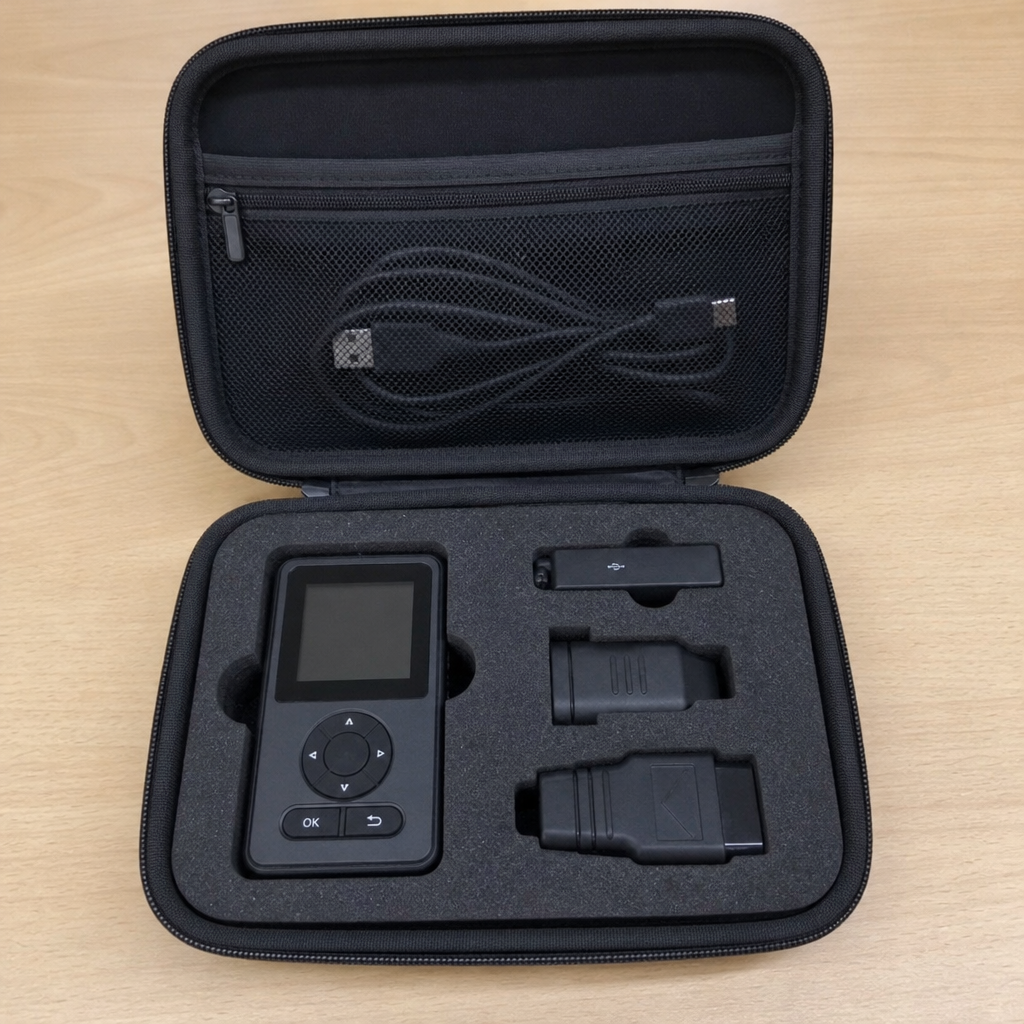
| Elastic straps and mesh pockets | The kit includes several cables or interchangeable accessories | Retention, pocket access, and pressure on connectors |
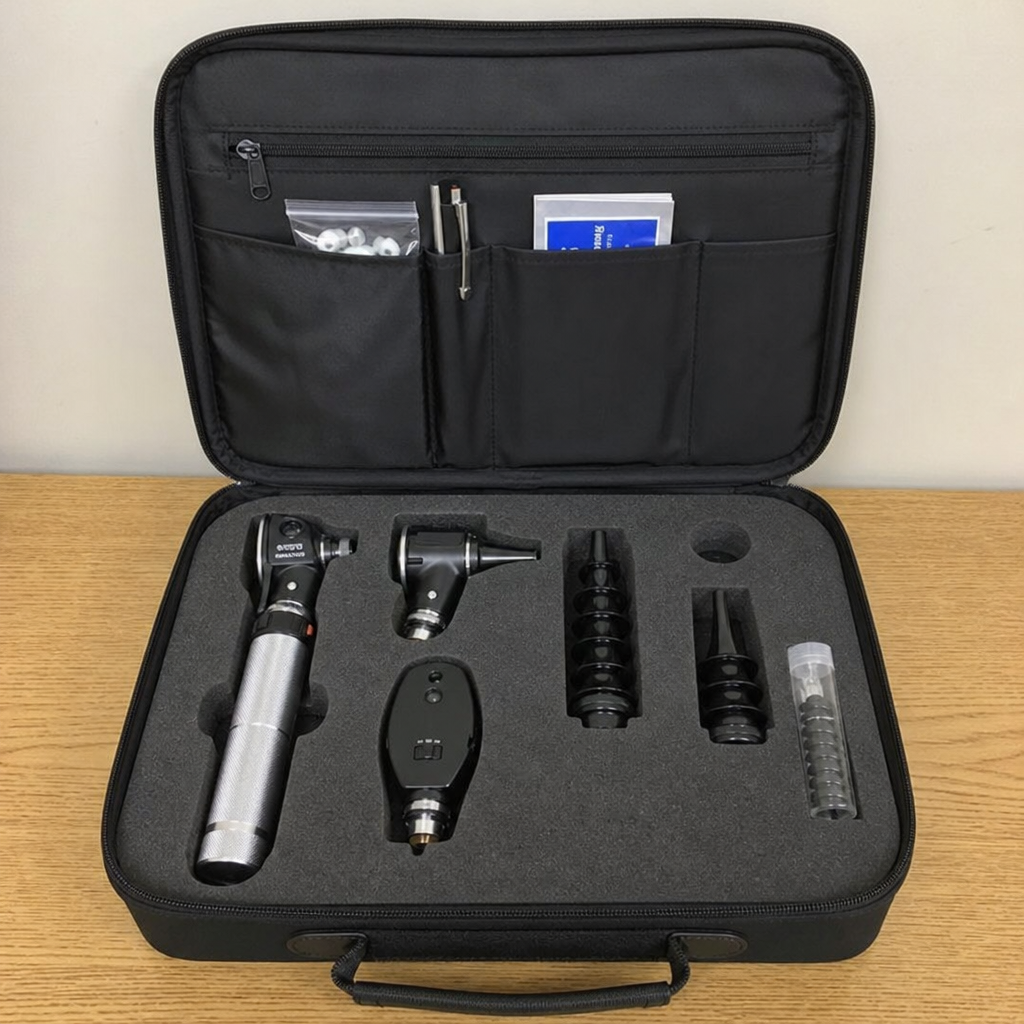
| Custom-cut foam insert | Components have defined positions | Fit, removal access, edge finish, and movement |
| Molded interior tray | A stable product layout needs dedicated recesses | Tooling requirements, retention, and future revision costs |
| Removable dividers | The accessory assortment may change | Divider attachment and movement when loaded |
For a changing product range, request an interchangeable insert proposal. For a fixed branded kit, evaluate whether a dedicated interior improves presentation and packing consistency enough to justify its development requirements.
Are EVA cases waterproof or ESD-safe?
Neither waterproofing nor electrostatic discharge protection should be assumed from the EVA label. Water protection concerns the complete enclosure, while ESD protection requires packaging properties appropriate to the sensitive item. Request evidence for the proposed finished construction and intended application rather than relying on a generic material claim.
IP classifications describe enclosure protection against solid objects and water. If your project requires a specified level of ingress protection, ask for the relevant test report and verify that it covers the actual case design. Do not substitute a coating description for evidence of enclosure performance.
For exposed circuit boards or other ESD-sensitive items, involve your electronics quality team. The EOS/ESD Association distinguishes low-charging, dissipative or conductive packaging properties from discharge shielding requirements outside an ESD-protected area. An “antistatic lining” description alone is not a complete packaging specification.
Connect custom design to manufacturing decisions
Custom EVA cases may involve thermoforming, alongside decisions about materials, interiors, and assembly. Cases By Source identifies thermoforming among its EVA case manufacturing capabilities. Ask your supplier to describe the proposed process and identify which features require dedicated tooling.
Keep the development sequence explicit: approve the layout, review drawings, confirm materials, evaluate samples, and release production only after outstanding changes are resolved. Record responsibility for design revisions and any associated charges. This gives purchasing and engineering teams a shared approval trail.
Separate appearance approval from functional approval
Review colors, texture, logo placement, and packaging alongside fit and handling. Ask whether the sample uses production-intent materials and processes, and document any substitutions. A visually convincing prototype should not automatically become the reference for functions it has not demonstrated.
Confirm whether OEM or ODM support includes design development, drawing preparation, tooling, sample revisions, and packaging artwork. Define deliverables in writing rather than relying on those labels alone.
Turn quality expectations into an inspection plan
Create the inspection checklist before placing the bulk order. Replace broad requests such as “strong zipper” or “shockproof case” with agreed checks, test conditions, and acceptance criteria. Have the supplier confirm what it can verify during production and before shipment.
Recommended inspection points include:
- Dimensions and fit: Measure agreed reference points and pack the approved accessory set.
- Construction: Inspect seams, binding, lamination, pocket attachment, and exposed adhesive.
- Closure operation: Check opening and closing with the case fully loaded.
- Brand presentation: Compare color, logo placement, and cosmetic finish with approved references.
- Loaded performance: Agree on handling or drop evaluations that reflect the intended use, including post-test product checks.
- Export packing: Verify carton quantity, labels, protective packing, and shipment identification.
Keep an approved reference sample and controlled specification available to the factory and inspector. Define critical, major, and minor defects before inspection. If sampling is used, agree on the method and acceptance rules rather than leaving them implicit.
How should buyers compare EVA case suppliers and quotations?
Compare suppliers against one written specification and separate recurring unit costs from development and logistics charges. A useful quotation should state exactly what is included, which assumptions remain open, and what must be approved before production. This gives international buyers a clearer basis for evaluating custom protective carrying cases.
Request the following information with each quotation:
- Commercial scope: Order quantity, minimum order requirements, payment terms, quote validity, and named delivery terms.
- Development costs: Samples, tooling, revisions, ownership, storage, and maintenance responsibilities.
- Production scope: Approved materials, interior configuration, branding, and retail packaging.
- Schedule: Separate estimates for development, approval, production, and shipment readiness.
- Documentation: Relevant material reports, inspection records, and destination-market documentation for review by your compliance team.
For internal product research, consult the supplier website’s existing EVA case product pages, custom manufacturing pages, and related articles on foam inserts or case testing, where available. Use these resources to identify questions for the quotation rather than treating marketing descriptions as contractual specifications.
Choose the case you can specify and verify
The best EVA case for electronics is the one that fits your actual accessory set and meets documented requirements for handling, presentation, and purchasing. Validate the loaded sample, preserve the approved specification, and compare quotations on equal terms.
When requesting custom EVA cases or OEM/ODM support, share your accessory drawings, intended use, order quantity, and branding requirements. Ask for a construction proposal and sample plan before committing to bulk production.