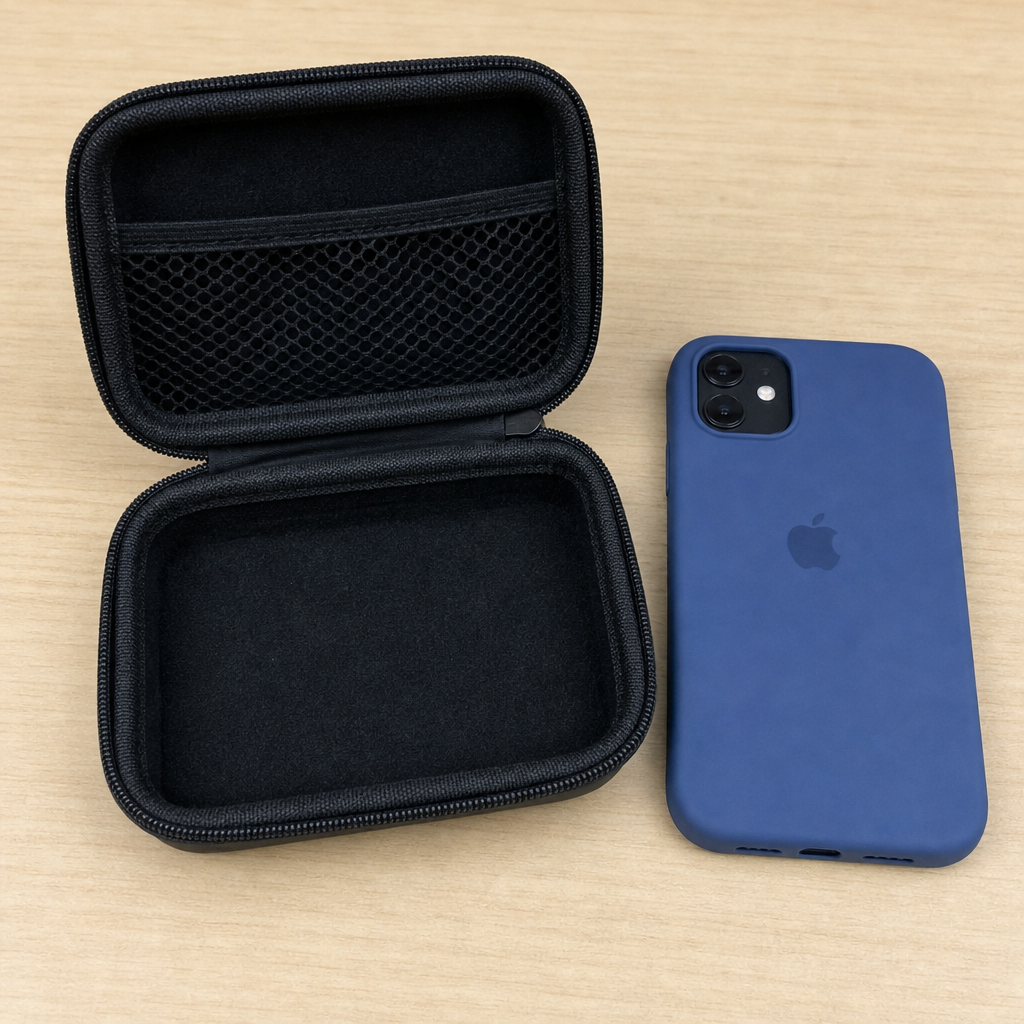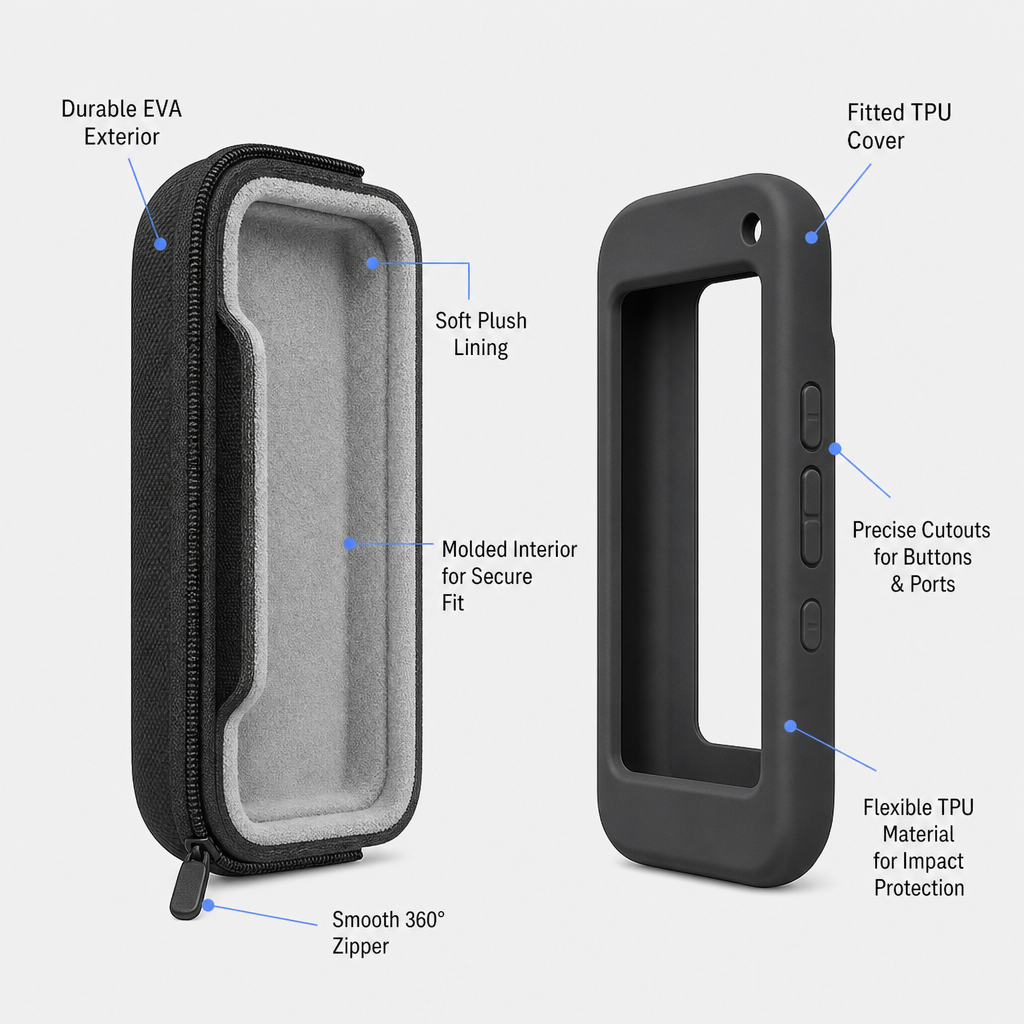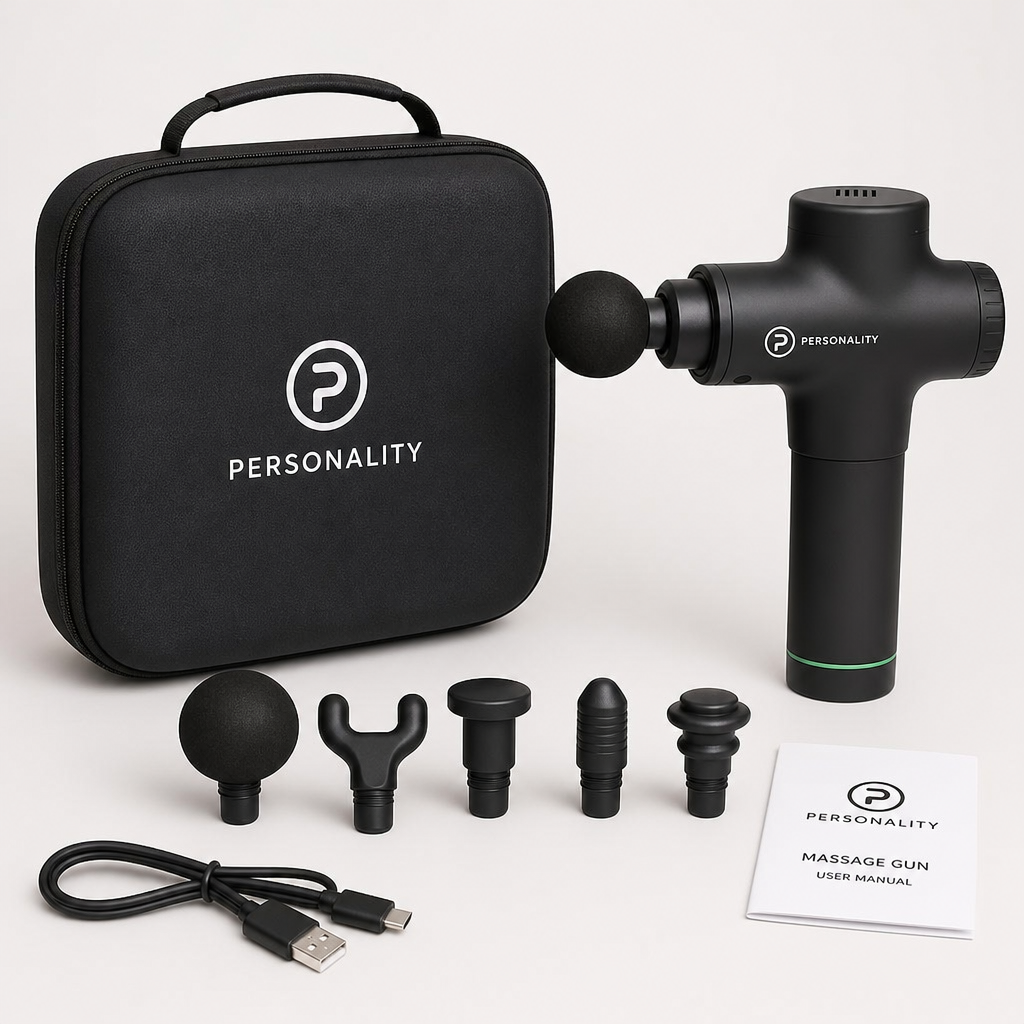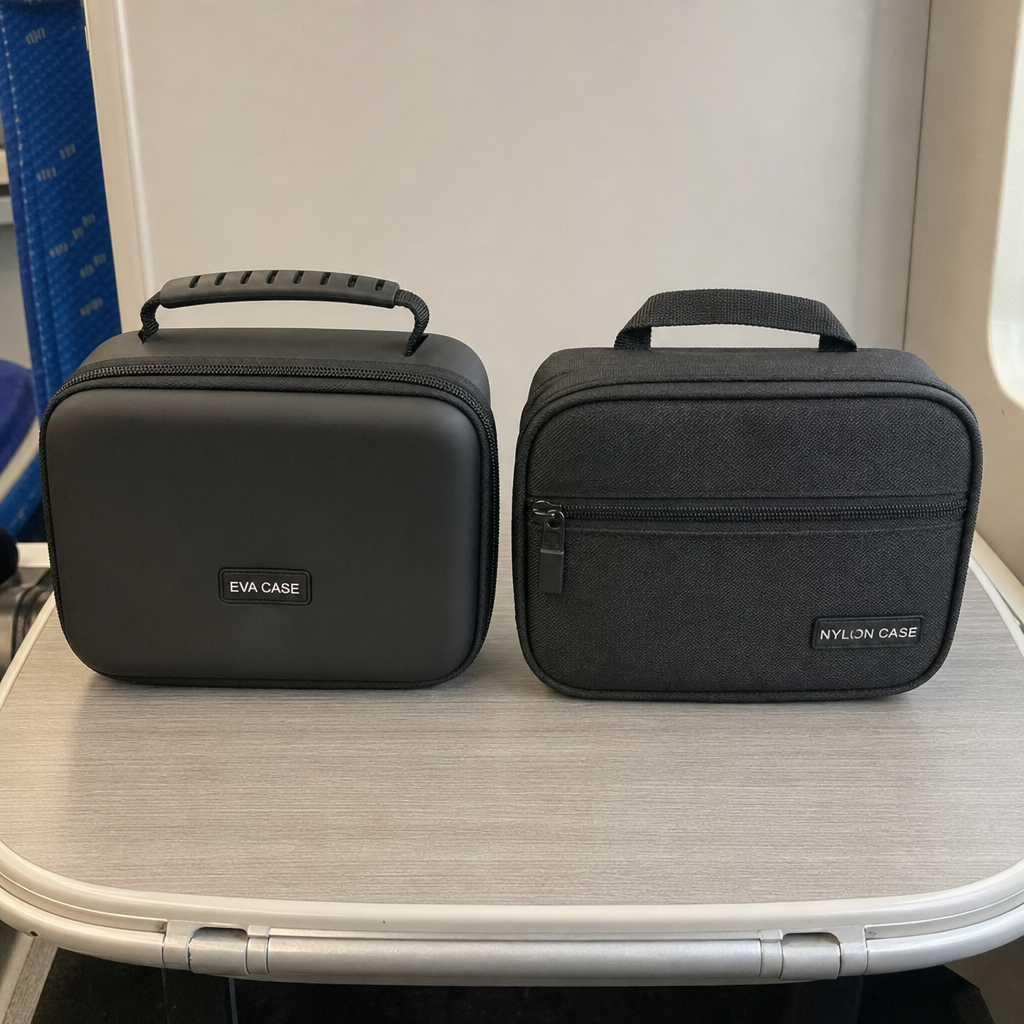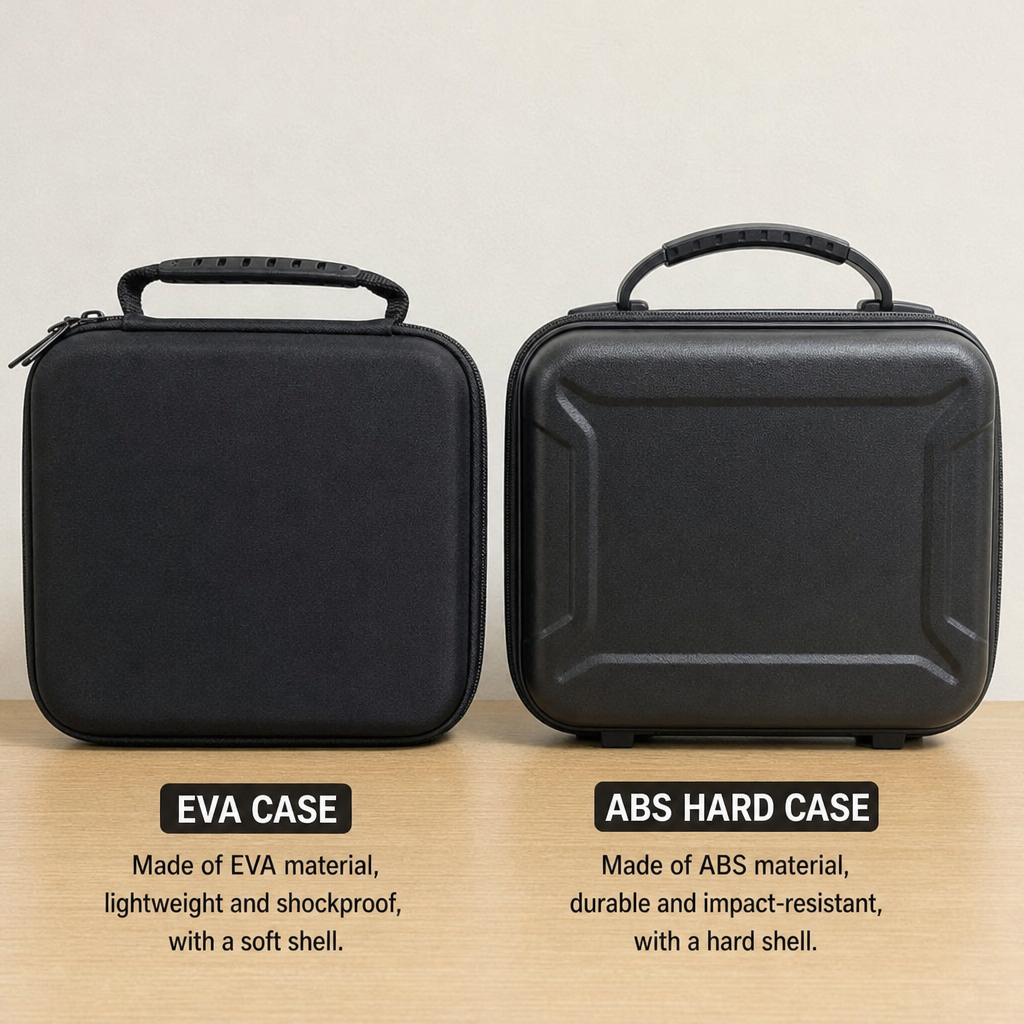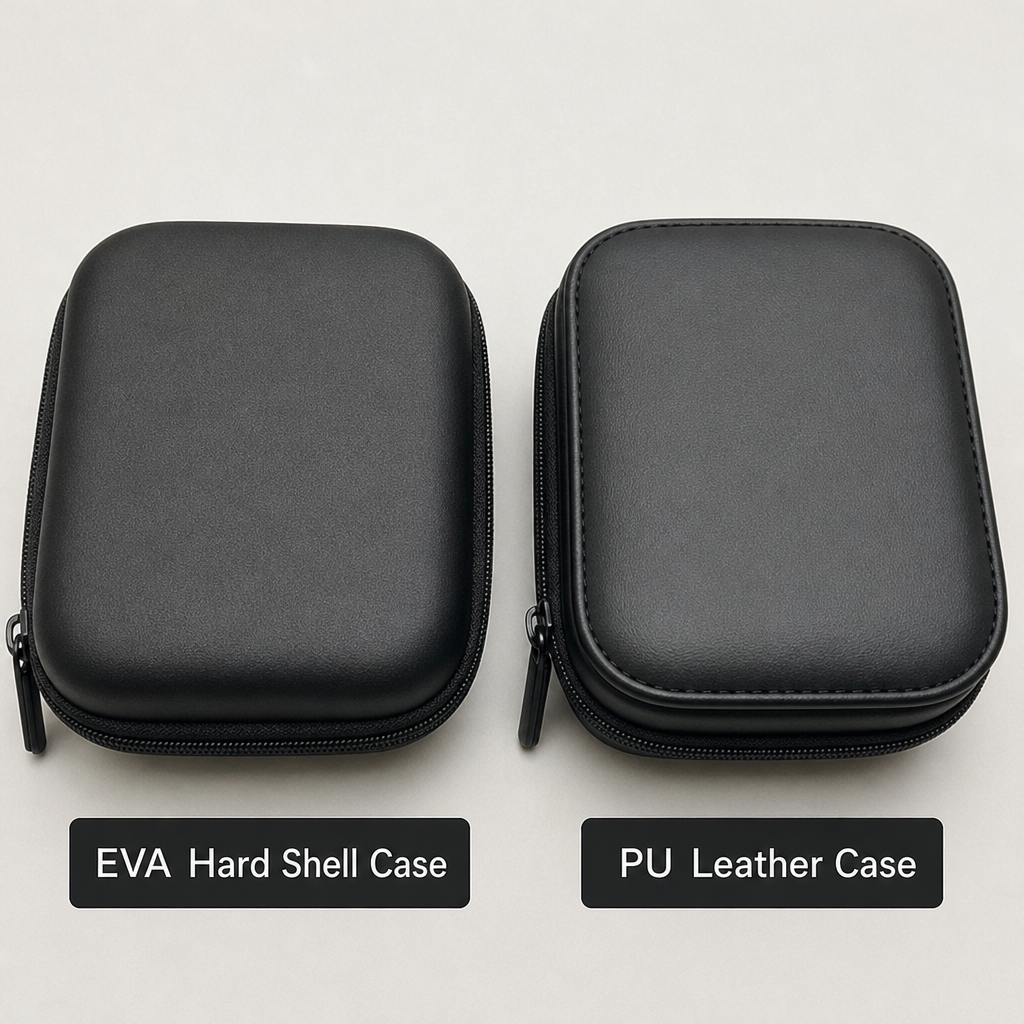
EVA cases are generally the better starting point when you want a structured enclosure, while neoprene cases suit a flexible, close-fitting layer inside another bag. Neither material alone guarantees protection against drops, crushing, or water: the finished case matters more than its label. This comparison explains those trade-offs so you can choose protective cases around your equipment, packing habits, and daily routine.
What is the difference between EVA and neoprene cases?
The main difference is construction: molded EVA cases commonly provide a semi-rigid enclosure, whereas neoprene sleeves provide flexible padding that follows a device’s shape. EVA stands for ethylene vinyl acetate, a material available in foam grades with different physical properties. Treat these as broad design tendencies, not a promise that every EVA product outperforms every neoprene alternative.
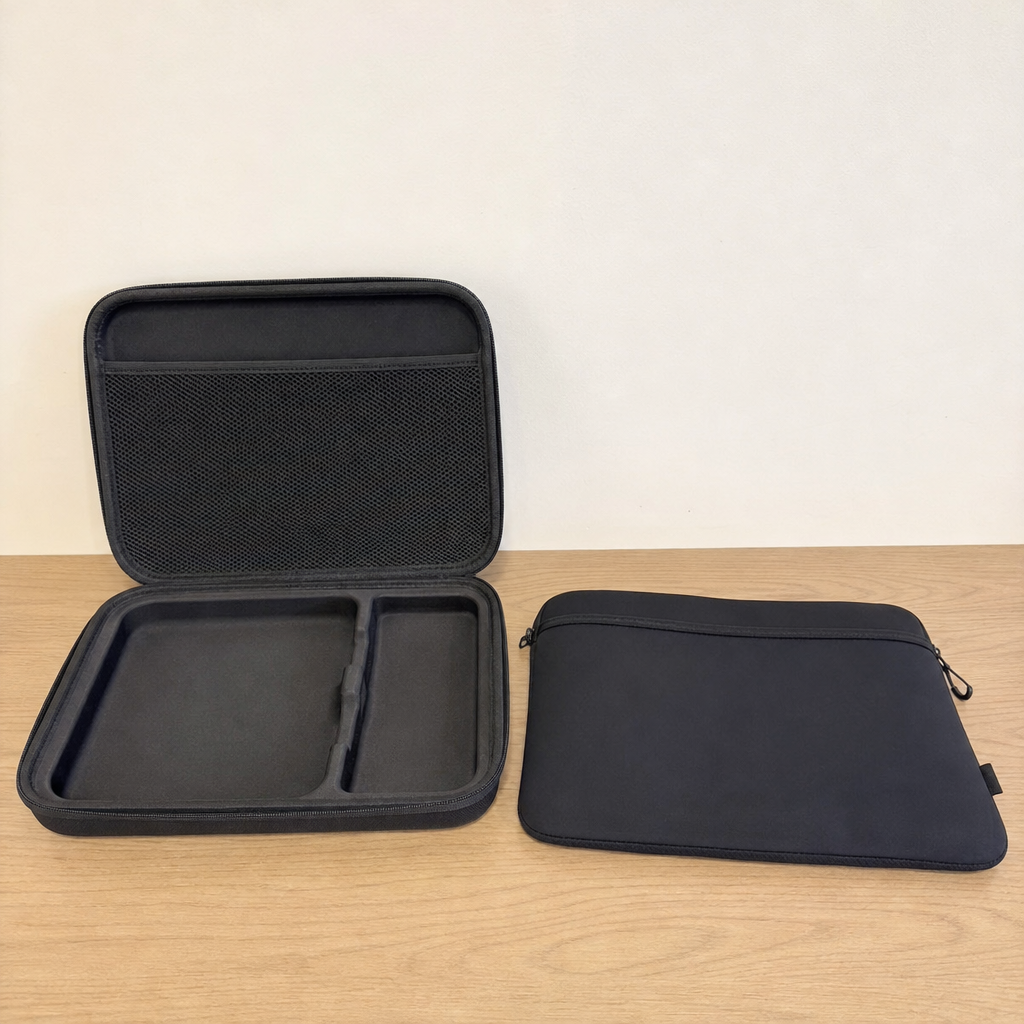
An EVA case is not necessarily a solid plastic box. For example, Targus describes an EVA sleeve combining a soft lining, semi-rigid foam, and a water-resistant outer skin. Case Logic likewise combines molded EVA with quilted padding, illustrating how the shell and interior work together rather than independently.
Neoprene cases often take the form of padded sleeves rather than shaped storage boxes. Mobile Edge describes its neoprene sleeves as usable alone or inside a larger carrying case. That makes the sleeve format worth considering when your backpack already supplies organization and you mainly want a separate padded layer around your laptop.
Use this table as a shopping shortcut, then verify the individual product’s construction. These are practical selection priorities inferred from the different formats, not laboratory comparisons between materials.
| Shopping priority | Start by considering | What to verify |
|---|---|---|
| A structured enclosure | Molded EVA case | Shell firmness, padding, and internal fit |
| A close-fitting laptop sleeve | Neoprene case | Device dimensions and edge coverage |
| Protection inside a crowded bag | Structured case with cushioning | Pressure points and accessory separation |
| Minimal packing bulk | Slim sleeve | Actual exterior dimensions when loaded |
| Rain or immersion protection | A purpose-rated enclosure | Whole-case water rating and closure design |
Which material offers better protection against bumps and pressure?
For a structured barrier around equipment, start with a well-designed molded EVA case; for flexible cushioning inside an existing bag, consider neoprene. However, neither material name establishes a drop rating or crush resistance. Compare the complete protective system—shell, padding, corners, retention, and fit—rather than assuming that a firmer exterior automatically means safer contents.
Look beyond the outer shell
A useful manufacturer example is Case Logic’s molded EVA sleeve, which includes thick quilted padding intended to keep the laptop snug and prevent sliding. Its construction highlights an important shopping distinction: shape retention and internal restraint are separate features. Look for both instead of treating an EVA shell as a substitute for a properly fitted interior.
During a hands-on inspection, place the intended equipment inside and check the following:
- Movement: Gently tilt the closed case. Reject a fit that lets equipment shift freely or strike other contents.
- Corner coverage: Check whether padding surrounds vulnerable edges rather than covering only broad surfaces.
- Accessory separation: Give plugs, chargers, and loose hardware their own compartment instead of pressing them against a device.
- Closure clearance: Close the case without forcing the zipper or pushing the lid against the equipment.
Do not deliberately drop your device to test a case. Use the manufacturer’s published testing information for performance claims, and use your inspection to identify obvious fit problems.
Treat “shockproof” as a claim to investigate
When browsing shockproof cases, ask what the seller actually tested. Request the drop height, test surface, equipment load, and pass criteria if those details are absent. A product description that mentions cushioning does not give you those answers; seek evidence appropriate to the value and fragility of your equipment.
For a delicate item, prioritize an explicit compatibility statement and documented protection over a dramatic adjective. If the seller cannot explain the claim, treat performance as unverified. Avoid interpreting ordinary sleeve padding as permission to pack fragile gear carelessly.
Are EVA and neoprene cases waterproof?
Neither EVA nor neoprene makes a finished case waterproof by itself. Material-level water resistance and whole-case waterproofing are different things: a foam specification describes the material, while a waterproof enclosure also needs an effective closure and seal. Look for an explicit rating and stated conditions for the complete case rather than extrapolating from the fabric or foam.
For perspective, Pelican’s M50 specifies an O-ring gasket and IP67 protection, with stated immersion conditions of one meter for up to 30 minutes. That is a defined product claim, not a property you should assume for an ordinary zippered sleeve. Targus, by contrast, describes its EVA Pro-Tek sleeve’s exterior as water-resistant.
Before choosing waterproof cases, separate your needs into three situations:
- Occasional splashes: Check the manufacturer’s resistance claim, and keep the case away from spills whenever possible.
- Regular wet-weather travel: Ask whether the claim covers the complete enclosure, including its opening, rather than only the exterior material.
- Possible immersion: Choose a case with documented immersion conditions that match the intended exposure, and follow its closure instructions.
For a rainy commute, consider a separately rated waterproof enclosure if keeping electronics dry is essential. Do not use an expensive device to experiment with an uncertain water-resistance claim.
Match the case to your travel routine
Start with your packing arrangement, not the material category. Lay out the device, accessories, and bag you actually use, then decide which problems the case must solve. Avoid buying extra compartments or structure without checking whether they fit your routine.
Flights, weekend trips, and crowded luggage
Consider molded EVA when you want a defined enclosure for equipment rather than a flexible wrap. Its structured format is a useful starting point for comparing cases intended to sit among other belongings, but verify the product’s stated protection before relying on it under pressure. A semi-rigid sleeve should not be treated as equivalent to a rated rigid equipment case.
Before buying, sketch where the case will sit in your luggage. Keep dense objects away from fragile equipment, and resist filling every spare internal gap with adapters. Choose accessory storage that allows the lid to close without contact or strain.
Also check how much space the case needs when open. If you expect to retrieve equipment on a train or at a small desk, rehearse that movement with your bag. A protective arrangement that is awkward to access deserves reconsideration before the trip.
Commuting, campus, and café work
Consider neoprene when your main goal is a close-fitting padded sleeve within an existing carrying system. Manufacturer guidance describes this sleeve format as suitable for use inside a larger case, while Dell notes that flexible materials can conform closely to a laptop. That makes it a sensible option to evaluate alongside your backpack’s own compartment.
For example, if your laptop travels separately from your charger and notebooks, focus on sleeve fit and convenient removal. If everything shares one compartment, prioritize separation before choosing between materials. Do not ask a thin sleeve to solve an organization problem that belongs to the bag.
Try your normal routine in order: pack, carry, unpack, and repack. Check whether the sleeve catches at the bag opening or requires awkward pulling. Choose the arrangement you can use consistently without forcing the equipment into place.
Compare weight and bulk at the product level
Do not assume that every neoprene sleeve is lighter than every EVA case. Manufacturers offer both slim molded EVA designs and lightweight neoprene formats, but their dimensions, padding, and carrying features differ. When comparing lightweight cases, use the published weight and exterior measurements of the specific products on your shortlist.
Compare products sized for the same equipment and intended for the same job. A laptop sleeve and a compartmented accessory case are not useful substitutes simply because both contain foam. Write down your maximum acceptable packed size before browsing, then eliminate options that exceed it.
Try the shortlisted case inside your usual bag with your normal load. Check the opening, available depth, and access to neighboring compartments. Favor the smallest case that meets your protection and fit requirements, rather than choosing either maximum structure or minimum weight in isolation.
Check fit and construction before you buy
Use internal measurements rather than relying only on a screen-size label. Case Logic, for instance, publishes both overall dimensions and laptop-compartment dimensions for its molded EVA sleeve. Those measurements answer different questions: whether your device fits inside and whether the case fits inside your bag.
Measure your equipment as you intend to carry it, including any cover that stays attached. Then run through this checklist before committing:
- Confirm usable interior space. Compare length, width, and thickness, not just a nominal device category. Ask about fit if the available measurements are unclear.
- Check the loaded closure. The zipper should travel without forcing the two sides together. Remove accessories if they create pressure against the device.
- Inspect the lining. Look for exposed hardware, rough seams, or other contact points. Check that zipper teeth are separated from the equipment.
- Evaluate retention. Prefer a fit or restraint arrangement that holds each item in its intended position without squeezing controls or connectors.
- Test carrying features. With the intended load inside, assess handle comfort, attachment points, and whether the case hangs securely.
- Read the exclusions. Review care instructions, compatibility limits, return conditions, and the scope of any protection claim before purchase.
For a laptop, keep chargers and other hard accessories separate from the computer whenever possible. Dell’s sleeve guidance specifically recommends avoiding overfilling and keeping sharp objects away from the laptop compartment. Apply that packing discipline whichever material you choose.
Make the final choice around your equipment
Choose EVA as your starting point for a structured, padded enclosure; choose neoprene as your starting point for a flexible sleeve inside another bag. In either category, judge the finished product by its fit, construction, and documented protection—not the material name alone.
Before ordering, identify your biggest concern: everyday scuffs, movement inside a bag, awkward packing, or water exposure. Then buy for that concern without assuming one case solves everything. A carefully fitted case used sensibly is the goal, not simply the toughest-sounding product description.