Choosing between an EVA case and an ABS hard case comes down to structure, impact resistance, weight, and design goals. Both can protect electronics, tools, medical devices, cosmetics, accessories, and travel gear, but they solve different problems. This guide on EVA Case vs. ABS Hard Case: Key Differences in Protection and Design shows how to match the case material to the way the product will be stored, carried, and handled.
Which case offers better protection?
An ABS hard case usually offers stronger rigid-shell protection against crushing, sharp impacts, and rough stacking, while an EVA case gives dependable everyday protection with more flexibility and lighter weight. In practical use, ABS is often the better pick when the contents are heavy, fragile, or exposed to demanding transport. EVA is often the better pick when the item needs cushioning, is easy to carry, and fits a molded shell without the bulk of a fully rigid case.
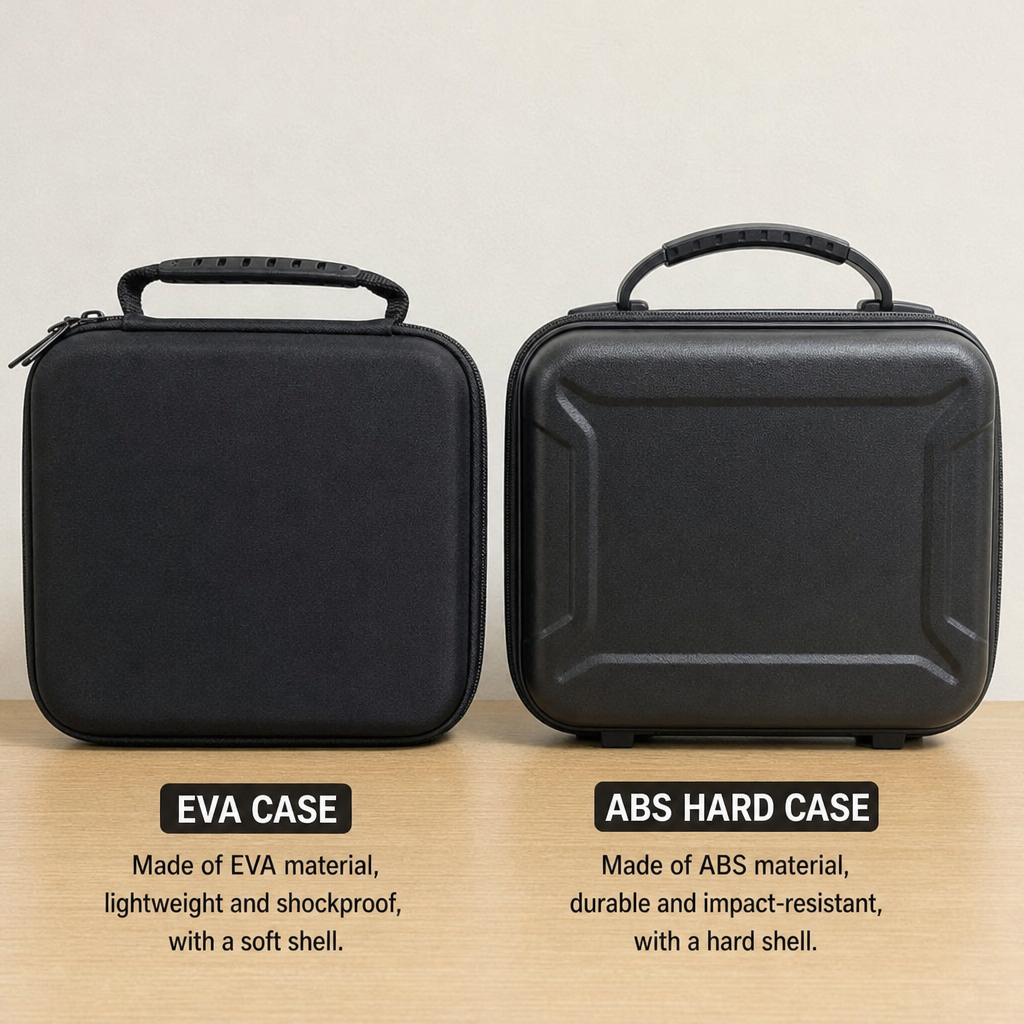
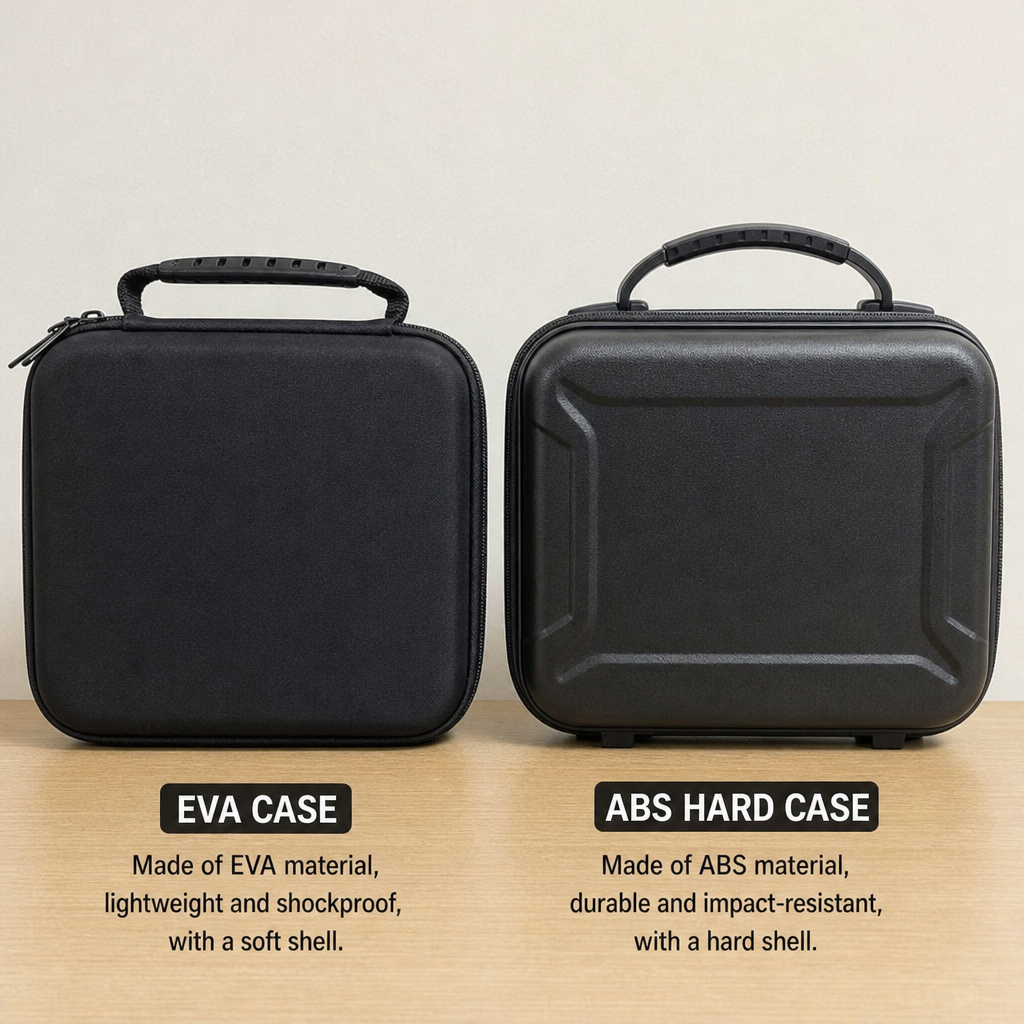
The difference starts with material behavior. EVA, or ethylene-vinyl acetate, is a foam material that absorbs shock and compresses when pressed. ABS, a rigid plastic, resists deformation and creates a firm protective barrier around the contents.
That means EVA tends to protect by absorbing and spreading everyday bumps, while ABS protects by resisting outside force. Neither is always better. The right choice depends on whether you care more about cushioning, crush resistance, lighter carry, or a clean structural look.
The core material differences shape the user experience
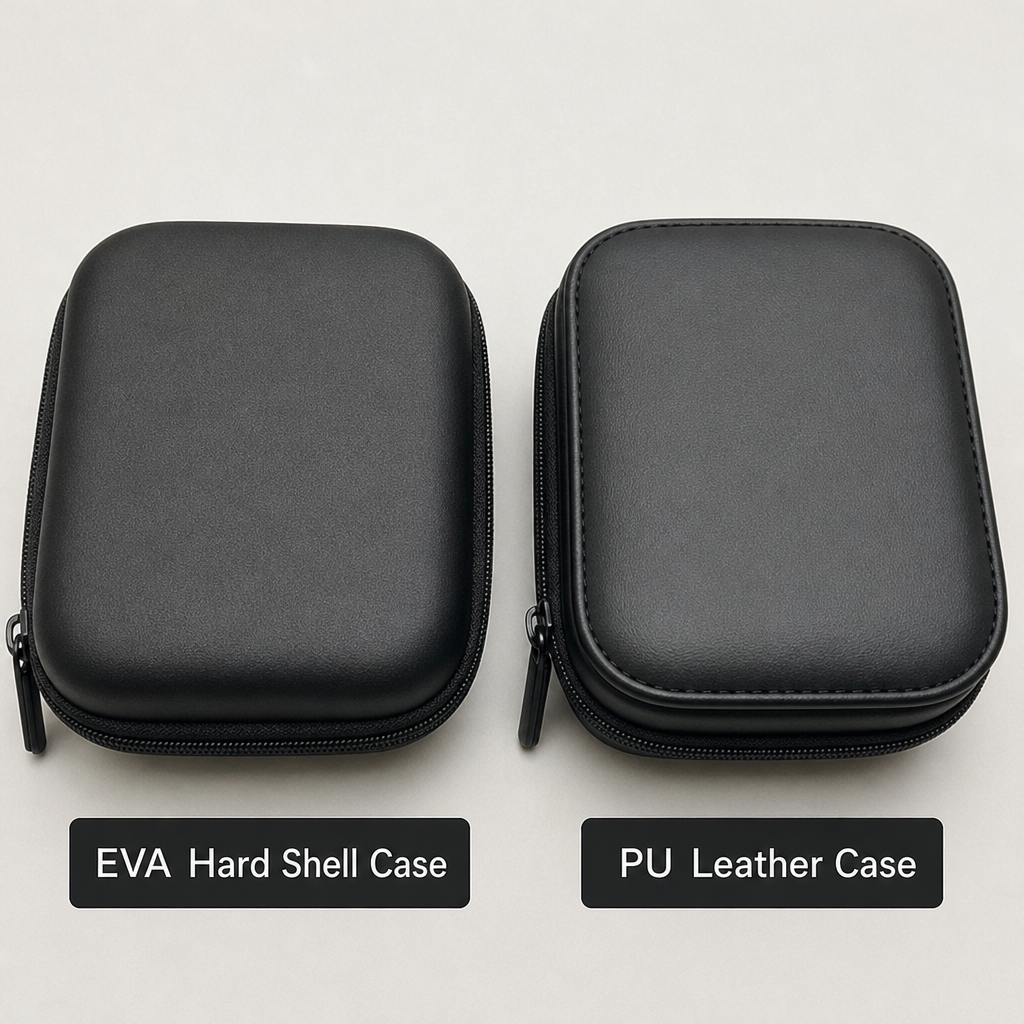
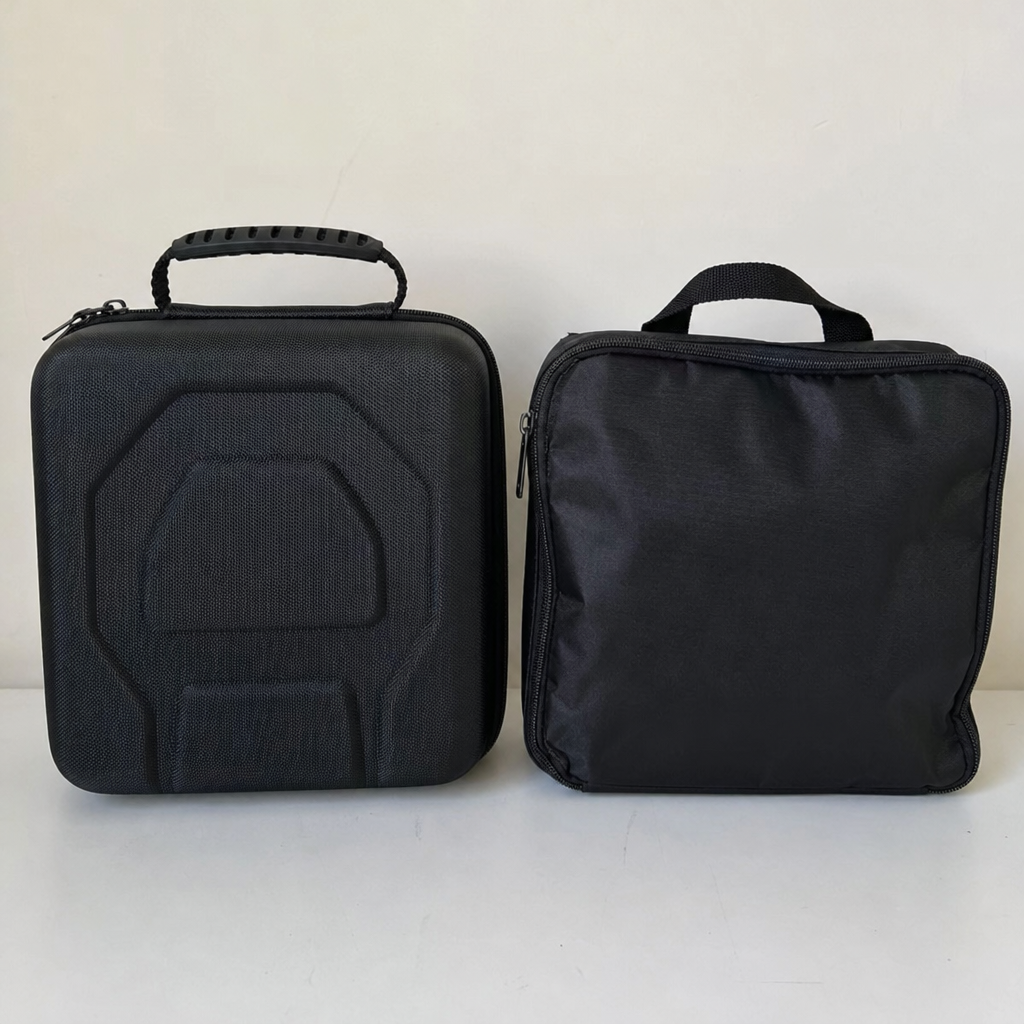
EVA cases are often semi-rigid. They hold their shape well, but they still have a little give. This makes them comfortable to carry, easy to fit into bags, and useful for products that need a protective shell without feeling heavy or industrial.
An ABS hard case, by contrast, feels firm and structured in the hand. It is less likely to flex under pressure and is often chosen for items that need a stronger outer barrier. If a case may be placed under luggage, stacked in storage, or exposed to rougher handling, ABS can give a level of confidence that a softer case may not.
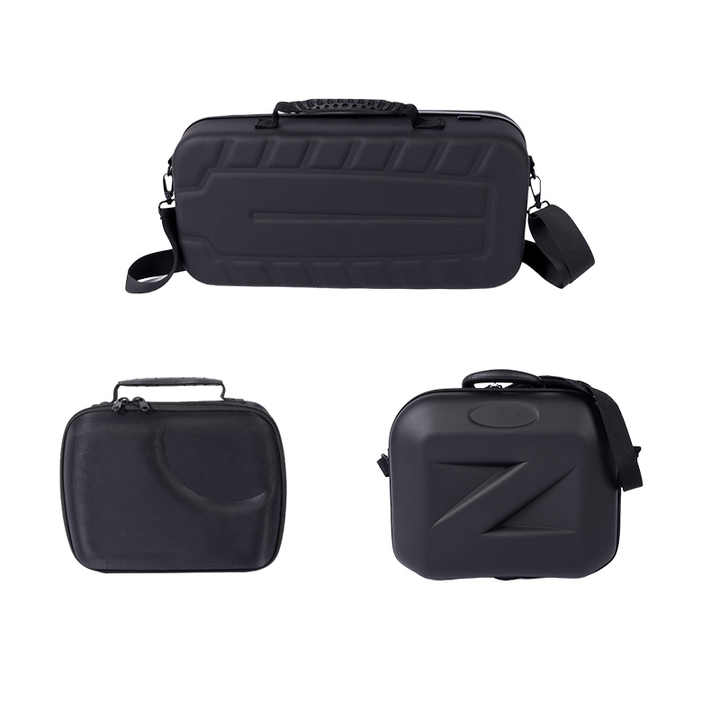
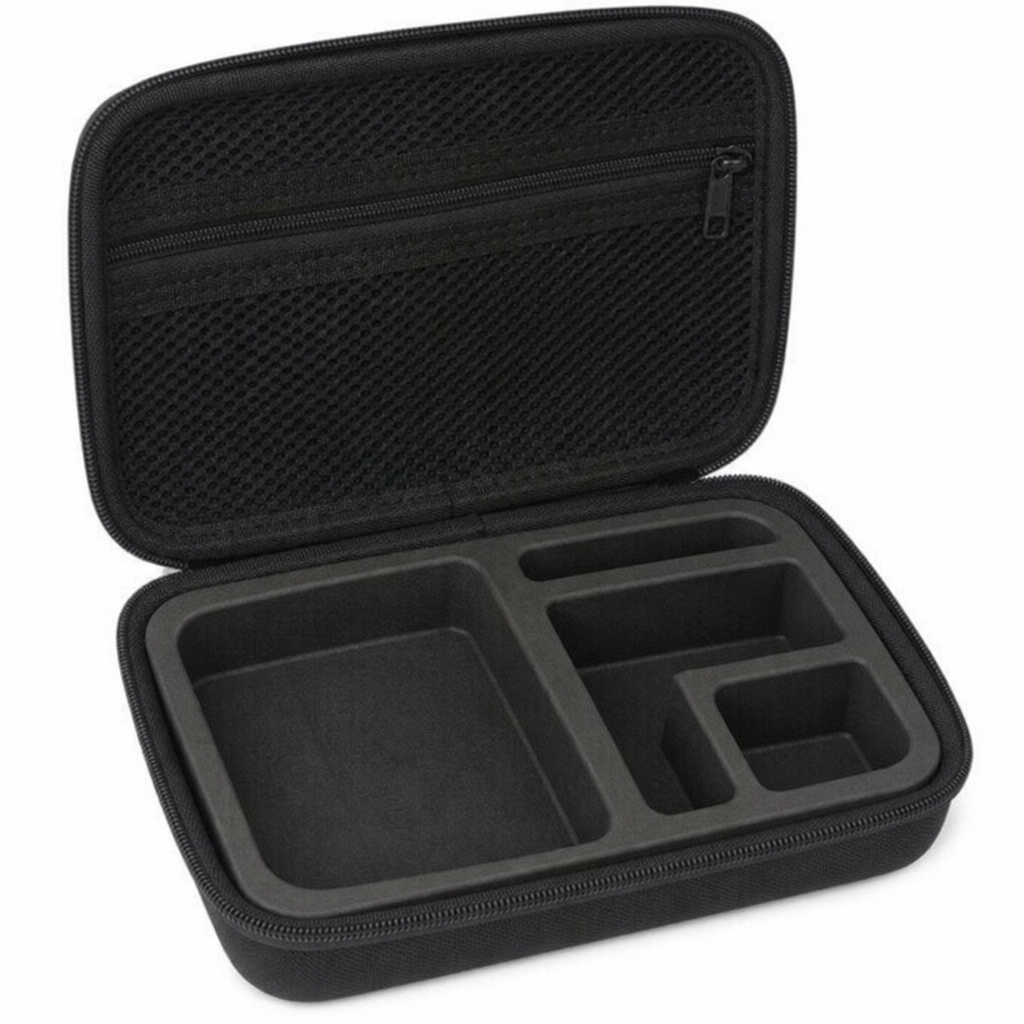
The design process also differs. EVA is often molded into custom shapes, with smooth curves, raised surfaces, and internal compartments. ABS supports a crisp hard-shell look with defined edges, reinforced corners, latches, hinges, and a more mechanical style.
Protection factors to compare before choosing
When you evaluate EVA Case vs. ABS Hard Case: Key Differences in Protection and Design, do not judge by the shell alone. A strong case also depends on the interior layout, closure quality, padding, and how closely the item fits inside.
Key protection factors include:
- Impact absorption: EVA is useful for absorbing minor drops and vibration, especially when paired with molded interiors or foam inserts.
- Crush resistance: ABS usually performs better when the case may be squeezed, stacked, or pressed by heavier objects.
- Scratch resistance: ABS can protect contents well, but the outer shell may show scuffs depending on the finish. EVA fabric-covered cases can hide light wear but may pick up dirt.
- Water and dust resistance: Both materials can support protective designs, but true resistance depends on zippers, seals, seams, and closures.
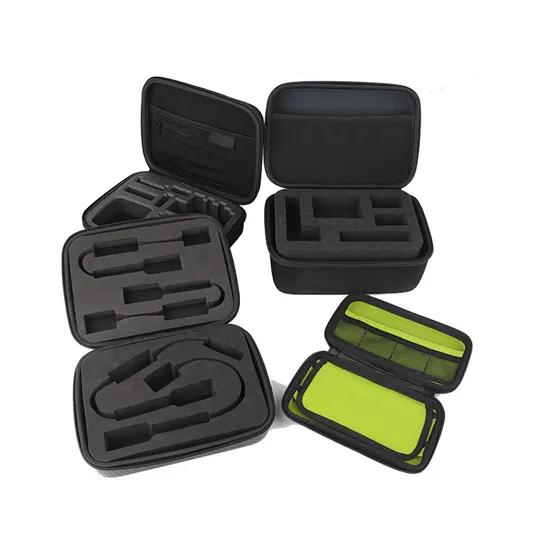
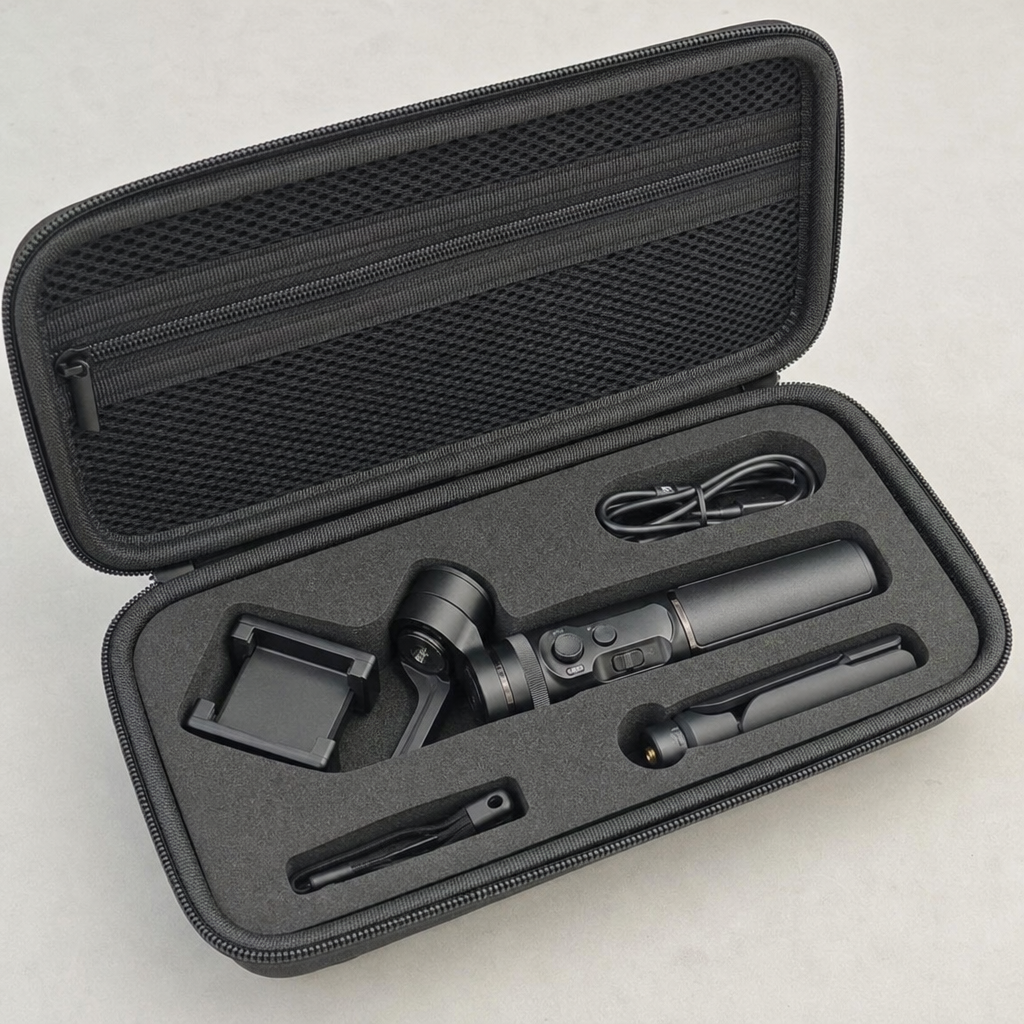
- Interior stability: A snug molded insert can matter more than the outer shell if the item is delicate and should not shift during transport.
For instance, an EVA case can effectively protect a pair of headphones by cushioning the product and remaining lightweight in a backpack. A tool, camera accessory, or device may need ABS for extra protection during storage or transport.
How does design differ between EVA and ABS cases?
EVA cases usually offer more rounded, soft-touch, and compact design options, while ABS hard cases lean toward rigid, angular, high-structure designs. People often choose EVA when they want the case to look sleek, lightweight, and consumer-friendly. People commonly choose ABS when they want the case to communicate durability, security, and a more heavy-duty purpose.
EVA works well for custom contours. You can mold it around the general shape of a product, making the case feel tailored rather than generic. This is handy for things like portable chargers, gaming accessories, grooming tools, medical items, and branded kits.
ABS offers a different kind of design value. It can support stronger hardware, such as latches, handles, hinges, feet, and reinforced corners. This is good for serious uses where the case is part of the product’s professional image, not just for storage.
Weight, portability, and everyday handling
One of EVA’s biggest advantages is portability. EVA cases are typically lighter than comparable hard plastic cases, which makes them appealing for daily carry products. If the user will open, close, pack, and carry the case frequently, a lighter design can make the product feel easier to live with.
ABS cases tend to feel more substantial. That can be a benefit when the product needs a durable, protective presence, but it can also add bulk. For small items carried in bags, extra stiffness may not be needed for everyday use.
A simple way to decide is to picture the user’s routine. If you handle the case every day and store it with other light items, EVA may be the more practical choice. If the case will sit in a work vehicle, warehouse, checked luggage, or equipment room, ABS may be worth the extra structure.
A practical comparison for product teams and buyers
Use this quick comparison as a starting point for your own hard case review. The best choice should reflect the product’s risk level, user expectations, and desired brand impression.
| Factor | EVA Case | ABS Hard Case |
| Feel | Lightweight, semi-rigid, slightly flexible | Rigid, firm, structured |
| Best for | Everyday carry, molded cushioning, compact storage | Heavy-duty protection, stacking, rougher handling |
| Design style | Rounded, soft, custom-molded, fabric-covered options | Hard-shell, angular, technical, professional look |
| Protection strength | Good shock absorption for routine bumps | Strong crush and impact resistance |
| Portability | Easier to carry for daily use | More protective but often bulkier |
| Common closures | Zippers, elastic straps, molded inserts | Latches, hinges, handles, seals depending on design |
This comparison is not a rulebook. A premium EVA case with a smart interior can outperform a poorly designed rigid case for certain products. Likewise, a well-built ABS case can be the safer choice when the contents are expensive, sensitive, or exposed to rough handling.
When should you choose EVA?
Choose EVA when the product needs reliable protection, a custom fit, and a lighter user experience. EVA is especially useful when the case is part of everyday use rather than only long-term storage. It can feel approachable, modern, and easy to carry while still offering meaningful protection.
EVA is a strong fit when:
- The product is portable and used often.
- The main risks are bumps, scratches, and light drops.
- The case should look slim, rounded, or retail-friendly.
- Custom internal shaping would improve organization.
- Weight and comfort matter as much as protection.
Also a good option when branding and surface finish are important. Many EVA cases can incorporate fabric textures, embossed details, printed elements, or molded shapes to enhance a polished product presentation.
When ABS is the smarter choice
ABS becomes more compelling when the contents need a firm protective barrier. If crushing, stacking, tool contact, or rough transport are realistic concerns, the rigidity of ABS can make a noticeable difference. It gives the case a more defensive structure around the product.
An ABS hard case is often the better direction when the item is heavier, more fragile, or used in professional settings. The material can support a more secure closure system and a stronger outer form. For products that need to feel rugged, technical, or high-value, ABS may also create the right first impression.
Still, ABS is not always necessary. If making it stiffer adds unnecessary expense or weight, EVA might offer a better user experience. Protection should be built around actual use, not just the idea that harder always means better.
Final takeaway
Choosing between EVA and ABS cases depends on how well they protect and suit the product’s needs. EVA is lightweight, cushioned, and design-flexible, making it ideal for everyday carry and custom molded presentation. ABS is rigid, protective, and structurally strong, making it better for demanding handling, heavier contents, and professional storage needs.
Before you choose, consider what the case must protect against, how often you will carry it, and what message the design should send. A good case is not just a container. Part of the product experience from the first touch to daily use.
Q&A
Question: Is an ABS hard case always more protective than an EVA case?
Short answer: Not always. ABS is tough, rigid, and crush-resistant, making it ideal for rough handling, stacking, or storage. A well-designed EVA case with a molded insert can protect lightweight items from bumps, vibration, and light drops.
Question: Which case type is better for products that are carried every day?
Short answer: EVA is often the better choice for daily carry because it is typically lighter, slightly flexible, and easier to fit into backpacks, purses, drawers, or office bags. It works especially well when the product needs cushioning and organization without the bulk of a fully rigid shell.
Question: What matters besides the outer case material?
Short answer: Interior design, closure quality, padding, fit, seams, seals, and how much the item moves inside the case all matter. A sturdy shell isn’t enough if the product moves or if the closure doesn’t work properly.
Question: When should product teams choose ABS instead of EVA?
Short answer: ABS is the smarter choice when the contents are heavy, fragile, expensive, or likely to face crushing, stacking, tool contact, checked luggage, warehouse storage, or rougher handling. It also fits products that need a rugged, technical, or professional appearance.
Question: Can EVA cases still look premium and branded?
Short answer: Yes. EVA supports custom molded shapes, rounded contours, fabric textures, embossed details, printed elements, and organized interiors. This makes it a strong option when presentation, portability, and a polished consumer-friendly feel are important.