Discover how to choose an EVA case for electronic accessories with our expert guide. Learn about sizes, custom cases, and optimal fit for ultimate protection.
How to Choose an EVA Case for Electronic Accessories
An EVA case for electronic accessories should fit your complete kit, keep individual items organized, and suit the conditions in which you carry it. Start with your equipment and daily routine, then compare usable dimensions, interior layouts, construction, and documented protection. Whether you need a compact cable organizer or custom EVA cases for a product line, the best choice is the one that works when fully packed—not just when photographed empty.
What makes an EVA case suitable for electronic accessories?
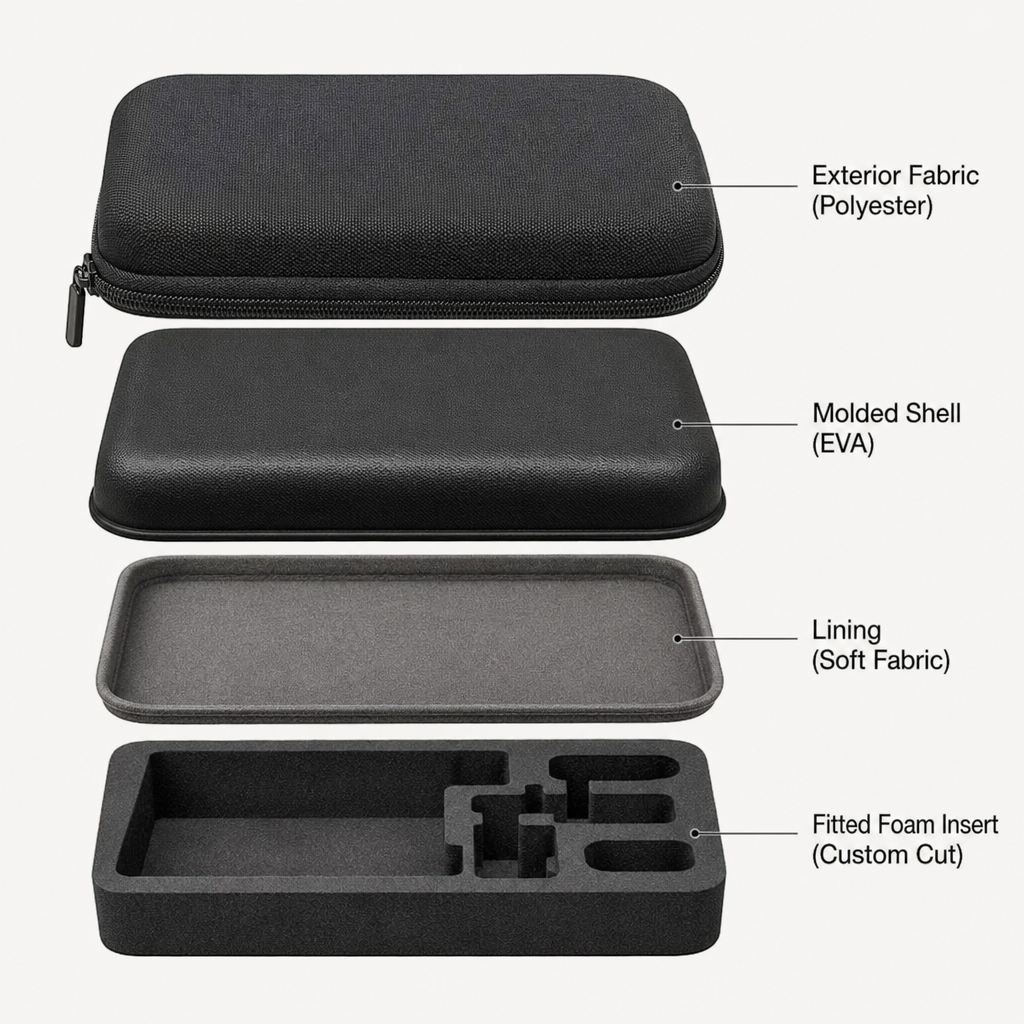
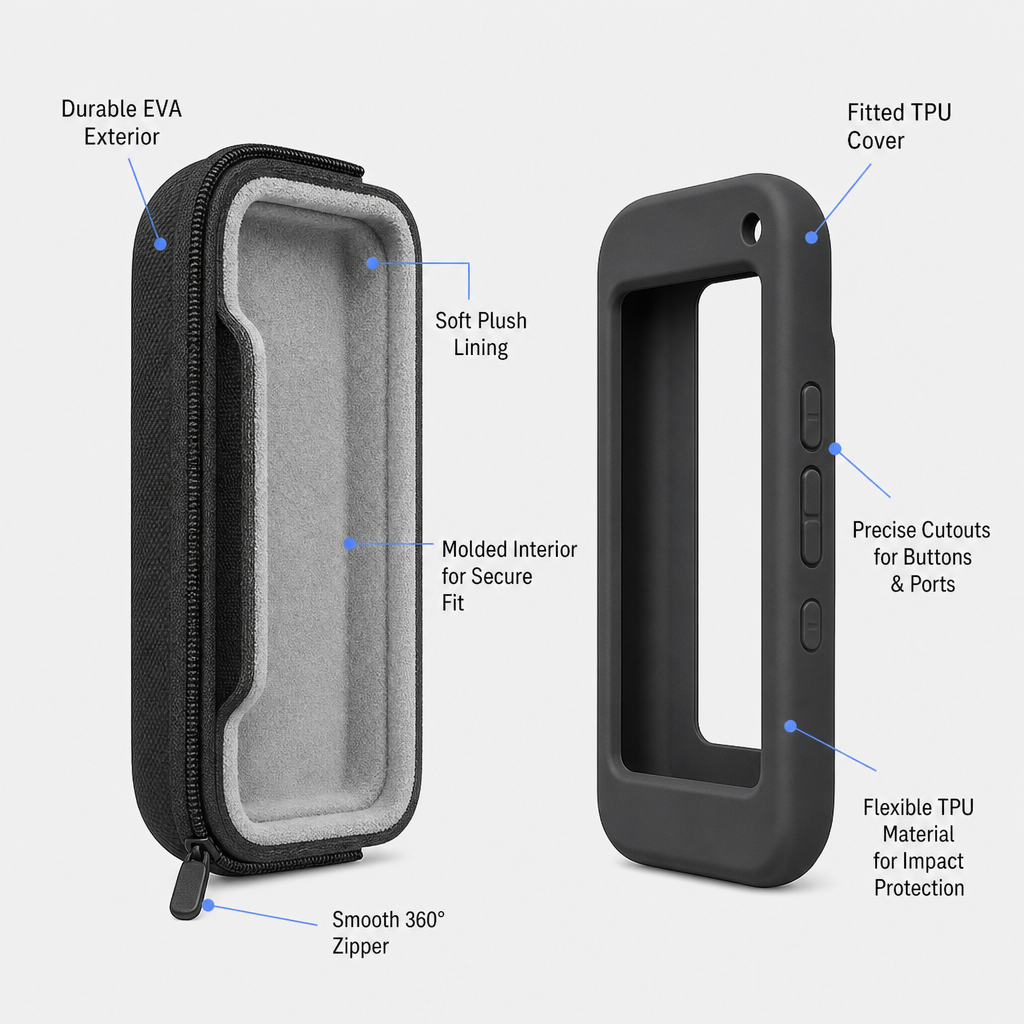
EVA, short for ethylene-vinyl acetate, is used in molded cases that combine a shaped protective structure with the portability associated with softer bags. Manufacturers can tailor the exterior contour and interior layout around electronics and their accessories. That makes EVA worth considering when you want an organized carrying solution rather than a loose pouch.
Still, the material name is only a starting point. Evaluate the finished case: its dimensions, lining, closures, retention features, and how your equipment sits inside it. Ask the supplier to explain what protection the complete construction provides rather than treating “EVA” as a performance rating.
Before browsing, write down three things:
- Your complete kit: Include chargers, adapters, cables, receivers, and small removable parts—not only the main device.
- Your carrying routine: Note whether the case goes inside a backpack, travels separately, or stays in a drawer.
- Your main concern: Prioritize organization, surface protection, movement control, or verified environmental protection.
Use those priorities to reject unsuitable options early.
Start with usable space, not exterior dimensions
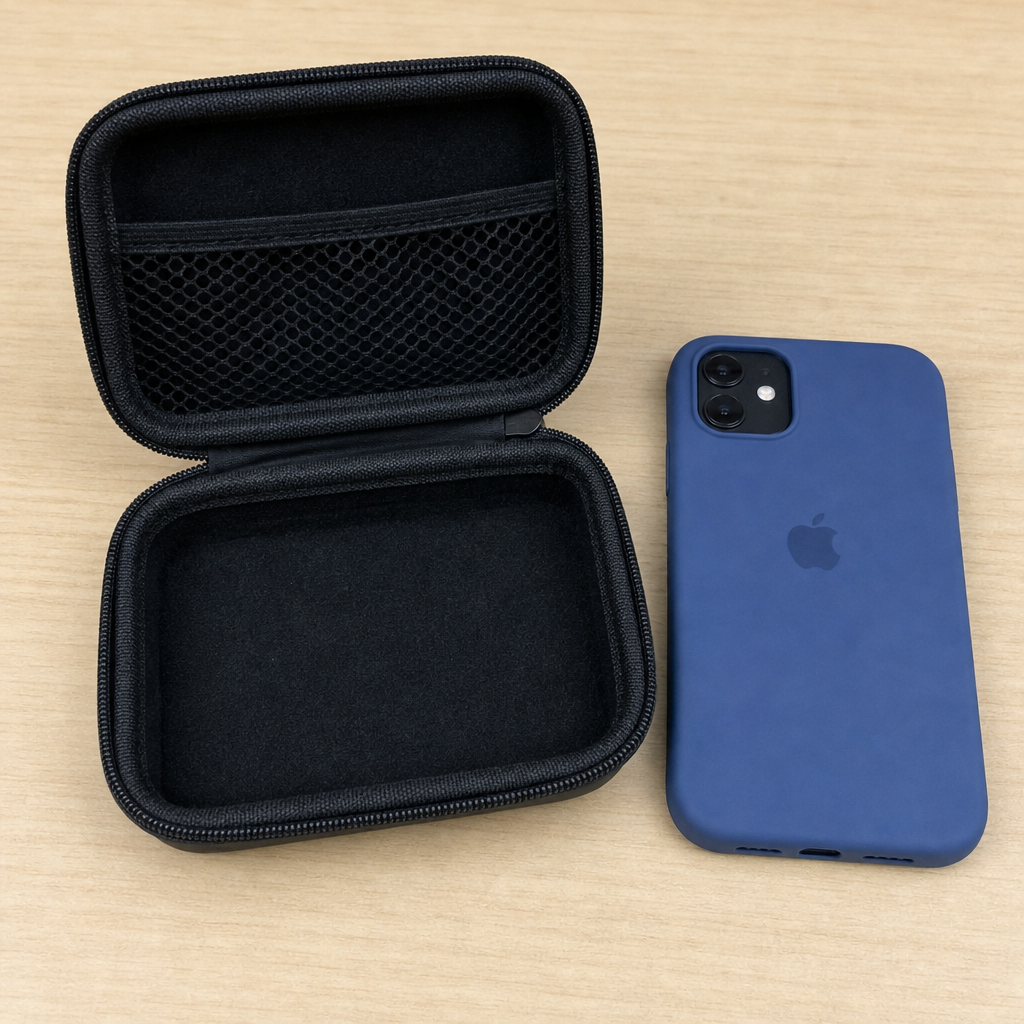
Ask for usable internal dimensions before deciding that a case fits. Exterior measurements alone do not tell you whether your planned arrangement works with the lining, pockets, and closure in place. For a custom project, request a layout drawing showing the intended positions of every component.
Measure each item in the condition in which you intend to pack it. Include any protective sleeve you plan to leave fitted, protruding controls, and cable connectors. Then arrange everything on a table and measure the complete layout rather than simply adding individual dimensions together.
Use this sequence to check fit:
- Identify the largest item. Establish its length, width, and height in the intended storage position.
- Place the accessories. Give chargers, plugs, and cable bundles their own locations.
- Check the lid space. Ask whether filled lid pockets leave room above the equipment.
- Confirm removal access. Make sure you can grasp each item without pulling on a cable.
- Test the closed case. Reject a layout that requires squeezing or rearranging everything to close it.
Avoid choosing extra capacity without a purpose. Reserve space for a specific planned addition, not an undefined collection of future gadgets.
Choose an interior that matches your routine
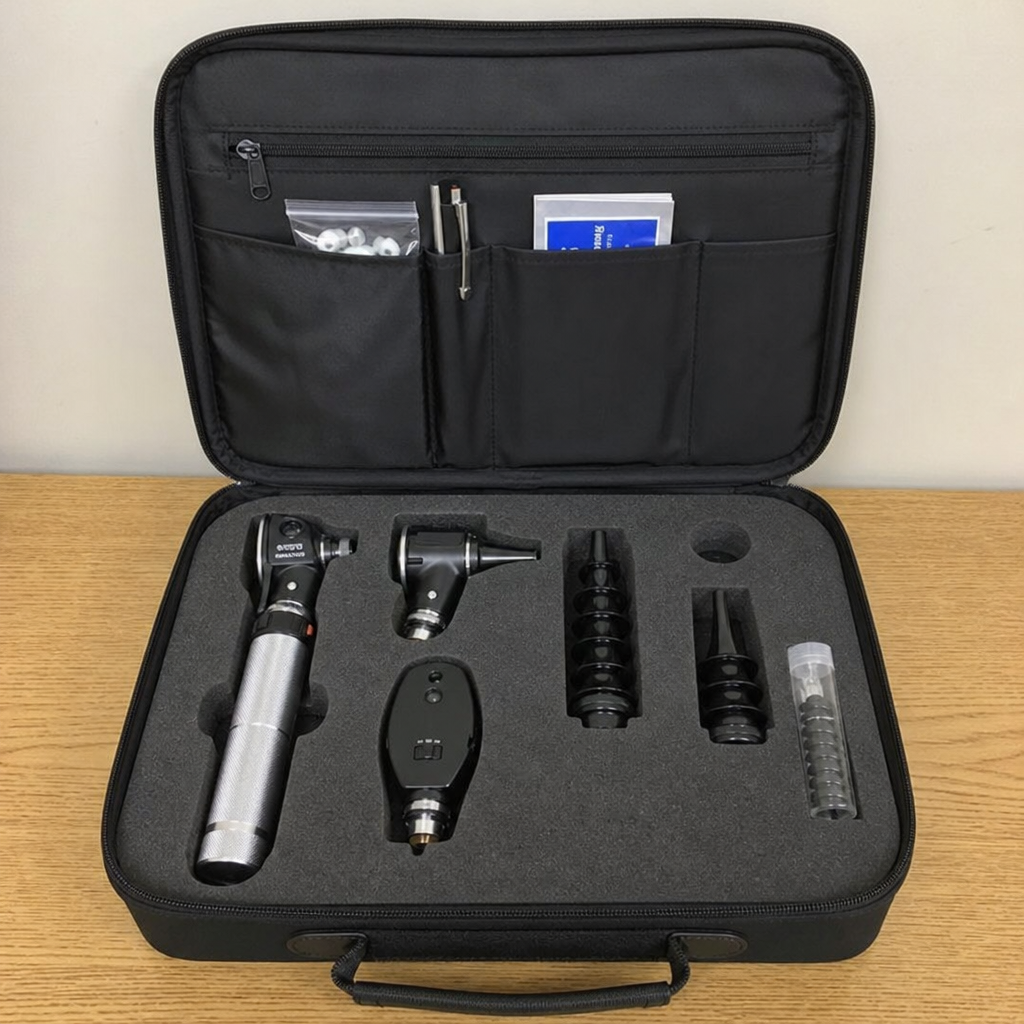
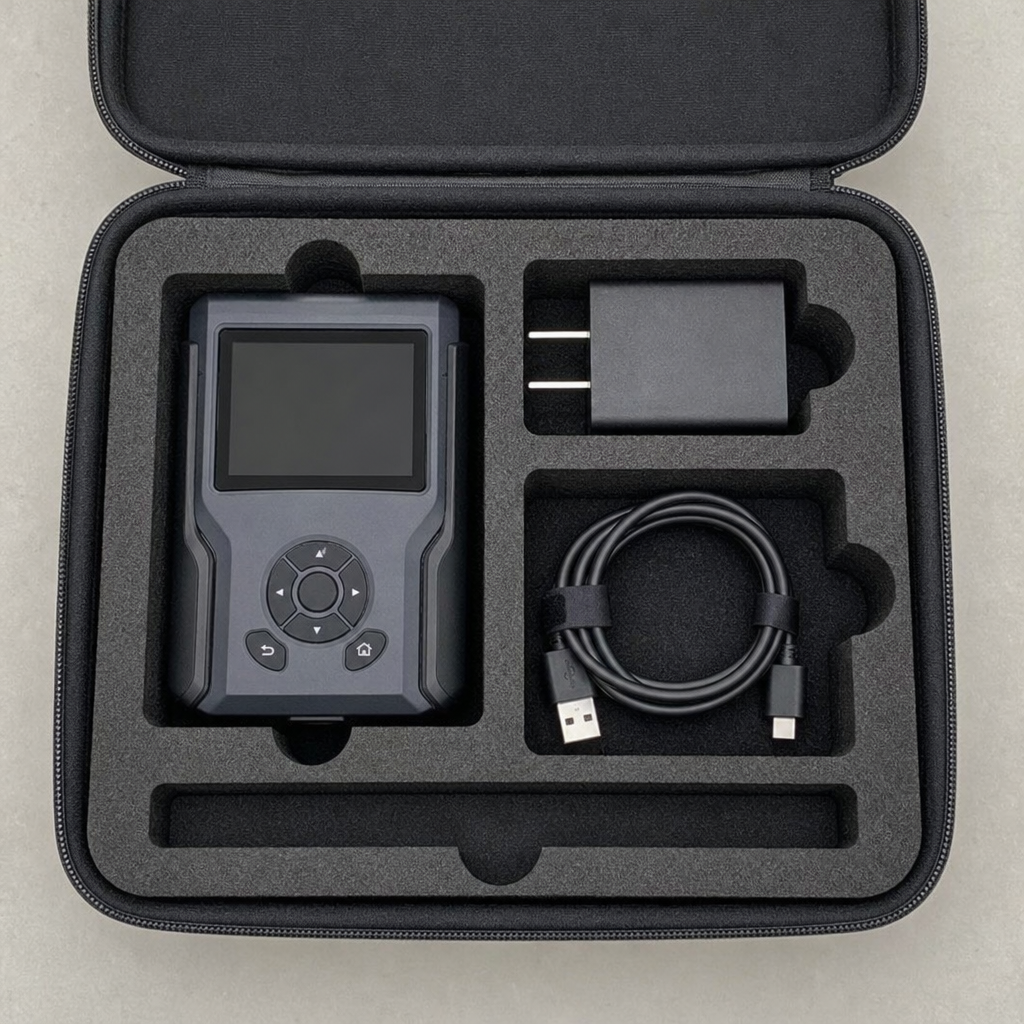
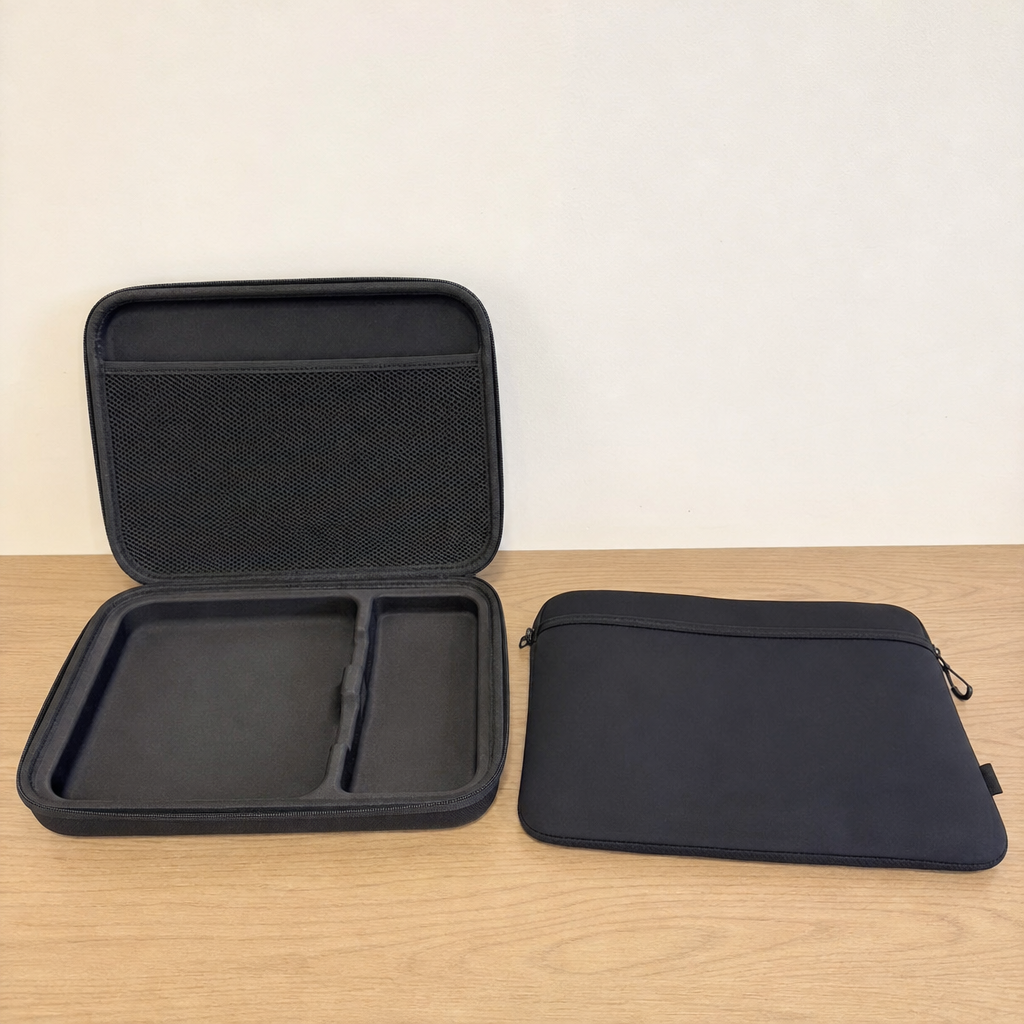
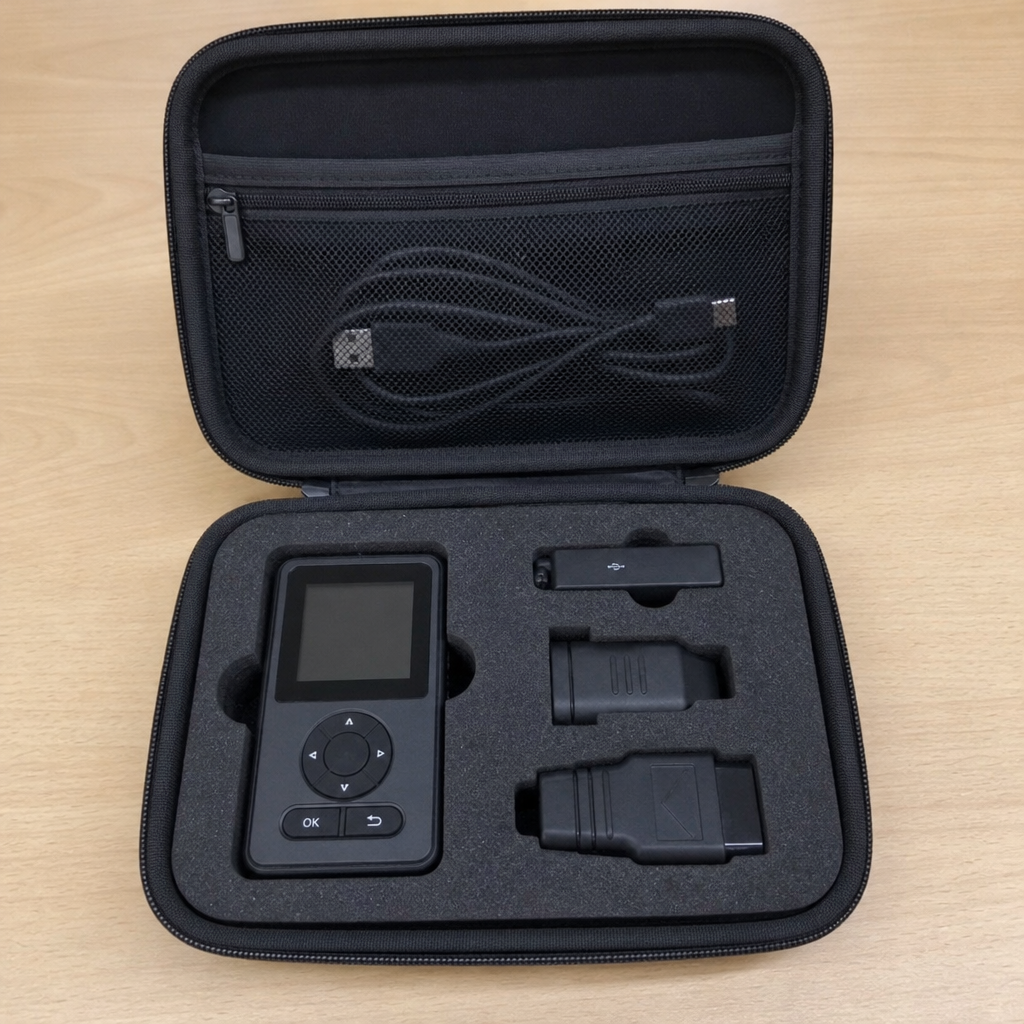
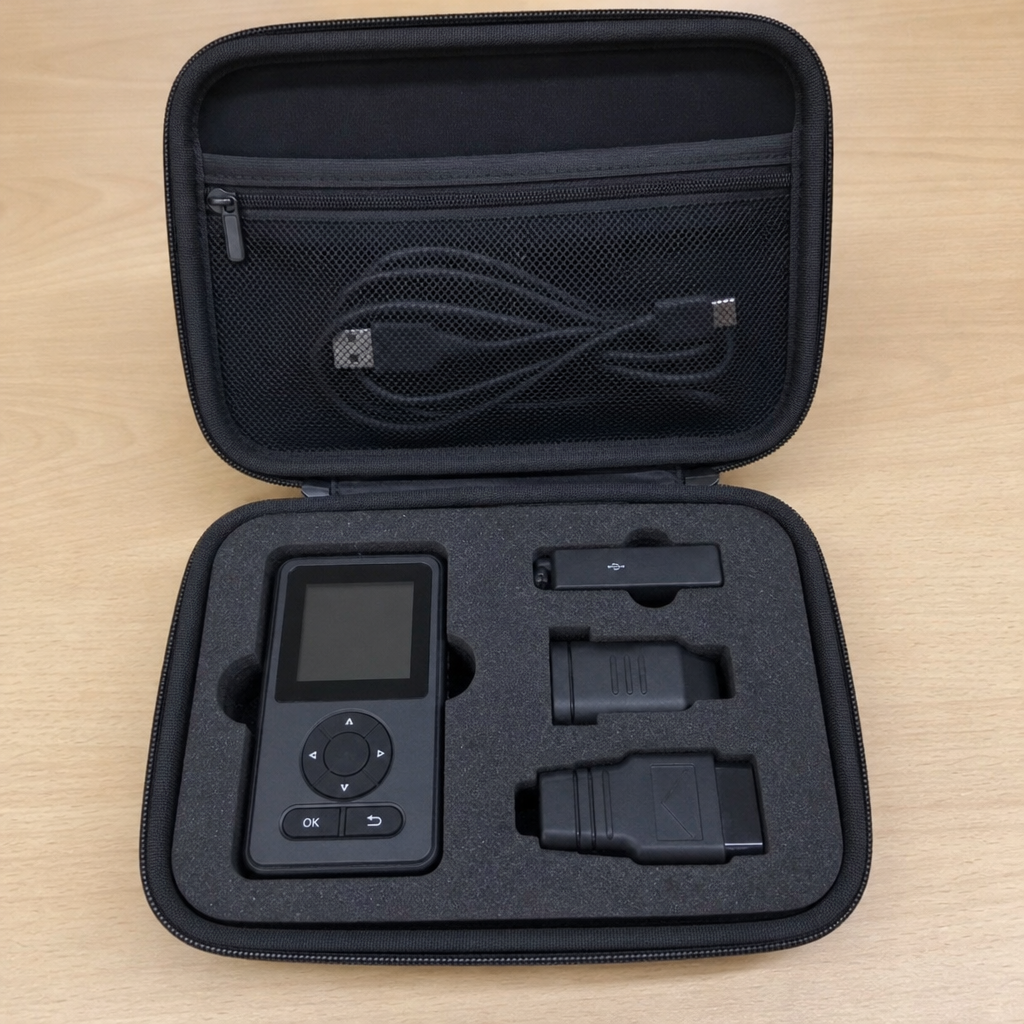
EVA electronics cases can incorporate shaped foam cavities, mesh pockets, and elastic retention. These are different ways to organize a kit, so compare them against the items you actually carry. Manufacturers also offer product-specific layouts rather than requiring every component to fit a standard compartment.
For a changing collection of cables and adapters, prioritize an arrangement you can adjust. For a fixed device kit, consider dedicated locations that make packing repeatable. Ask to see the interior loaded with equipment similar in shape to yours, or supply your own components for sample development.
Give small parts a deliberate home
Specify where tiny receivers, memory cards, and adapters should go instead of leaving them loose in a larger compartment. Check that you can reach them without unpacking unrelated equipment. If a pocket has a closure, try operating it with the case fully loaded.
Check contact between the two halves
Inspect what sits opposite delicate surfaces when the case closes. Ask for a divider or a revised layout if plugs and accessories would press against a device. Treat an attractive open-case arrangement as unfinished until you have checked the closed configuration.
How much protection do you actually need?
Choose protection according to the hazards you expect, and require evidence for claims that matter. Do not infer waterproofing, crush resistance, or drop performance from the case material alone. As a useful contrast, Pelican specifies an ABS shell, a pressure valve, and an IP67 rating for its G40 case, while listing EVA separately as the lining material.
For an organizer carried inside another bag, start by evaluating fit, separation, and closure security. For use around rain, dust, or substantial external loads, ask the supplier for documented performance of the exact finished case. If the supplier cannot substantiate a required feature, continue comparing alternatives.
Make protection questions specific:
- Does a water-resistance claim cover the complete case or only a material sample?
- What equipment load and test conditions support any drop-protection claim?
- Does the documentation apply to this size and construction?
- Are there limitations involving closures, seams, or how the case is used?
If your requirements exceed the evidence available for an EVA design, consider a documented protective hard case instead. The right category matters more than staying committed to your first choice.
Inspect closures, seams, and everyday handling
Zippers, handles, and shoulder straps are available design choices for EVA cases, not merely cosmetic extras. Case manufacturers identify these components as part of portability and enclosure design. Include them in your evaluation alongside the molded shape and interior.
On a sample, run the zipper around the entire perimeter several times. Check whether it catches the lining or becomes difficult at corners. Repeat the exercise with your full kit packed, because that is the configuration you will use.
Look closely at seams, edge finishing, pocket attachments, and the handle connection. Ask the supplier about any uneven stitching, exposed adhesive, or separating layers rather than assuming they are harmless. Carry the loaded case briefly and decide whether the handle position and grip feel practical.
Also test access in your usual setting. Open it on a small desk or beside your backpack, remove the item you use most, and put it back. A layout that feels awkward during this simple trial deserves revision before purchase.
When are custom EVA cases worth considering?
Custom EVA cases are worth considering when a standard case cannot accommodate your equipment layout, presentation requirements, or repeatable packing process. Customization can include case size, molded contours, interior organization, colors, and branding. Manufacturers may also offer prototyping and first-article approval as part of development.
For personal use, first check whether a stock case meets your needs. For a business supplying a device with accessories, prepare a complete kit specification before requesting quotations. Tell suppliers what must fit and how users should unpack it, rather than asking only for a logo and an exterior size.
Your inquiry should request:
- A proposed layout: Show every device, cable, and accessory in its intended position.
- A sample process: Clarify what you will review before approving production.
- Separate cost details: Ask about development, tooling, samples, unit production, and delivery.
- Order requirements: Confirm minimum quantities and arrangements for repeat orders.
- A written specification: Record the approved materials, dimensions, construction, and artwork.
If your kit may change, ask how that would affect the insert and shell. Resolve that question before approving a tightly fitted design.
Compare the complete solution before buying
Put shortlisted cases through the same practical review. Use the same equipment, packing arrangement, and acceptance criteria for each option. This keeps an appealing finish or a low initial quote from overshadowing a poor fit.
For a custom order, approve a representative sample rather than relying entirely on renderings. Cases By Source describes first-article approval and testing within its development process; ask prospective suppliers to explain their own approval stages and applicable checks. Keep the agreed sample details with your purchasing records.
Before committing, confirm:
- Everything fits without forcing the closure.
- Frequently used items remain easy to retrieve.
- Small accessories have secure, accessible storage.
- Required protection claims have supporting documentation.
- The price covers the configuration you evaluated.
- Sample approval, delivery expectations, and defect handling are clear.
Choose around the kit you carry
Start with your actual accessories, verify the packed fit, and match protection claims to evidence. Then assess organization and handling before considering appearance. A well-chosen EVA case should make your kit easier to carry and use without introducing awkward packing compromises.