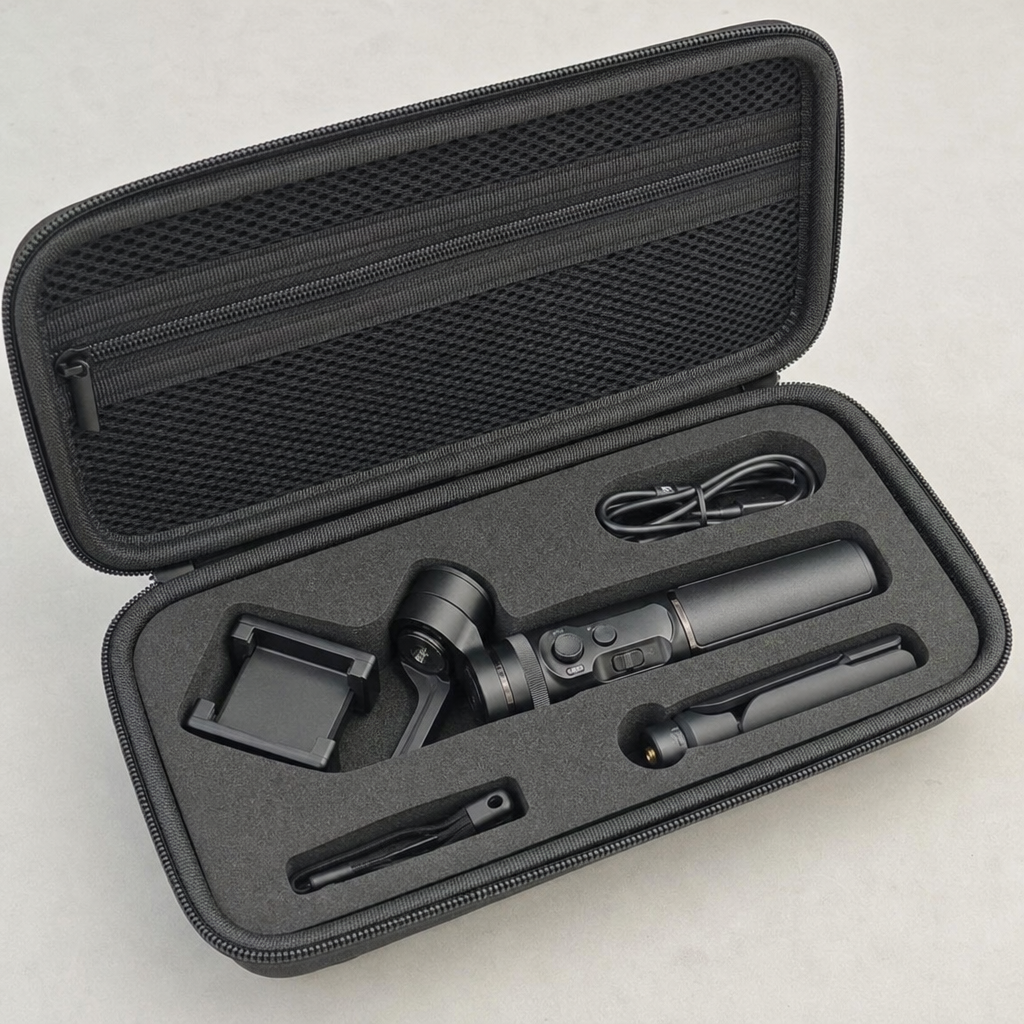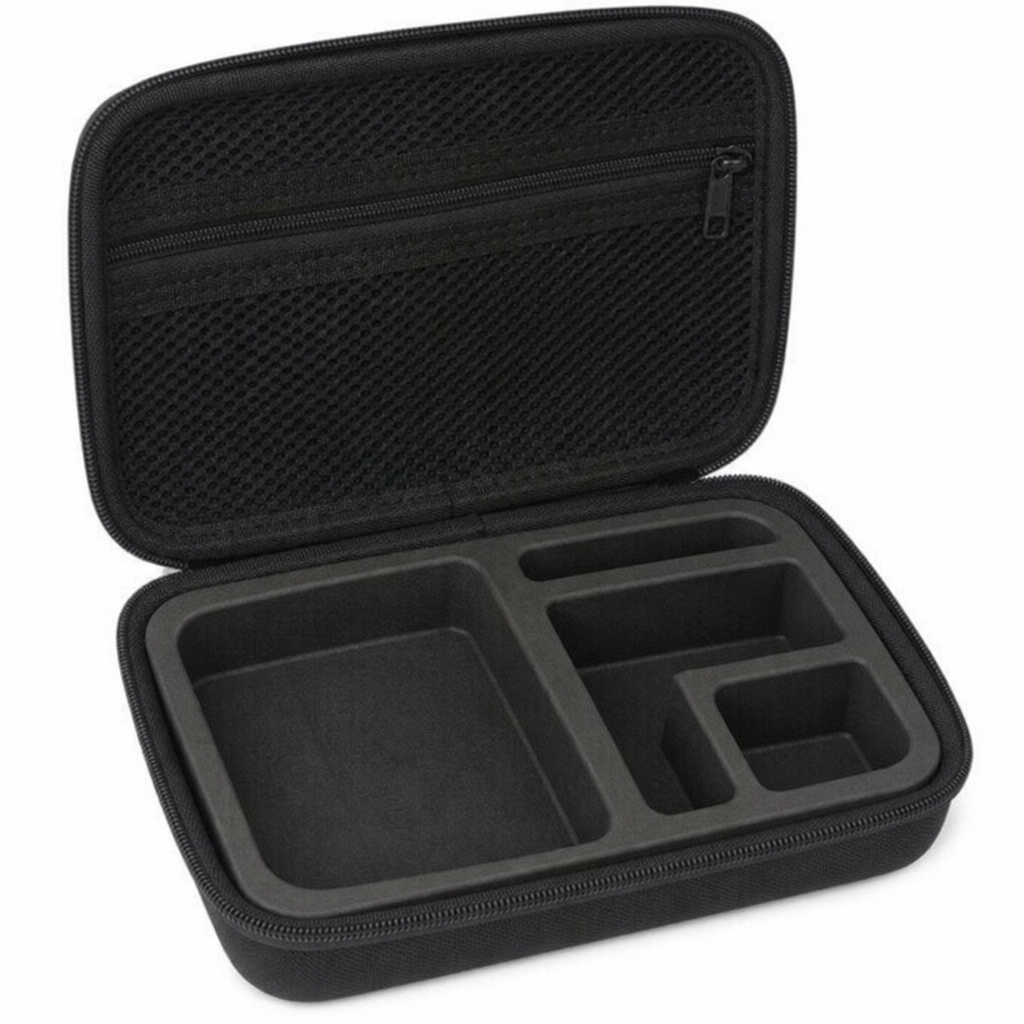
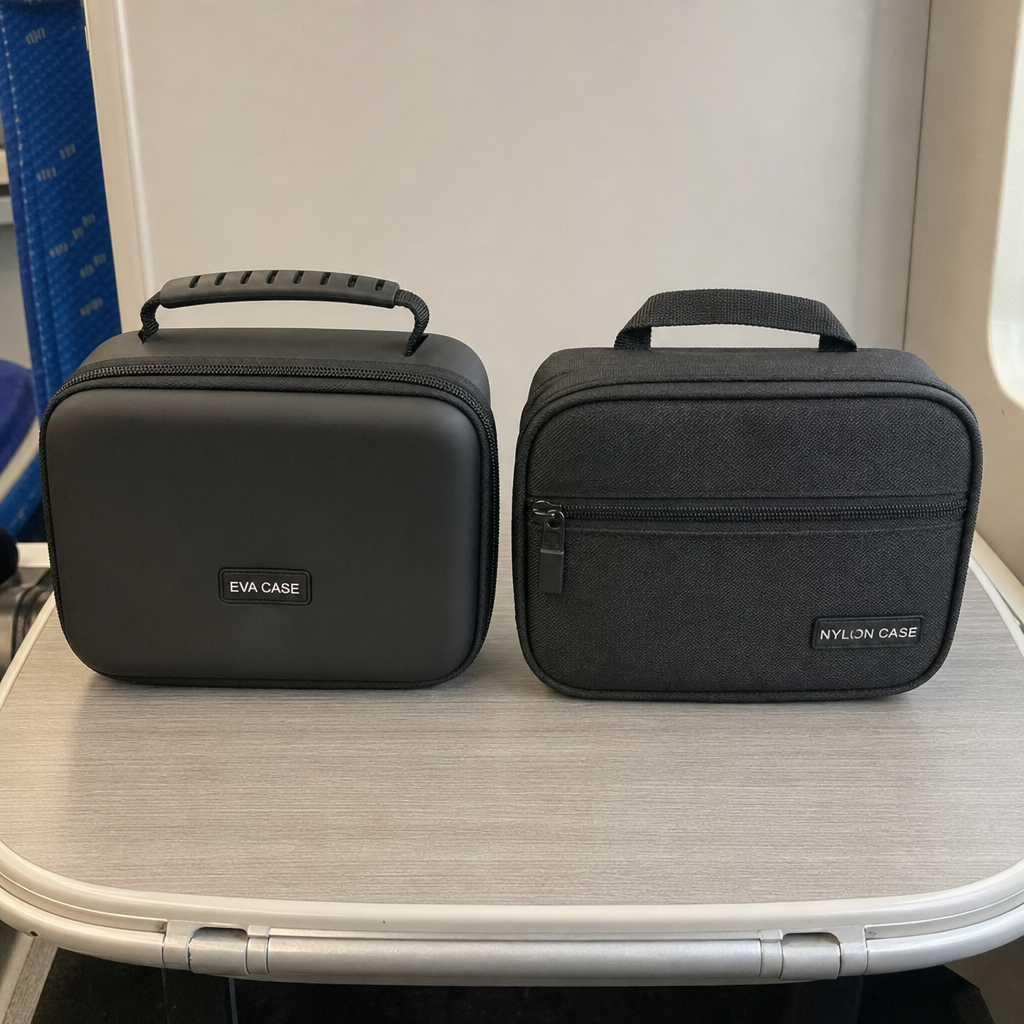
Choosing between EVA and nylon carrying cases comes down to how much protection you need, how often you travel, what you carry, and how much flexibility you want from the case. EVA cases generally feel more structured and protective, while nylon cases are often lighter, softer, and easier to pack into tight spaces. This guide compares durability, weight, cost, and everyday usability so you can choose the right travel cases, protective cases, or lightweight cases for your gear.
Which case material is better for your needs?
The better material depends on the balance you want between impact resistance, packability, weather resistance, and price. EVA is usually the stronger choice when the contents need a semi-rigid shell, cleaner shape, and more reliable crush protection. Nylon is often better when you want a soft, flexible bag that weighs less, folds down more easily, and adapts to changing loads.
Think first about what you are protecting. Headphones, electronics, medical devices, camera accessories, grooming tools, and compact instruments often benefit from molded eva cases because the shell helps keep pressure away from the item inside. Clothing, cables, gym accessories, travel toiletries, and everyday carry items may work well in nylon carrying cases because the contents are less fragile and benefit more from flexible storage.
A simple way to frame EVA vs. Nylon Carrying Cases: Durability, Weight, and Cost Compared is this: EVA is usually about structure, shape retention, and protection; nylon is usually about flexibility, lightness, and convenience. Neither material is automatically “best.” The right choice is the one that matches the risk level of what you carry.
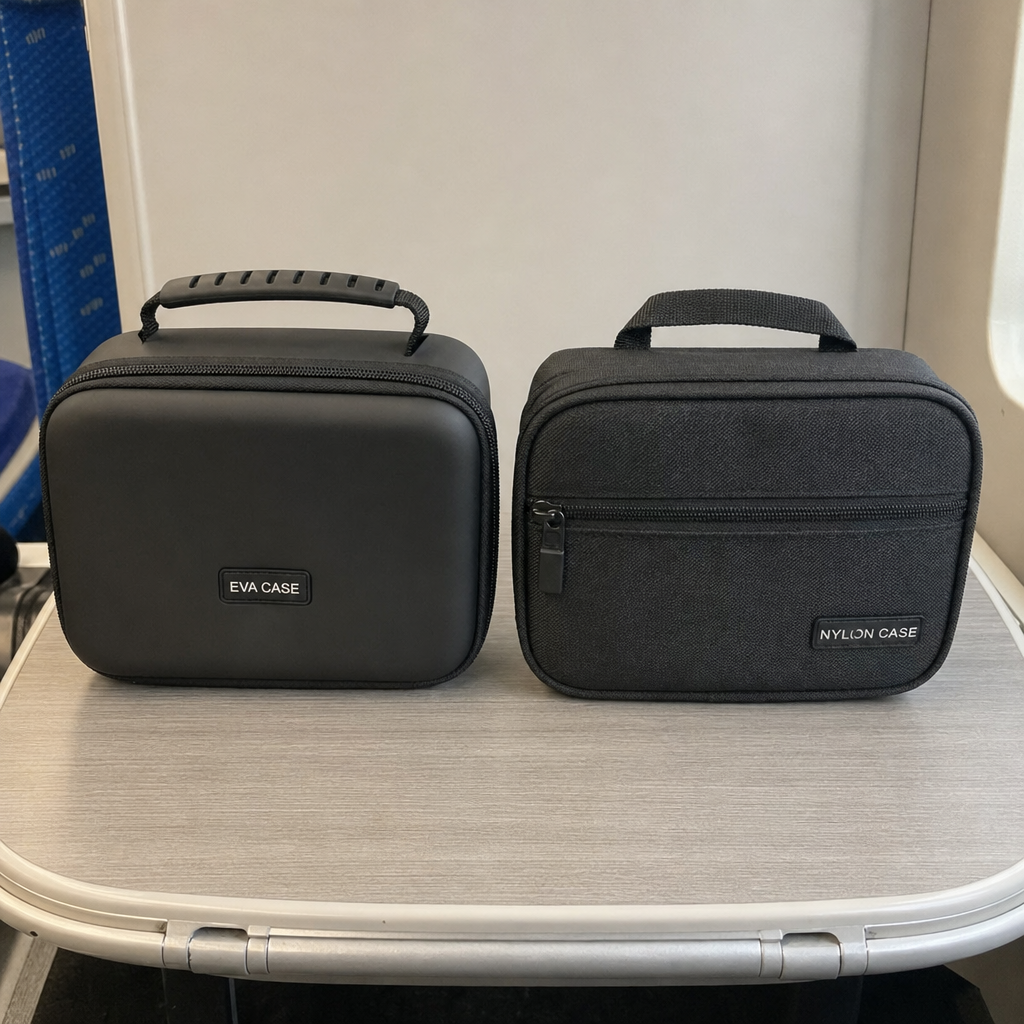
Understanding EVA carrying cases
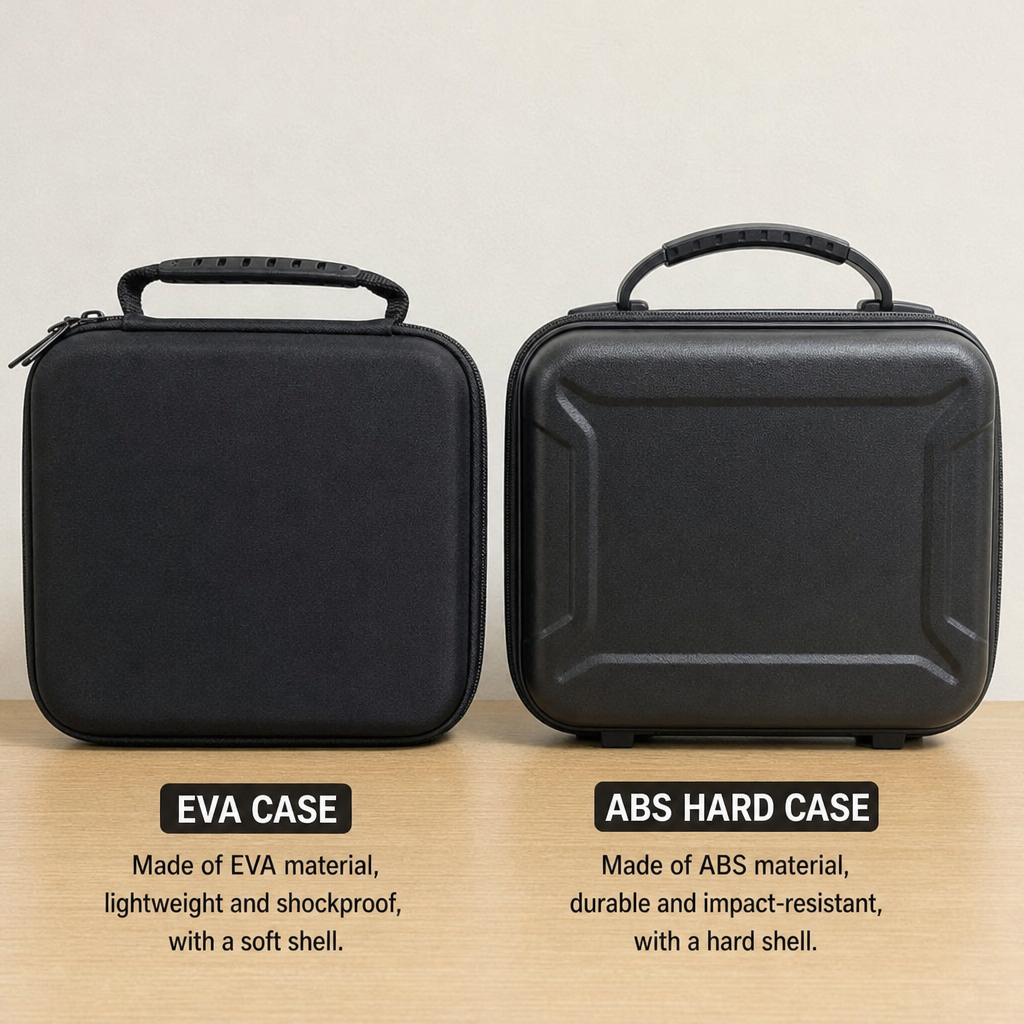
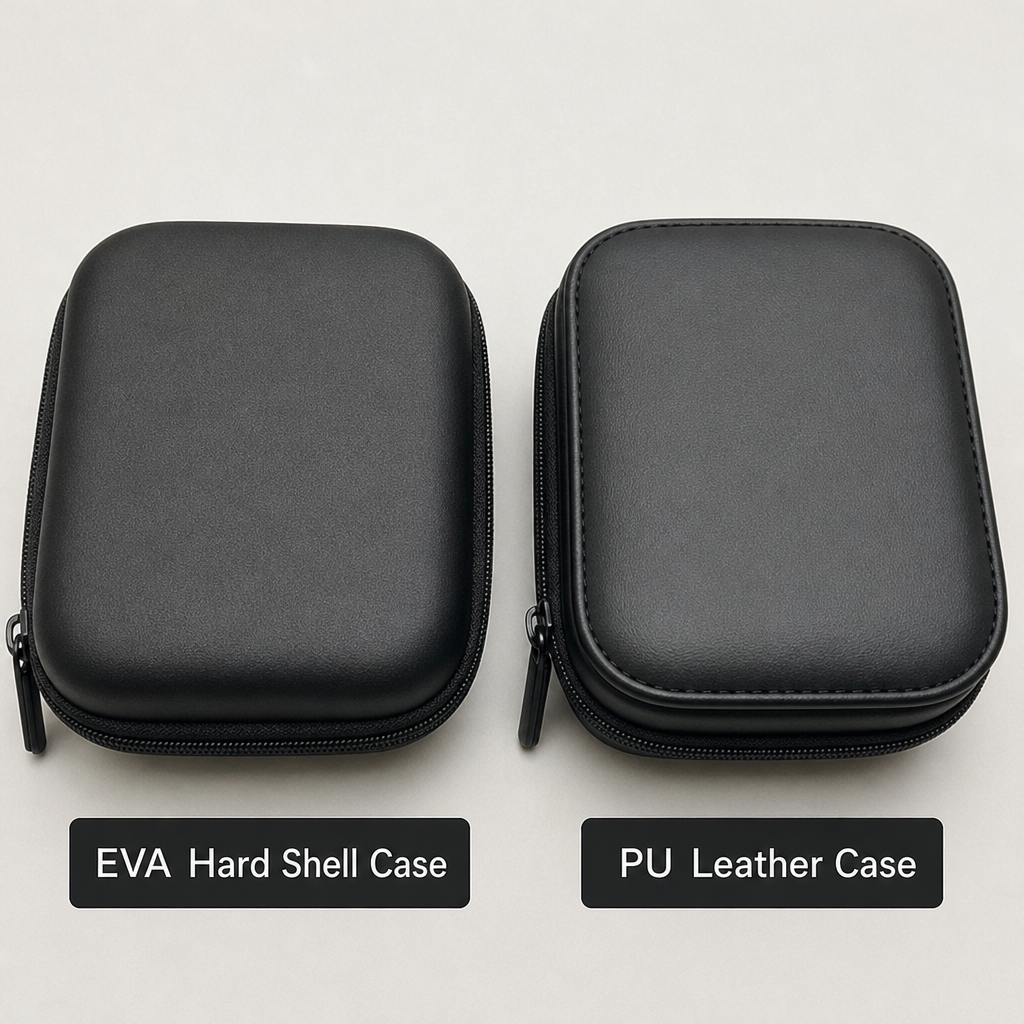
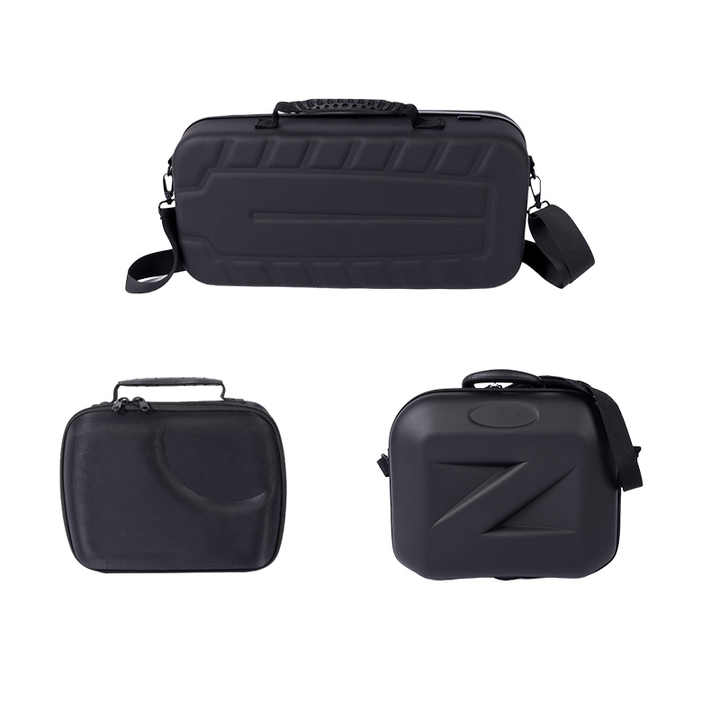
EVA stands for ethylene-vinyl acetate, a material commonly used in semi-rigid protective cases. It can be molded into a specific shape, which is why many eva bags and cases have a smooth shell, defined corners, and a snug interior layout. The material has a slightly cushioned feel, but it is firmer than a typical fabric bag.
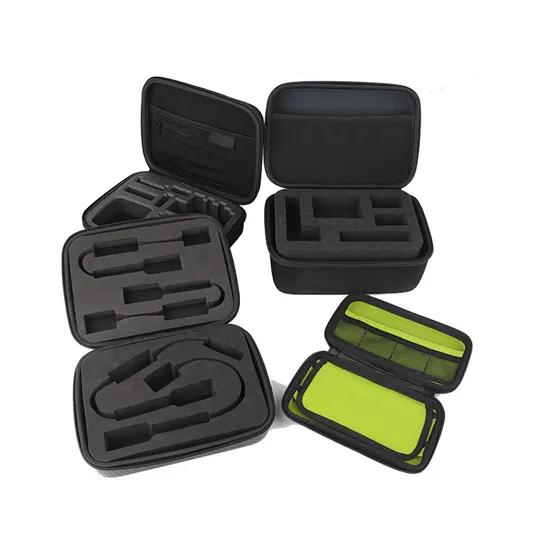
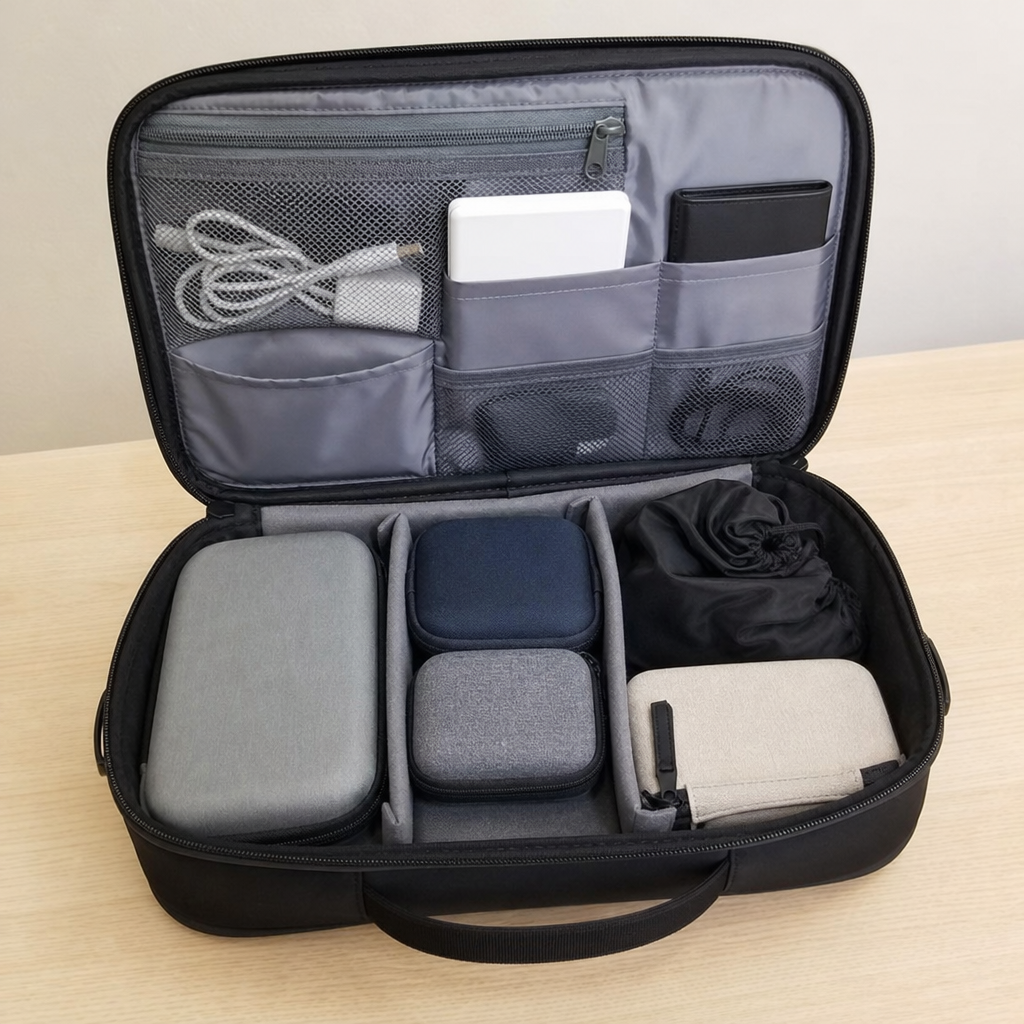
This molded structure is one of the biggest reasons people choose EVA. A case can be designed around a product or category of products, giving the contents a dedicated place to sit. For example, an EVA electronics case may include elastic straps, mesh pockets, foam inserts, or shaped compartments that reduce movement during travel.
EVA also tends to look tidy over time because it holds its form. If you want a case that keeps a neat silhouette in a backpack, suitcase, drawer, or retail package, EVA is often a good fit. It works especially well for small and mid-sized protective cases where organization matters as much as impact resistance.
Understanding nylon carrying cases
Nylon is a woven synthetic fabric used in many soft-sided bags, pouches, backpacks, organizers, and travel cases. It is valued for its light weight, flexibility, and broad range of finishes. Depending on construction, nylon cases can feel thin and packable or thick and rugged.
Unlike EVA, nylon usually does not provide a molded shell on its own. Its protection comes from the fabric weight, stitching, padding, lining, zippers, and any added foam or reinforcement. A simple nylon pouch may protect against scratches and light scuffs, while a padded nylon case can provide better everyday cushioning.
The biggest strength of nylon is adaptability. It can expand slightly, compress when not full, and fit into awkward spaces more easily than a hard-shaped case. If your load changes from day to day, nylon carrying cases can be easier to live with because they are less rigid and less bulky when partially empty.
Durability depends on the kind of stress
Durability is not one single quality. A case may resist crushing well but show scuffs, or it may resist abrasion well but offer limited protection against pressure. EVA and nylon perform differently depending on whether the stress comes from impact, scraping, moisture, stretching, or repeated use.
EVA is generally strong against dents, bumps, and pressure that could harm delicate contents. Its semi-rigid body spreads force across the shell, helping reduce direct contact with the item inside. That makes eva cases useful for products that should not be squeezed, bent, or jostled too much.
Nylon is generally strong against bending, rubbing, and repeated handling, especially when made with durable fabric and reinforced stitching. A nylon bag can flex instead of cracking, which helps when it is stuffed into luggage or used in rough everyday environments. However, a thin nylon case without padding may not prevent crushing if something heavy lands on it.
Where EVA tends to win
EVA is often the better durability choice when the contents are fragile or shaped in a way that needs space around them. The case can preserve a protective cavity, even when packed beside other items. This is valuable for electronics, small tools, controllers, lenses, and accessories with buttons, screens, or delicate finishes.
EVA also helps with long-term shape retention. If you want a case to keep its profile rather than sag, wrinkle, or collapse, EVA has an advantage. This makes it a popular choice for branded product cases and kits where presentation matters.
Where nylon tends to win
Nylon can be more forgiving in situations where the case is dragged, folded, overpacked, or frequently handled. It is less likely to feel bulky in a crowded bag, and it can absorb the realities of daily movement. If the fabric is dense and the seams are well made, a nylon case can last a long time under normal use.
Nylon also gives designers more options for pockets, straps, handles, loops, and exterior compartments. If the case needs to function more like a small organizer or utility pouch, nylon may offer better everyday convenience.
Weight and portability shape the travel experience
Weight matters most when you carry the case all day, pack several cases together, or travel with strict baggage limits. Lightweight cases make a noticeable difference when every ounce counts, especially for commuters, frequent flyers, field workers, students, and anyone organizing multiple accessories.
Nylon usually has the edge for pure lightness, particularly in simple pouch-style designs. Because it does not need a molded shell, it can be made thin and flexible. It also compresses more easily, which helps when you need to save space in a backpack or suitcase.
EVA can still be lightweight, especially compared with hard plastic or metal cases. Many eva bags offer a strong protection-to-weight ratio because the shell is firm without being extremely heavy. The tradeoff is bulk: even when an EVA case is not heavy, it usually occupies a fixed amount of space.
Portability checklist
Before choosing a material, ask how the case will actually move with you:
- Will it go inside another bag? Nylon may fit better in tight or changing spaces, while EVA protects better inside crowded luggage.
- Will it be carried by hand? EVA can feel more secure for fragile gear, but nylon may be more comfortable if the case is larger.
- Will it stay packed all the time? EVA keeps a ready-to-go shape; nylon stores flatter when empty.
- Will you carry several cases at once? Nylon can reduce total weight, while EVA can improve organization and protection.
- Will appearance matter? EVA often looks cleaner and more structured; nylon can look casual, tactical, sporty, or professional depending on the fabric.
How much protection do you really need?
You need enough protection to match the value, fragility, and use environment of the item inside. If the item can be scratched, crushed, or damaged by pressure, an EVA case is usually worth considering. If the item mainly needs organization and light surface protection, nylon may be enough.
This is where many buyers overbuy or underbuy. A soft nylon pouch may be perfect for chargers and cables, but not ideal for a portable hard drive tossed into checked luggage. A molded EVA shell may be excellent for headphones, but unnecessary for socks, simple toiletries, or fabric accessories.
The best choice often comes from separating your items into risk levels:
- High-risk items: Electronics, lenses, instruments, devices with screens, small medical equipment, or precision tools. EVA is often the safer option.
- Medium-risk items: Chargers, adapters, grooming tools, compact accessories, or small kits. Either material can work, depending on padding and layout.
- Low-risk items: Clothing, soft goods, basic cables, stationery, or general travel items. Nylon is often practical and cost-effective.
Interior design matters too. A poorly designed EVA case can still allow items to rattle around, while a well-padded nylon case can protect better than expected. Look beyond the outer material and consider lining, padding, dividers, straps, zipper quality, and how tightly the contents fit.
Cost is about more than the purchase price
Nylon cases are often associated with lower upfront cost, especially for simple pouches and basic organizers. EVA cases can cost more when they require molding, tooling, custom shapes, or fitted interiors. But the better value depends on what the case prevents: damage, disorganization, replacement costs, or inconvenience.
If the case protects an expensive or fragile item, spending more on structure can make sense. An EVA case that prevents a cracked screen, bent accessory, or damaged device may justify the added cost. For general storage, a nylon case may deliver plenty of value without unnecessary bulk or expense.
Cost also depends on construction quality. A cheap zipper, weak stitching, thin lining, or poor handle can make either material disappointing. A well-built nylon case may outperform a poorly made EVA case, and a carefully designed EVA case may last longer than a bargain fabric pouch.
Practical cost comparison
Use this quick comparison when judging value:
| Factor | EVA cases | Nylon cases |
|---|---|---|
| Upfront cost | Often higher for molded or custom designs | Often lower for simple soft cases |
| Protection value | Strong for impact and crush resistance | Best for scratches, light padding, and flexible storage |
| Space efficiency | Holds a fixed shape | Compresses when empty or lightly packed |
| Appearance | Structured and product-specific | Varies from casual to professional |
| Best use | Fragile, shaped, or premium items | Everyday travel, soft goods, and changing loads |
The lowest-cost option is not always the most economical. If the case is used daily, handled roughly, or protects something important, durability and usability should carry more weight than price alone.
Everyday use cases for EVA and nylon
Different situations make the strengths of each material clearer. For travel, EVA is a smart choice when your case will be packed under other items or when the contents must stay in a specific position. Nylon is ideal when your bag layout changes constantly and you want something that can slide into whatever space is available.
For tech accessories, EVA works well for headphones, portable drives, compact cameras, gaming accessories, or small devices. Nylon works well for cable kits, chargers, adapters, power banks, and general desk-to-bag organization, especially when the items are not easily crushed.
For business or retail kits, EVA can create a polished presentation because it can be shaped around the contents. Nylon can feel more casual and versatile, especially for kits that include many small items or need exterior pockets. Both materials can support branding, but they communicate a different feel: EVA suggests structure and protection, while nylon suggests mobility and utility.
Design details matter as much as material
Material is only part of the decision. The case design determines whether the material’s strengths actually help in real use. A thoughtful layout can make a small case feel spacious, while a poor layout can make even a premium shell frustrating.
Look closely at the zipper path. A case that opens wide is easier to pack, inspect, and clean. Check whether the zipper feels protected from stress when the case is full, because overstuffing can shorten the life of any carrying case.
Interior organization is equally important. Mesh pockets are useful for visibility, elastic loops help hold accessories in place, and padded dividers reduce contact between items. If the case is meant for travel, a handle, wrist strap, or attachment loop can make it easier to grab quickly at security checkpoints, in hotel rooms, or between meetings.
A simple buying framework
If you are comparing eva bags, nylon pouches, and other protective cases, use a clear decision process instead of relying on material alone. Start with the contents, then work outward to the environment, handling, and budget.
- Choose EVA when: the item is fragile, shaped, valuable, pressure-sensitive, or needs a clean presentation.
- Choose nylon when: the item is soft, durable, frequently changed, or needs flexible packing.
- Choose padding over labels: a padded nylon case may be better than a thin EVA shell for certain items.
- Choose fit over extra space: too much empty space allows movement, which can reduce protection.
- Choose quality hardware: zippers, seams, handles, and lining often determine how the case feels after months of use.
This framework keeps the decision practical. Instead of asking which material is universally better, ask which one solves the specific carrying problem in front of you.
The best choice balances protection, weight, and cost
EVA and nylon both have a place in well-designed carrying cases. EVA is the stronger option when you want structure, shape retention, and reliable protection for fragile items. Nylon is the better fit when you want flexibility, lower bulk, and lightweight everyday organization.
For many people, the smartest setup is not one material for everything. Use EVA cases for items that need real protection, then use nylon travel cases for accessories, soft goods, and changing daily loads. That combination gives you the benefits of both materials without paying for protection where you do not need it or sacrificing safety where you do.