Choosing between a stock EVA case and a custom EVA case depends on fit, protection, look, timing, and budget. A stock case is a ready-made option for common sizes and general storage. A custom EVA case is built around one product, its accessories, and the brand experience.
EVA cases are popular because they combine structure, cushioning, and a lightweight feel. They are softer and more flexible than many rigid plastic cases, yet more protective and polished than a basic pouch. Understanding the real-world difference helps you avoid paying for features you do not need or under-protecting products that need more support.
That is the short answer to What Is the Difference Between a Stock EVA Case and a Custom EVA Case?
What makes stock and custom EVA cases different?
A stock EVA case is an off-the-shelf case in standard shapes, sizes, colors, and interior layouts. A custom EVA case is designed to match your product‘s exact dimensions, protection needs, branding, and user experience. Stock cases solve common storage problems quickly. Custom cases solve product, packaging, and presentation problems more precisely.
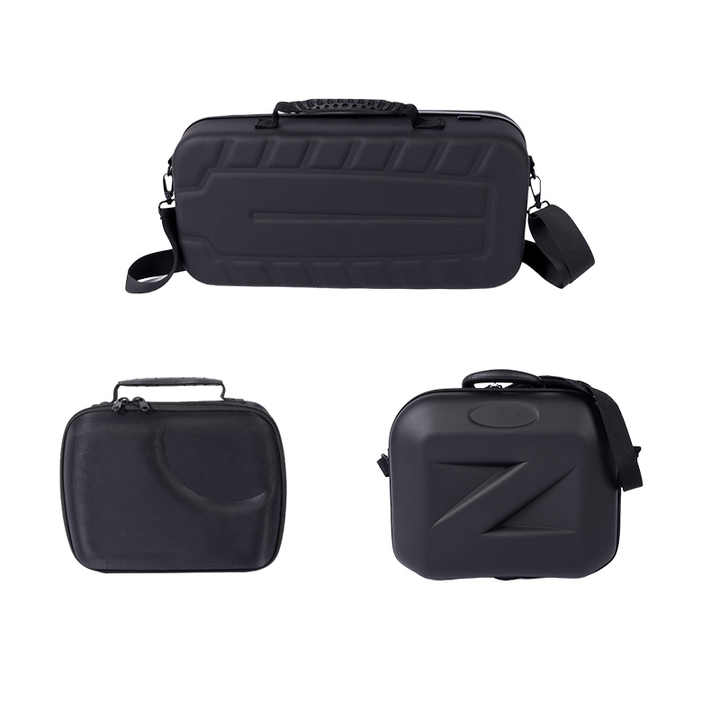
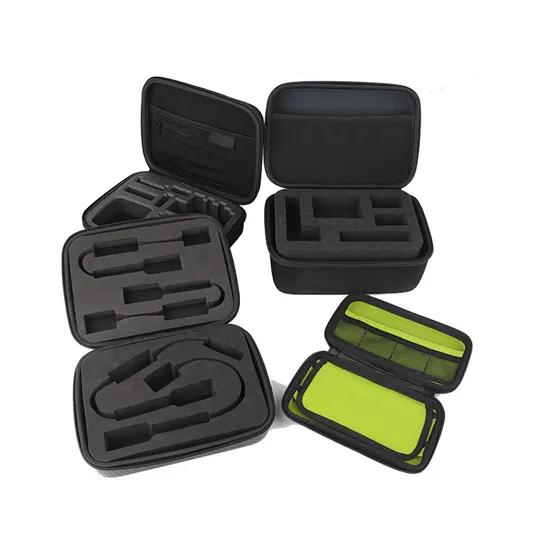
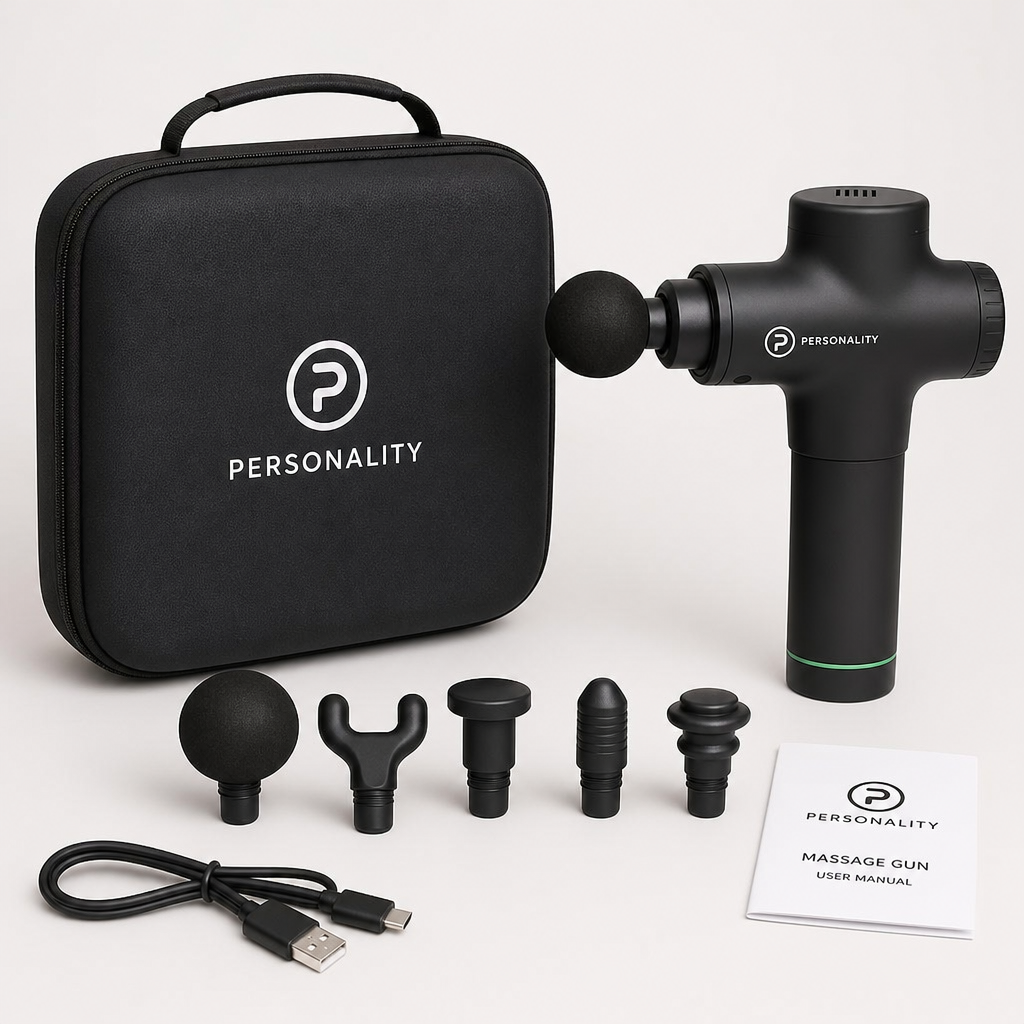
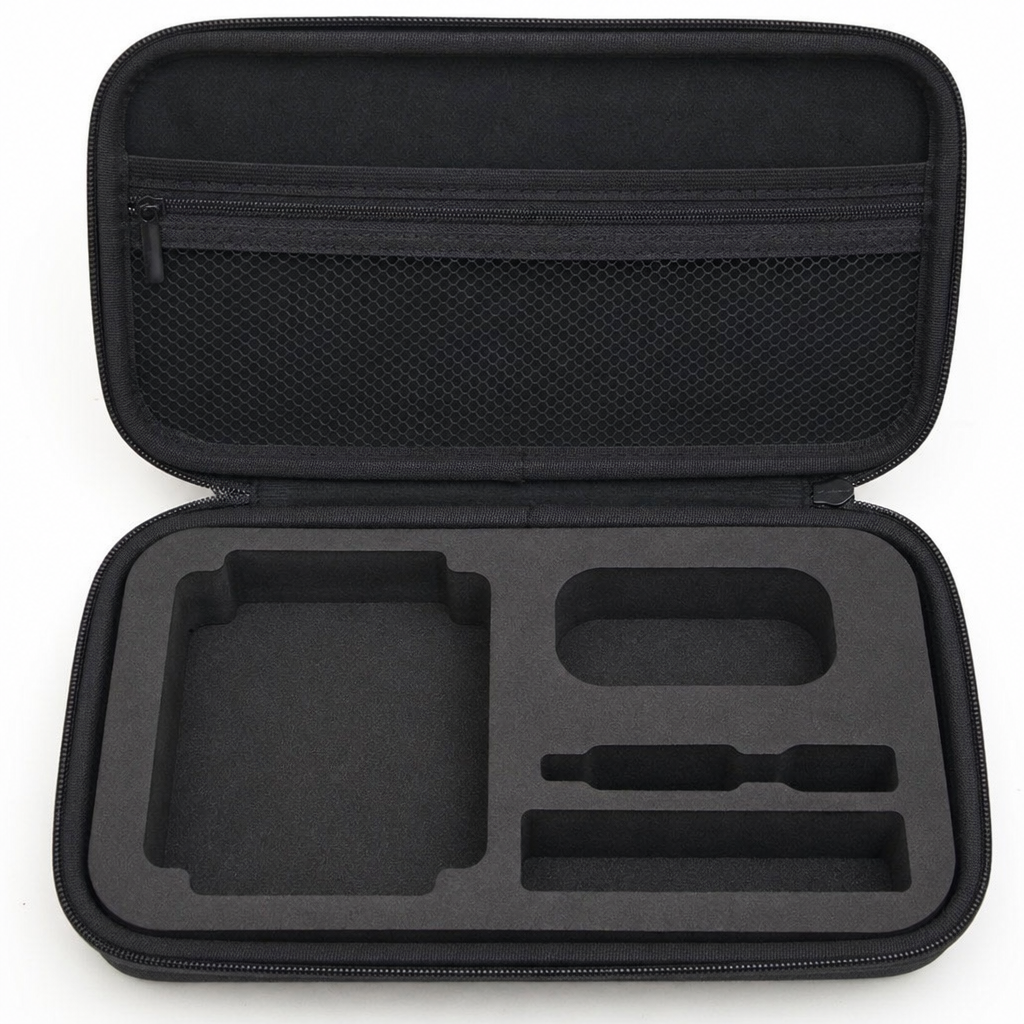
The difference is not only cosmetic. Stock cases usually rely on general-purpose interiors, such as mesh pockets, elastic straps, or plain foam. Custom cases can include molded trays, die-cut foam, branded zipper pulls, printed logos, color-matched fabrics, reinforced zones, and accessory compartments.
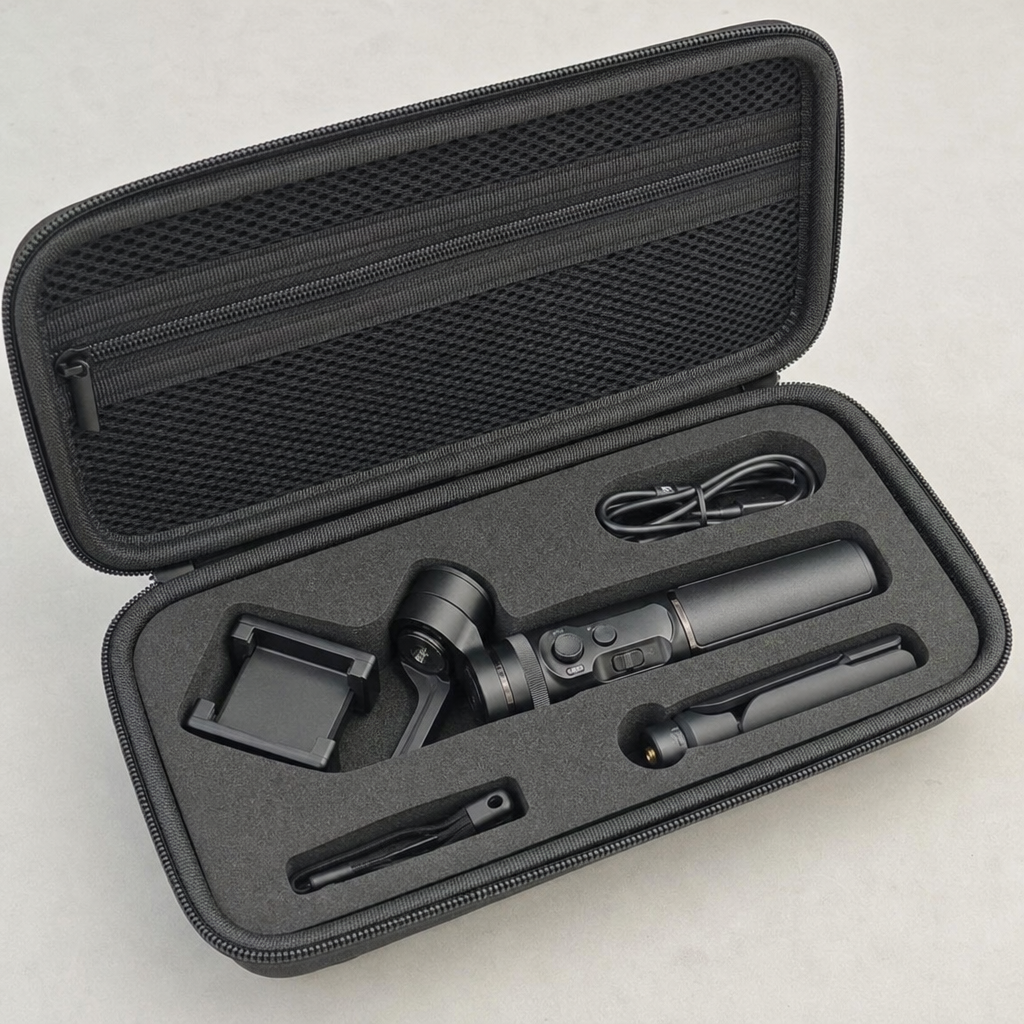
Think of a stock EVA case like a standard laptop sleeve. It may work if the fit is close. A custom EVA case is more like a fitted product package: the item, charger, cable, manual, and accessories each have a place.
EVA case basics and why the material matters
EVA stands for ethylene-vinyl acetate. It can be molded into semi-rigid shapes while staying lightweight. The design offers a cushioned feel, resists everyday bumps, and pairs well with fabric coverings, linings, foam inserts, zippers, handles, and branding elements. That mix makes it useful for products that need both protection and easy carry.
Unlike a simple fabric pouch, an EVA case can hold its shape. Unlike many hard plastic cases, it can feel softer, lighter, and more retail-friendly. That is why EVA cases are common for headphones, cameras, tools, personal care devices, gaming accessories, outdoor gear, sample kits, and compact electronics.
Stock EVA cases are built for speed and simplicity
Stock EVA cases are pre-designed and usually available in standard dimensions. They are a practical choice when you need a case quickly, your product fits a common size, and you do not need special branding or internal organization.
The main advantage is convenience. You avoid tooling, detailed drawings, and a full custom sampling process. That makes stock cases useful for small runs, prototypes, trade shows, temporary packaging, and general accessory storage.
When a stock EVA case makes sense
- Your product fits a standard size well.
- Speed matters more than perfect presentation.
- You want a lower starting cost.
- The case is for internal, temporary, or low-risk use.
- Your branding needs are minimal.
The trade-off is that the fit may be loose, the product may shift, and the case may protect the item without strengthening the brand.
Custom EVA cases are built around the product experience
Custom EVA cases begin with the product, not the available case size. The shell, foam, lining, compartments, color, finish, and branding can all be designed around the item being protected. That makes customization valuable when the case is part of the product‘s perceived quality, not just a container.
A custom case can guide the user. When someone opens it, the layout shows how the product and accessories should be stored. This matters for multi-part kits, delicate instruments, premium electronics, and anything that requires correct repacking after use.
What can usually be customized
- Outer shell size and shape
- Shell firmness
- Interior foam or molded tray
- Lining material and color
- Exterior fabric or finish
- Zippers, pulls, and handles
- Logo placement
- Accessory organization
The value of these choices is control. Instead of adjusting your product to fit a case, you adjust the case to support the product.
How do stock and custom EVA cases compare in everyday use?
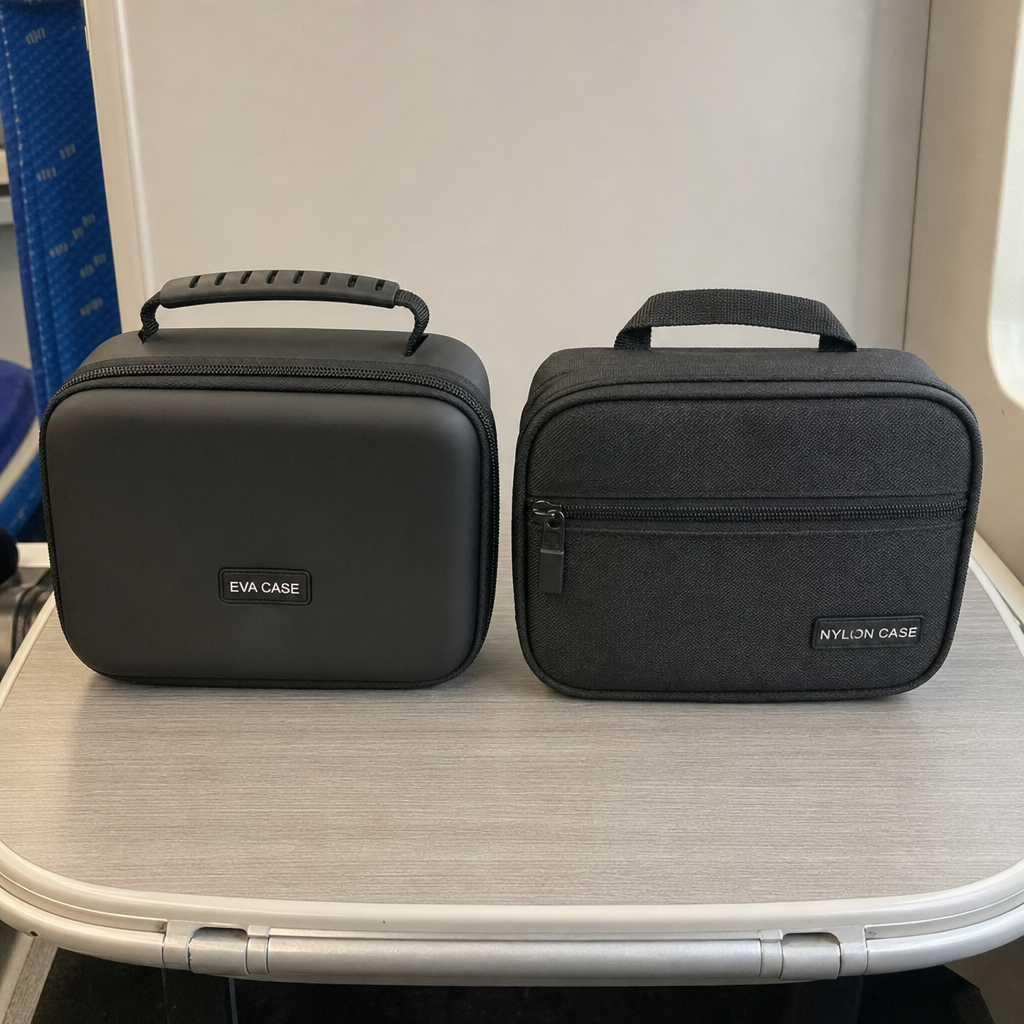
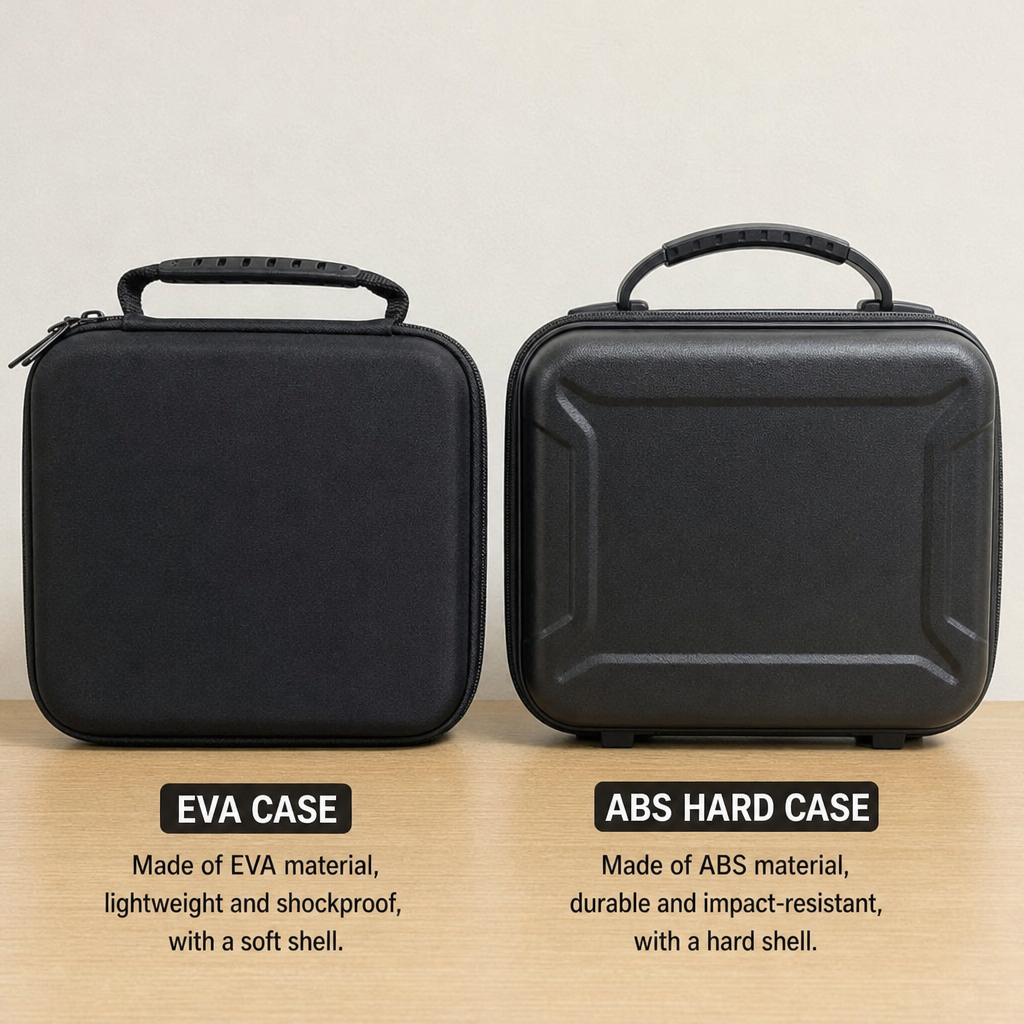
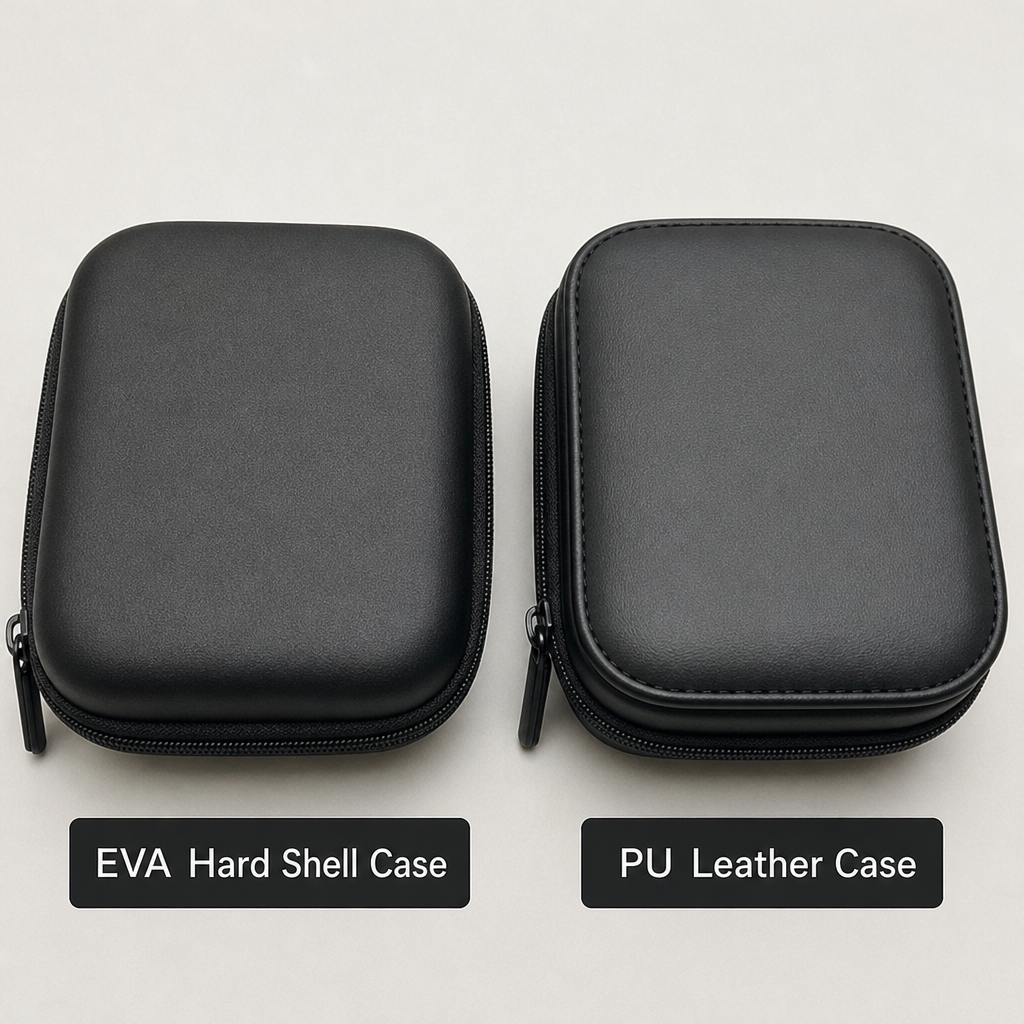
In everyday use, stock EVA cases are great for convenience and basic protection. Custom EVA cases offer a better fit, stronger presentation, and a more focused user experience. This eva vs hard shell case comparison also matters because EVA sits between soft pouches and rigid protective cases.
For basic storage, a stock EVA case may be enough. For higher-value products, custom design becomes more important because a loose interior can make even a good product feel unfinished.
| Factor | Stock EVA case | Custom EVA case |
|---|---|---|
| Fit | Standard sizes | Exact product dimensions |
| Timeline | Usually faster | Design, sampling, approval |
| Upfront cost | Lower | Higher |
| Protection | General cushioning | Targeted support |
| Branding | Limited | Strong control |
| Interior layout | Standard pockets or plain space | Foam, trays, dividers |
| Best use | Simple storage, samples, quick needs | Retail kits, premium products, fragile items |
Protection depends on fit as much as material
Many buyers focus first on shell material, but fit is just as important. A strong case with too much empty space can still allow movement inside. That movement can cause scratches, pressure points, tangled accessories, or damage during shipping and daily carrying.
Stock cases can provide good protection when the size match is close. Problems are more likely when the product is oddly shaped, has delicate protrusions, includes loose parts, or needs to be presented in a specific order. Custom EVA cases can manage those details with foam density, compartment depth, lid clearance, and accessory placement.
Branding changes the role of the case
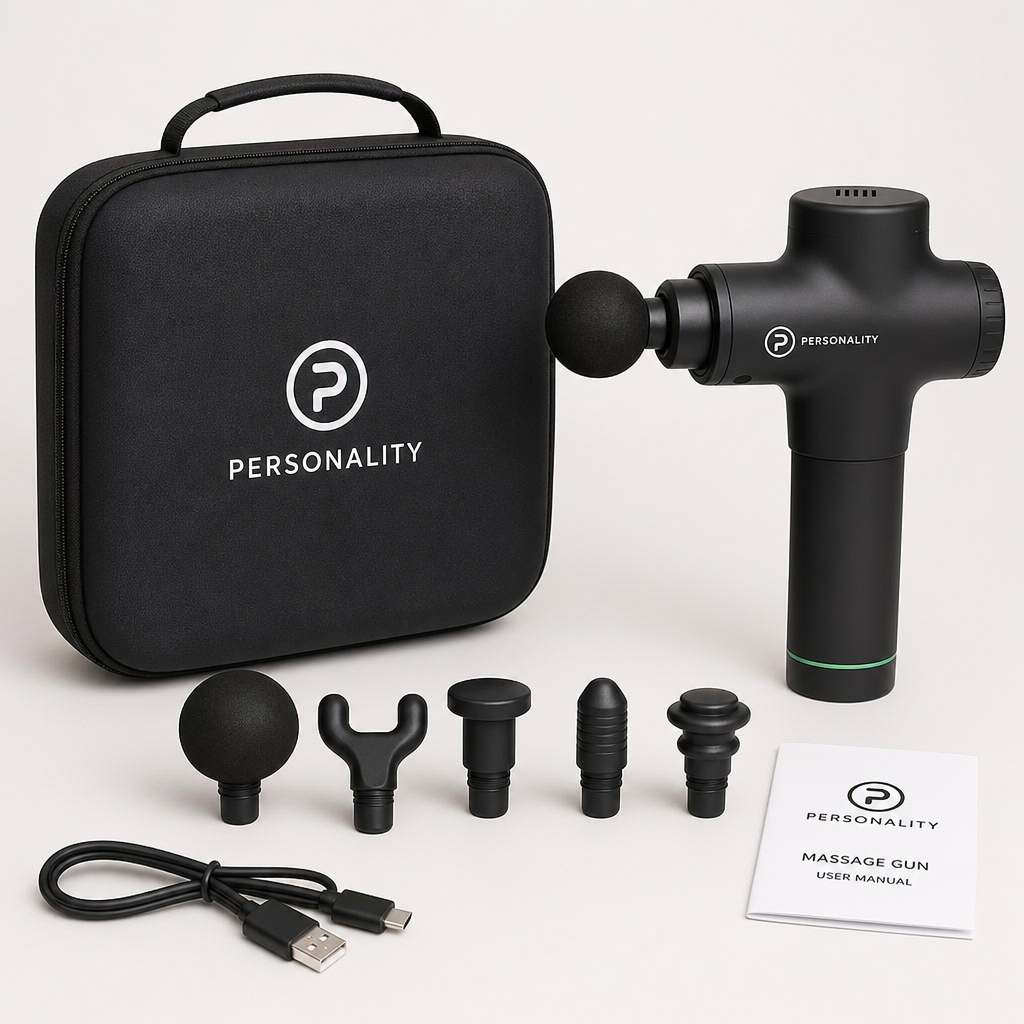
A plain case protects a product. A branded case can also promote it. This is one of the biggest differences between stock and custom EVA cases, especially for companies in competitive categories.
Branding must be subtle. A subtle logo, consistent color palette, quality zipper pull, or polished interior can make the case feel aligned with the product. Custom branding matters even more when the case stays with the customer after purchase.
Cost and lead time affect the decision
Comparing stock and custom EVA cases solely by unit cost can lead to the wrong decision. A stock case may cost less upfront because the design already exists. A custom case may require more development, especially if it involves tooling, prototypes, special materials, or a complex interior.
A practical way to think about cost is to ask what failure would look like. Would a poor fit damage the item? Would a generic case make the product feel less premium? Would users lose accessories if they do not organize the interior? If yes, customization may protect more than the product—it may protect the customer experience.
Stock cases are often chosen when timing is tight. Custom cases require more planning, including product samples, dimensions, drawings, branding files, packaging requirements, and use details. That extra time is not always a drawback. It can make the final case feel fully integrated with the product.
How should you choose the right EVA case option?
Choose a stock EVA case when you need a fast, functional, budget-conscious solution for a product that fits standard dimensions. Choose a custom EVA case when fit, protection, branding, organization, and user experience matter to the success of the product.
- Measure the product and accessories.
- Define the protection risk.
- Decide how important presentation is.
- Consider the user‘s routine.
- Review your timeline.
- Balance upfront cost against long-term value.
Common mistakes to avoid
One common mistake is assuming that any EVA case will provide the same level of protection. The shell matters, but interior fit, foam structure, closure quality, and accessory placement all influence performance.
Another mistake is choosing a stock case only because it is available quickly. Speed is useful, but if the product arrives looking loose, unfinished, or poorly organized, the savings may not feel worthwhile.
The right case supports both protection and perception
The difference between a stock EVA case and a custom EVA case is the difference between general fit and intentional design. Stock cases are useful, accessible, and efficient when the requirements are simple. Custom EVA cases give you better control when protecting a specific product. They help organize accessories and improve brand presentation.
For many projects, it is important to understand the product‘s value, where it will be used, and what customers expect. If a standard case meets those needs, it can be a smart choice. If the case plays a larger role in how the product gets protected, carried, displayed, or remembered, you often find that a custom EVA case serves as the better long-term investment.
Q&A
Question: Is a custom EVA case always more protective than a stock EVA case?
Short answer: Not always. A stock EVA case offers good protection when the product fits well. It works best for items without unusual shapes, delicate parts, or many loose accessories. A custom EVA case becomes more protective when the product needs a precise insert, dedicated compartments, or targeted cushioning to prevent movement.
Question: When is a stock EVA case the better choice?
Short answer: A stock EVA case is usually the better choice when speed, simplicity, and lower upfront cost matter most. It works well for prototypes, samples, trade show needs, internal kits, temporary packaging, or products that already fit standard case dimensions.
Question: Why does branding matter if the case is mainly for protection?
Short answer: Branding matters because an EVA case often stays with the customer after purchase. A logo, matching colors, a quality zipper pull, or a polished interior can make the product feel more professional.
Question: What information is useful when starting a custom EVA case project?
Short answer: Product dimensions, accessory dimensions, product samples, drawings, branding files, expected use conditions, protection requirements, packaging needs, and launch timeline. These details help the manufacturer design the shell, foam, lining, compartments, and branding around the real product.
Question: How should cost be evaluated when comparing stock and custom EVA cases?
Short answer: Look beyond the unit price. A stock case may cost less at first. However, a custom case can provide better long-term value. It can reduce product damage, improve presentation, keep accessories organized, or make the product feel more premium.