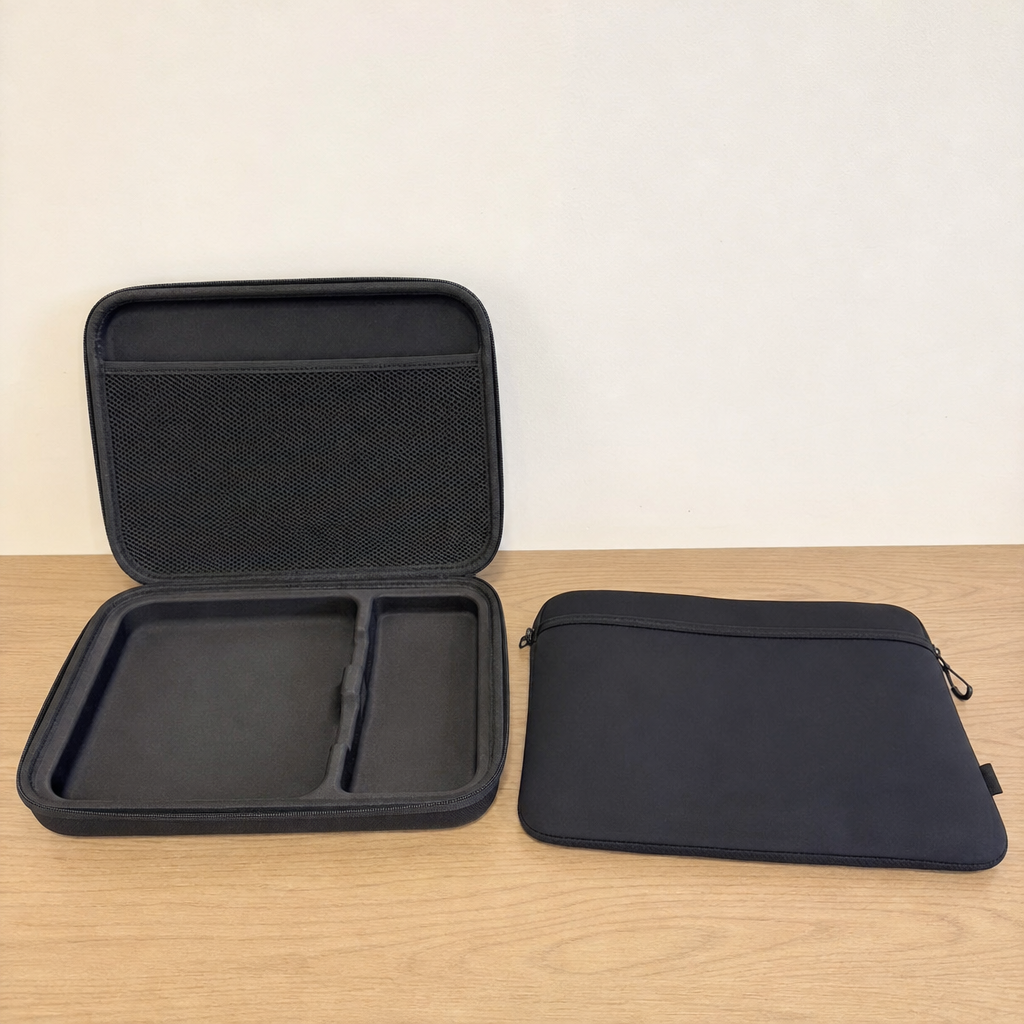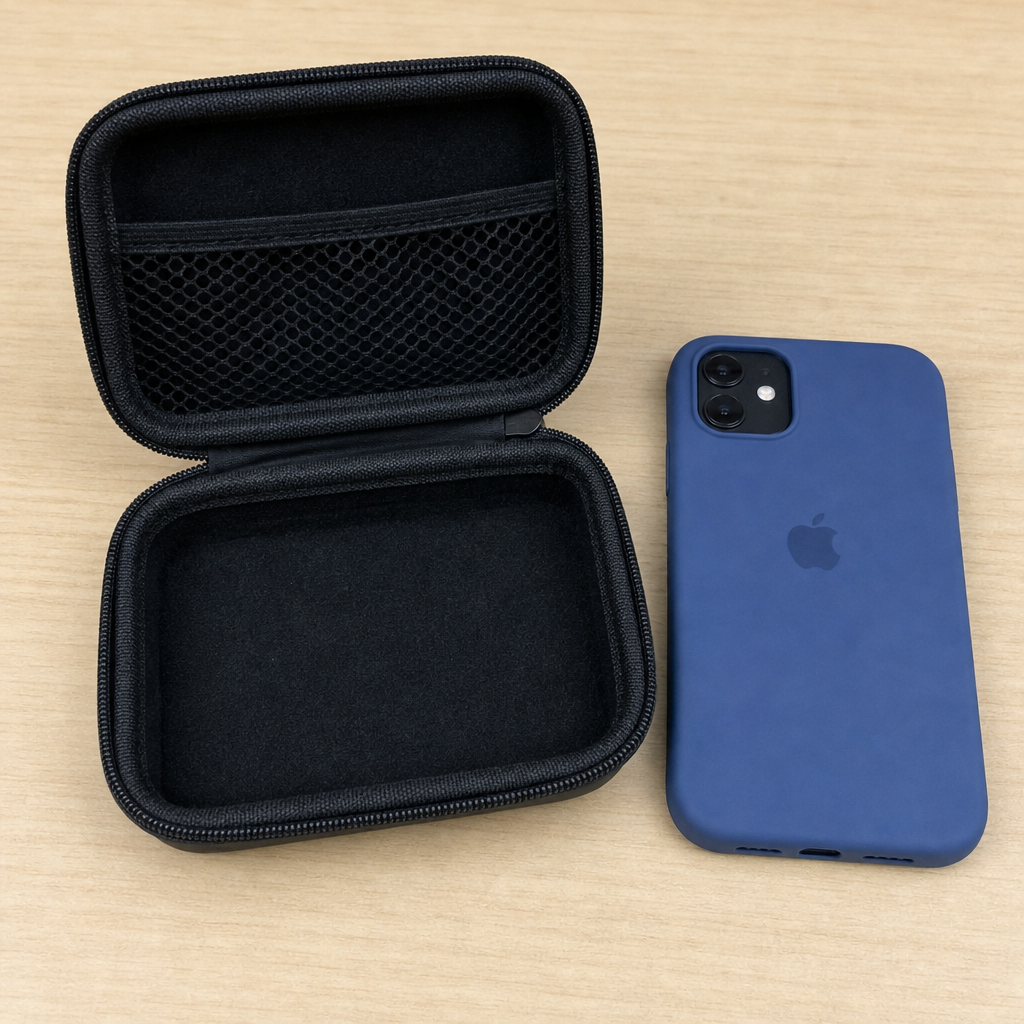
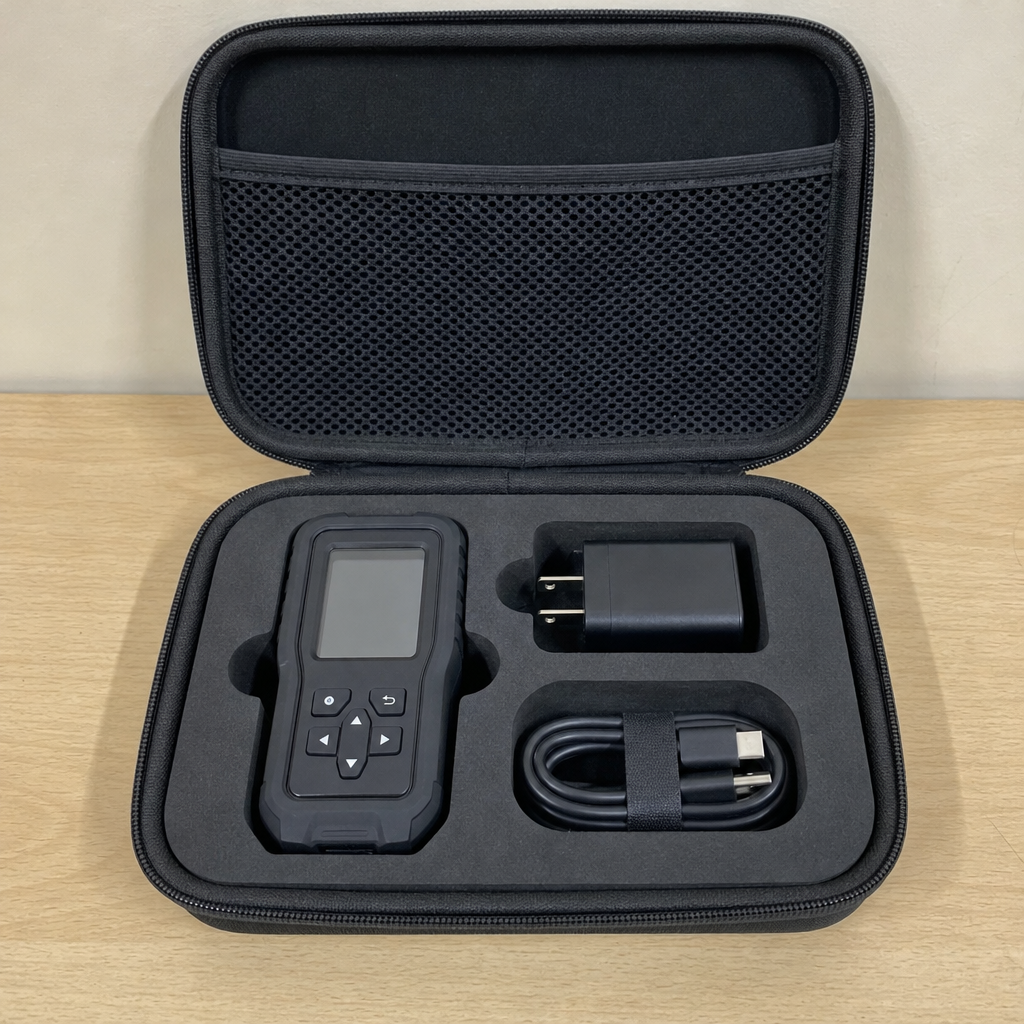
Discover whether OEM or ODM is ideal for your custom EVA cases. Learn which model aligns with your budget, design control, and product needs.
OEM vs ODM EVA Cases Which Manufacturing Model Is Right for You
OEM and ODM are two ways to develop custom EVA cases: OEM generally starts with your design specifications, while ODM starts with a manufacturer’s design or development capabilities. OEM suits projects that need distinctive structures and detailed buyer control; ODM suits projects that can adapt an existing platform. The right choice depends on product fit, development resources, budget, and how much differentiation your case needs.
What is the difference between OEM and ODM EVA cases?
OEM, or original equipment manufacturer, typically means a supplier produces cases to buyer-defined specifications. ODM, or original design manufacturer, means the supplier contributes the underlying design, often by adapting an existing case. For EVA case sourcing, the practical distinction is who defines the structure and how much development remains before production.
Think of these models as starting points, not complete project descriptions. Ask each supplier to identify what already exists, what must be developed, and which decisions remain yours. A clear responsibility list is more useful than an OEM or ODM label alone.
| Decision area | OEM starting point | ODM starting point |
|---|---|---|
| Case design | Buyer-defined specifications | Supplier-developed design or platform |
| Customization | Built around the agreed design | Adaptations within the proposed platform |
| Buyer preparation | Detailed requirements and design inputs | Product requirements and customization brief |
| Development focus | Making the specified design production-ready | Checking and adapting the proposed design |
| Best initial fit | Distinctive structural requirements | Requirements an existing platform can satisfy |
This comparison describes a useful sourcing framework, not a guarantee about any supplier’s service. Confirm the actual scope before comparing proposals.
Start with the product, not the manufacturing label
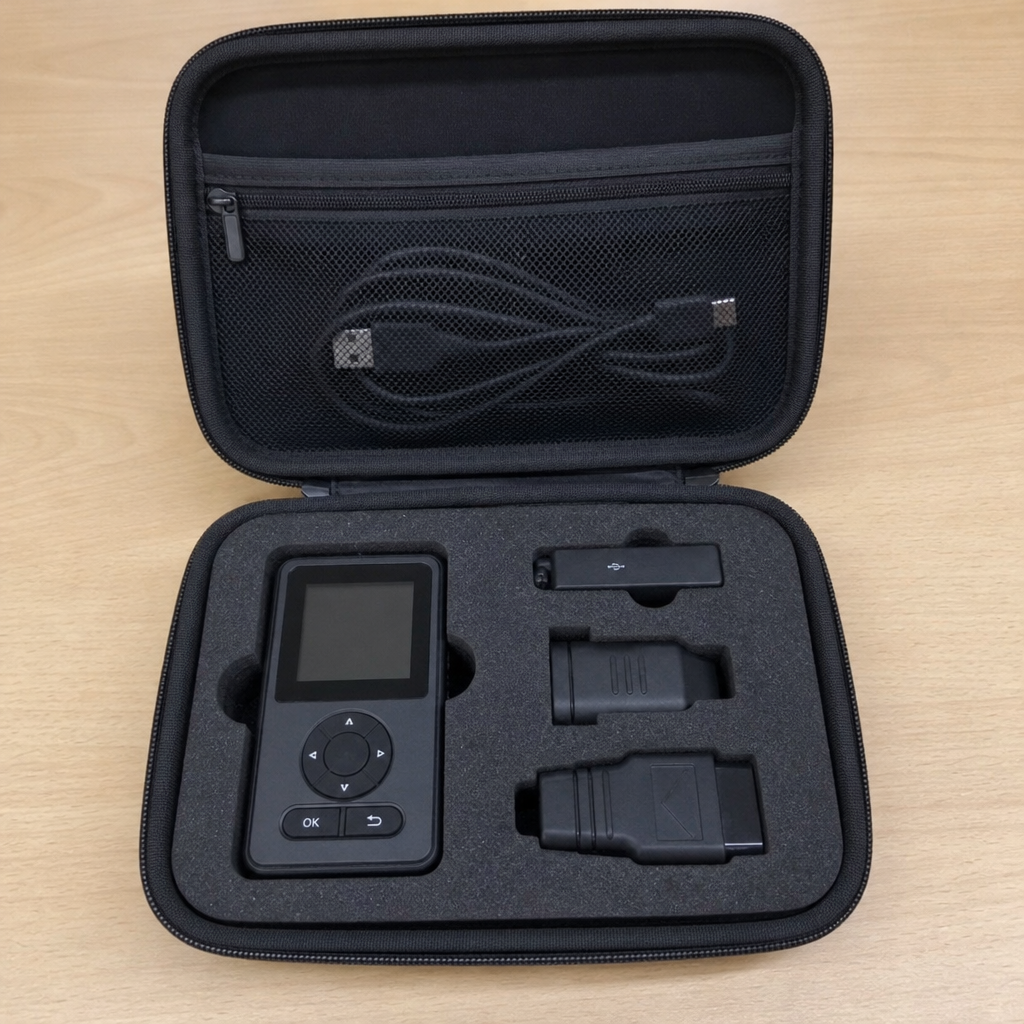
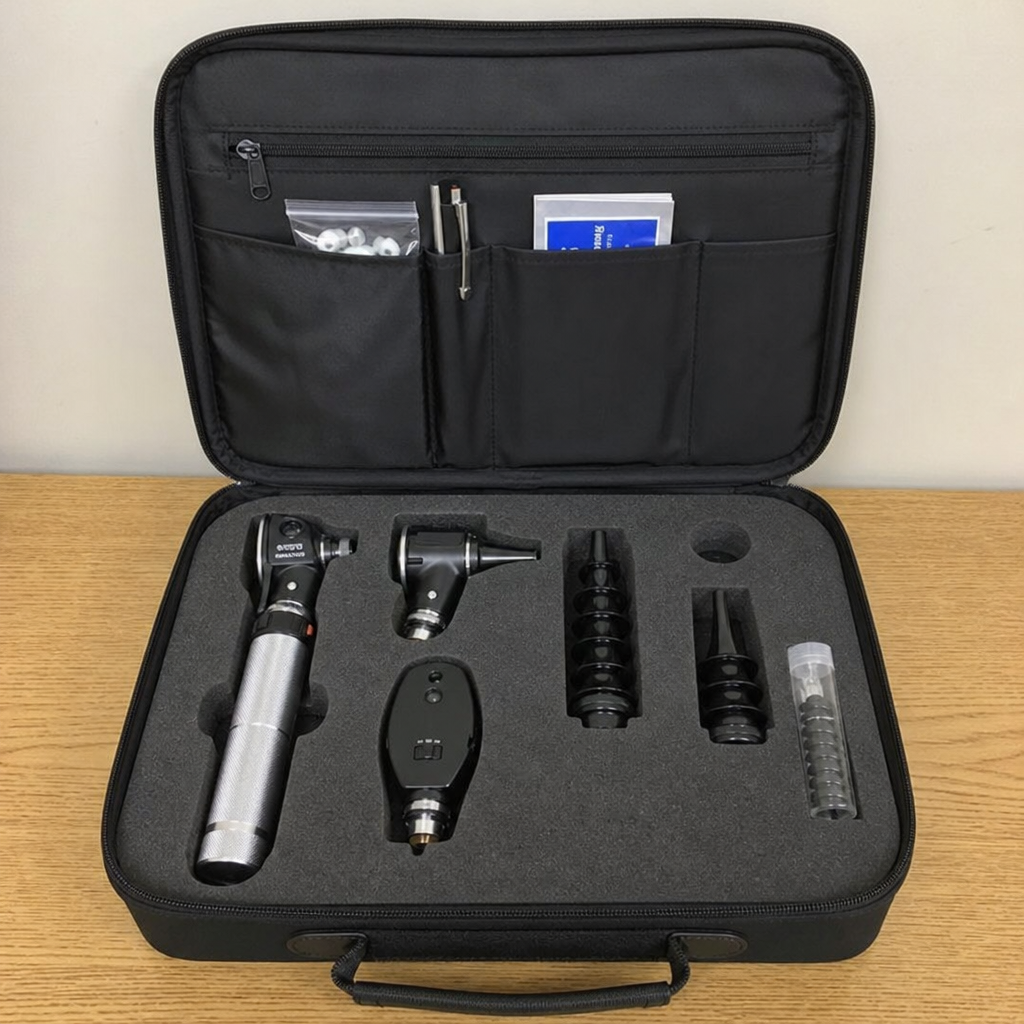
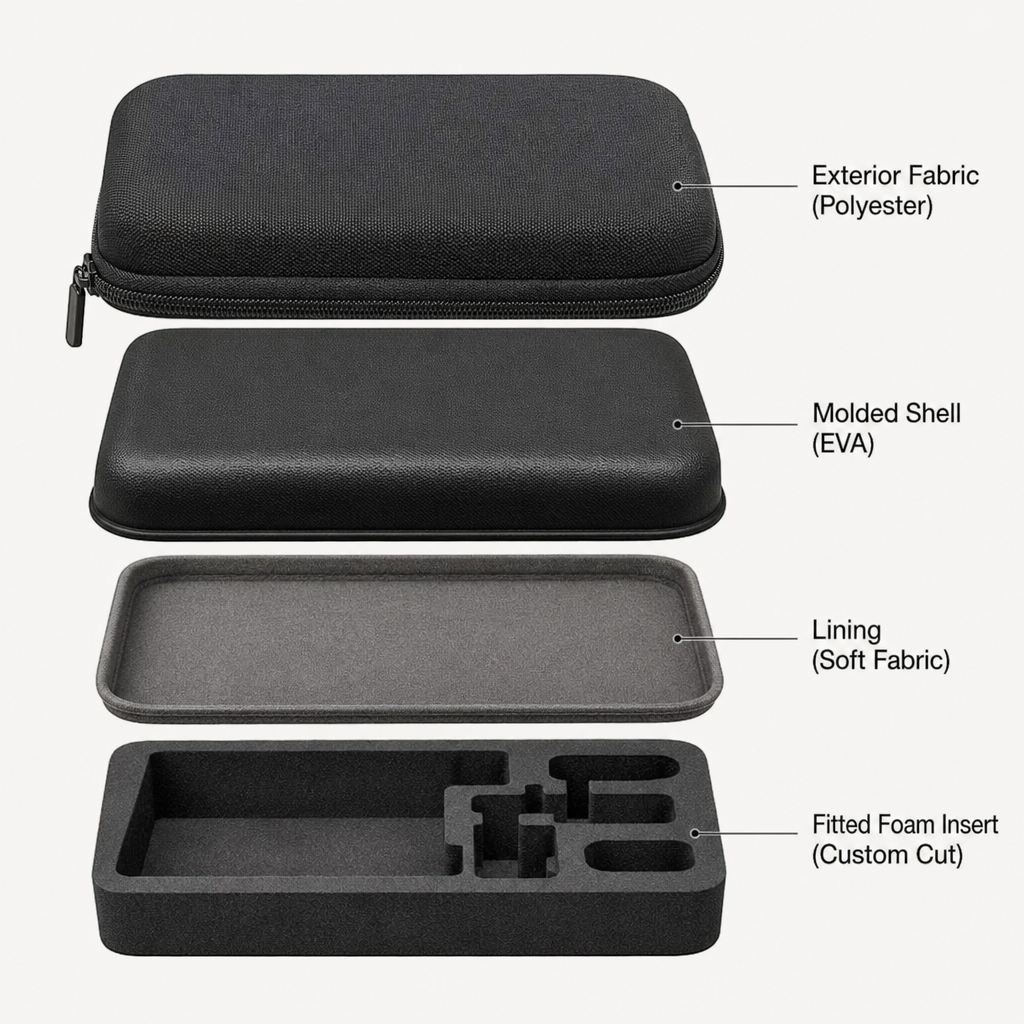
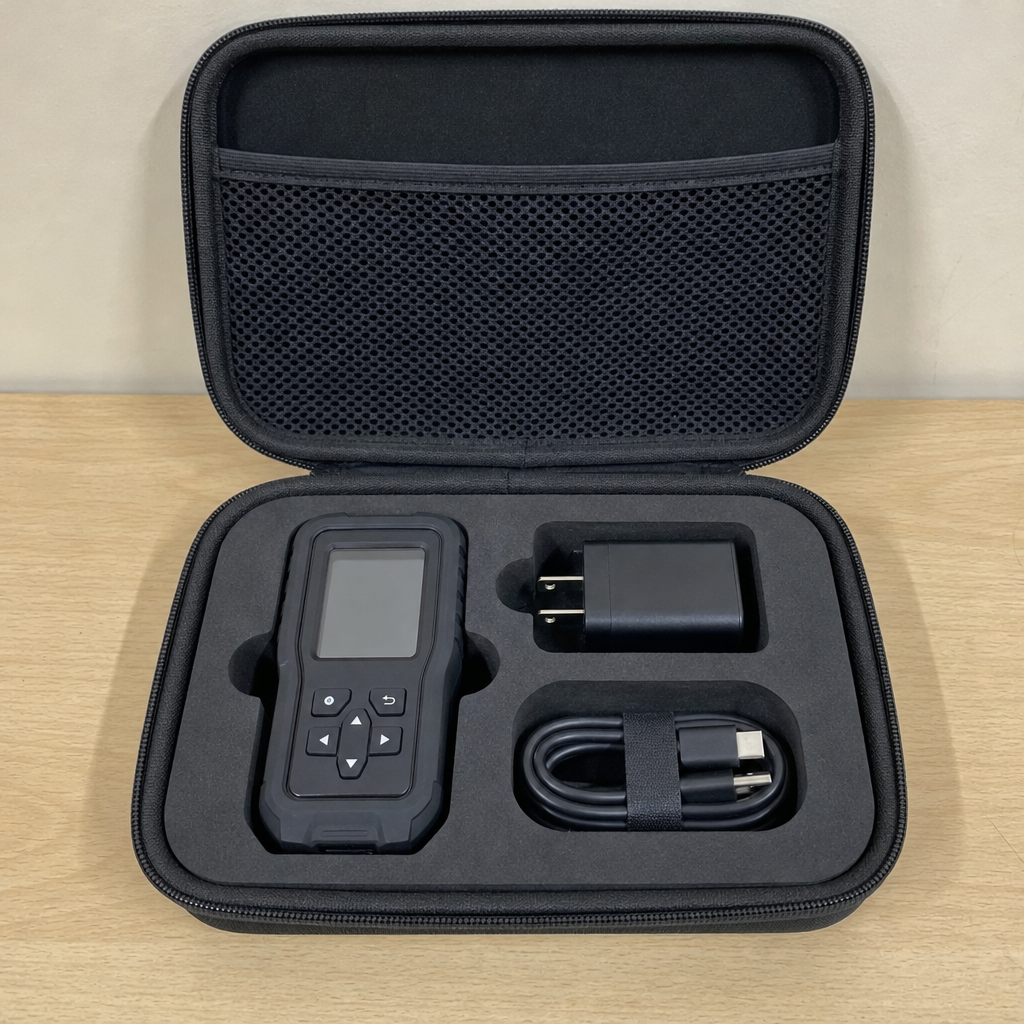
Custom EVA cases combine a molded EVA structure with exterior materials, lining, closures, and interior organization. Manufacturers offer options such as fitted inserts, mesh pockets, straps, and dividers, so shell dimensions are only part of the specification. Evaluate the complete loaded case rather than an empty exterior.
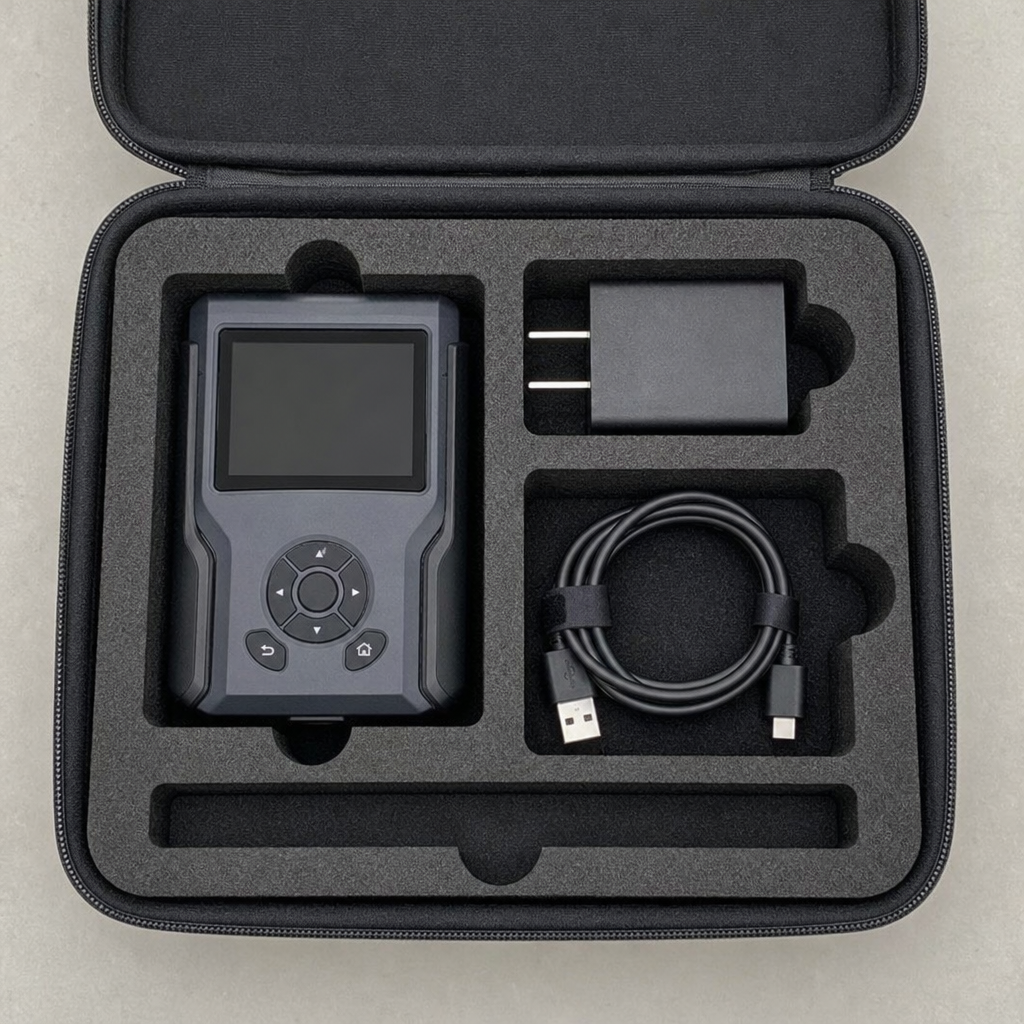
Begin by laying out everything the customer must carry. Include charging cables, adapters, removable components, and any documentation that belongs inside. Then identify sensitive surfaces, protruding controls, and parts that must not touch each other.
For example, imagine a handheld instrument with a delicate probe and a separate charger. Before choosing OEM or ODM, establish how those items should sit, how users will remove them, and whether the lid can close without pressure on the probe. Treat that layout as a requirement, not a styling preference.
OEM makes sense when the case design is part of the product
Consider OEM when you already have detailed design inputs or need a structure developed around specific requirements. EVA case manufacturers describe OEM work as production based on buyer specifications, with tooling and sampling used to turn those inputs into a manufacturable case.
A useful test is to separate essential requirements from preferences. An exact accessory arrangement might be essential because users follow a set workflow. A particular exterior curve might simply be a preference. Make that distinction before asking the factory to preserve every design detail.
An OEM brief should explain both the desired result and its purpose:
- Product locati0n: Identify where each component belongs and which surfaces need clearance.
- Access: Show where users should grip the product when removing it.
- Organization: Explain whether missing accessories should be immediately visible.
- Presentation: Specify logo placement, opening orientation, and the intended unpacking sequence.
Ask the supplier to flag manufacturing concerns before you approve tooling. Keep a written record of proposed changes and why they were accepted. Detailed buyer control is only useful when the approved design can be reproduced consistently.
ODM makes sense when an existing platform meets the brief
Consider ODM when a supplier’s existing design can accommodate your product with acceptable changes. Manufacturers may offer customization of branding, colors, closures, or interiors around an established design. This provides a different starting point from commissioning a completely buyer-defined structure.
Treat the proposed platform as a candidate, not a finished answer. Request usable interior dimensions, a layout drawing, and a sample that represents your intended configuration. Do not approve a case merely because its outside measurements look generous enough.
For a cable organizer, your evaluation might focus on pocket access and whether adapters stay separated. For a compact device, it might focus on removal clearance and lid contact. Use the actual contents to determine whether the platform works.
Ask the supplier to distinguish cosmetic changes from structural changes in its quotation. If your requested modifications replace most of the original design, reconsider whether that platform still offers a useful starting point. Compare the adapted proposal with a purpose-designed alternative rather than assuming ODM must be simpler.
Which model costs less for custom EVA cases?
Neither model is automatically cheaper for your project. Compare quotations for the same functional specification, including development charges, tooling, materials, inserts, branding, and packaging. Manufacturers identify these elements, along with production complexity, as contributors to EVA case pricing.
Do not compare a fully specified OEM proposal with an ODM estimate that excludes the fitted interior or final packaging. Ask both suppliers to price the same contents, material expectations, and approval process. Otherwise, the apparent saving may simply reflect missing scope.
Build your comparison around these cost categories:
- Development and sampling: Request separate charges for drawings, prototypes, revisions, and sample delivery.
- Tooling: Identify every new or modified tool and the work each charge covers.
- Production units: Confirm the shell, lining, insert, hardware, logo, and packing included.
- Inspection and delivery: List any separately quoted checks, transport, or handling.
- Future orders: Request reorder pricing assumptions and the process for design changes.
Also ask for minimum order quantities by design, color, and material combination. Get project-specific terms rather than relying on a website headline; manufacturers themselves qualify quantities and timing by structure and order details.
For internal planning, divide one-time development spending across a conservative expected order volume. Then compare that figure alongside the unit price. Use a realistic forecast, not an optimistic sales target, when deciding how much upfront development your project can support.
Put design rights and tooling responsibilities in writing
Keep ownership questions separate from the manufacturing label. Before paying development charges, ask the supplier to document the proposed arrangements for molds, drawings, modifications, and future use. Tooling ownership, maintenance, and modification costs are also explicit items in manufacturer sourcing checklists.
Use the discussion to establish practical expectations:
- Which drawings and production files will you receive?
- Which tools are dedicated to your orders, and which are shared?
- Can the supplier offer the underlying case design to other buyers?
- What exclusivity, if any, is included in the proposal?
- How will tool storage, maintenance, replacement, and transfer be handled?
For an ODM project, distinguish the existing platform from your requested additions. For OEM, identify any supplier-developed elements introduced during engineering. Have the proposed terms reviewed appropriately rather than treating a tooling invoice or confidentiality promise as a complete agreement.
Approve a loaded sample before approving production
Whether you choose OEM or ODM, require a physical sample that reflects the intended materials and configuration. Manufacturer development workflows place sampling and fit checks before mass production, including evaluation of the device, accessories, closures, and interior layout.
Test the sample as a user would. Pack every item, close the case normally, carry it, open it, and remove the contents. Record anything that requires force, creates pressure, or makes an accessory difficult to reach.
Use a practical acceptance checklist:
- Fit: Check clearance around controls, connectors, delicate surfaces, and protruding parts.
- Retention: Observe whether contents remain in their intended positions during agreed handling checks.
- Closure: Confirm the zipper operates without forcing the shell around the contents.
- Access: Verify that fingers can reach the product and frequently used accessories.
- Finish: Compare stitching, lining, colors, and logo placement with approved references.
- Packing: Check that the finished case fits its intended retail and shipping packaging.
Keep an approved sample and a dated specification with clear revision identification. Pengtour’s manufacturing guidance specifically emphasizes loaded-product evidence, physical color references, and an approved written version for production handover.
If you require impact, environmental, or other performance testing, define the conditions and acceptance criteria before ordering. Ask what evidence the supplier can provide for the complete case. Do not substitute broad descriptions such as “protective” for a requirement that your team can actually verify.
Build a supplier brief that produces comparable answers
Give shortlisted suppliers the same starting information. Case manufacturers commonly request product dimensions, accessories, quantities, and reference drawings or samples to assess a project. Supplying these together lets you ask for a recommendation grounded in your actual contents.
Your brief should contain:
- Product dimensions, weight, photographs, and available drawings or physical samples.
- A complete accessory list and a proposed packing layout.
- Intended use, carrying conditions, and sensitive product features.
- Required appearance, branding artwork, and material preferences.
- Initial quantity, expected reorder pattern, and desired delivery window.
- Sample approval responsibilities and any required testing evidence.
Separate fixed requirements from areas where you welcome suggestions. For instance, you might require a specific internal arrangement while allowing the supplier to propose the exterior fabric. That gives manufacturers room to solve the problem without silently changing the brief.
Finally, ask each supplier to explain its recommended route. Request a list of existing components, new development work, exclusions, and approval milestones. Compare those answers alongside price.
Choose the model by identifying your non-negotiables
Use your requirements to make the OEM vs ODM decision, rather than choosing a label first. Favor a buyer-defined route when the proposed case must follow a distinctive structure. Favor a supplier-developed platform when it satisfies your essential requirements without unacceptable compromises.
A middle-ground proposal is worth evaluating too: ask whether an existing exterior can work with a product-specific interior. Assess that combination on the same basis as any other option. Request clear drawings, costs, responsibilities, and a representative sample.
Before deciding, write a short decision statement: “We are choosing this route because it meets these requirements, within this budget, with these accepted limitations.” If your team cannot complete that sentence confidently, return to the unresolved specification or quotation details. More terminology will not resolve an unclear brief.
The takeaway
Choose the development route that fits your product, resources, and required level of control. Start with the loaded layout, compare complete proposals, and document responsibilities before committing. A well-chosen manufacturing model should support a case that works in practice—not merely one that looks right in a supplier photograph.