Discover whether EVA or TPU is better for your protective case needs. Compare their benefits in cushioning, flexibility, and use-case suitability to find the best fit for your device protection.
EVA vs TPU Which Material Is Better for Protective Cases
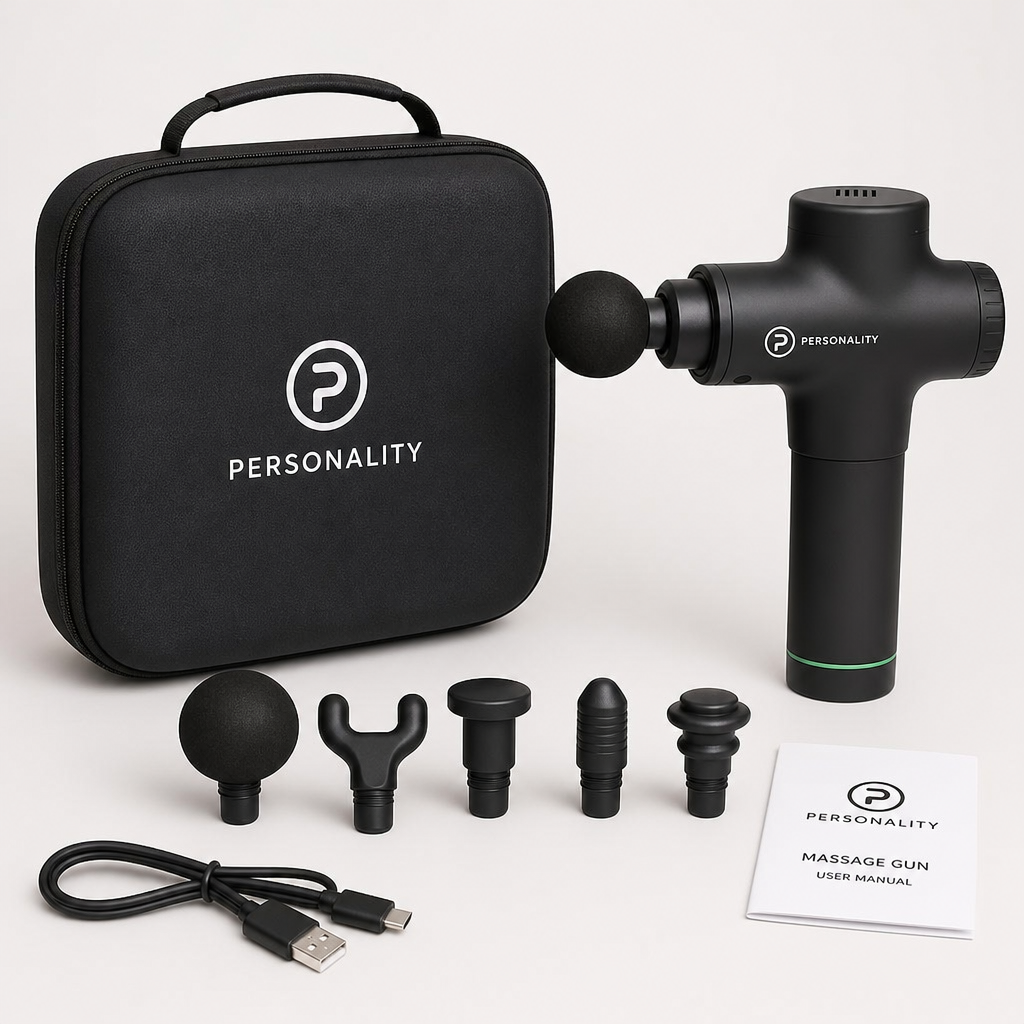
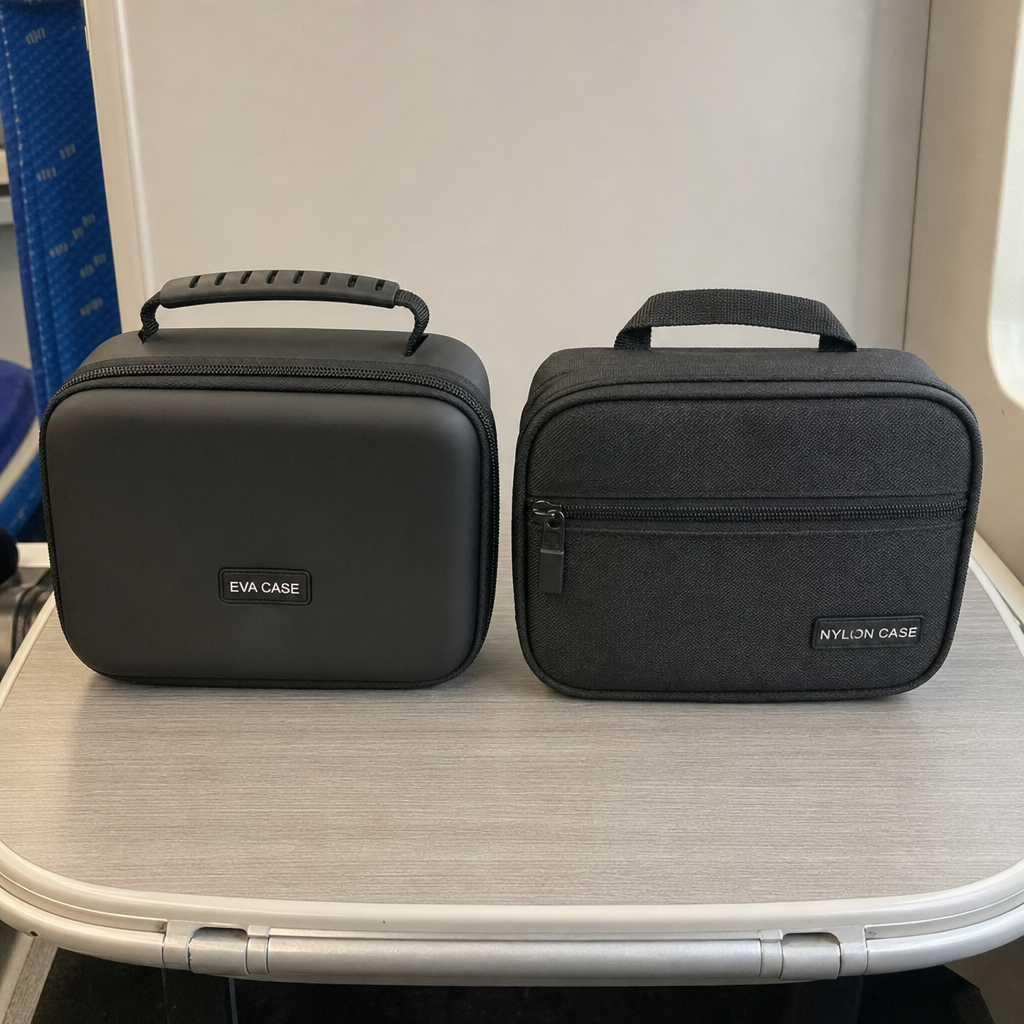
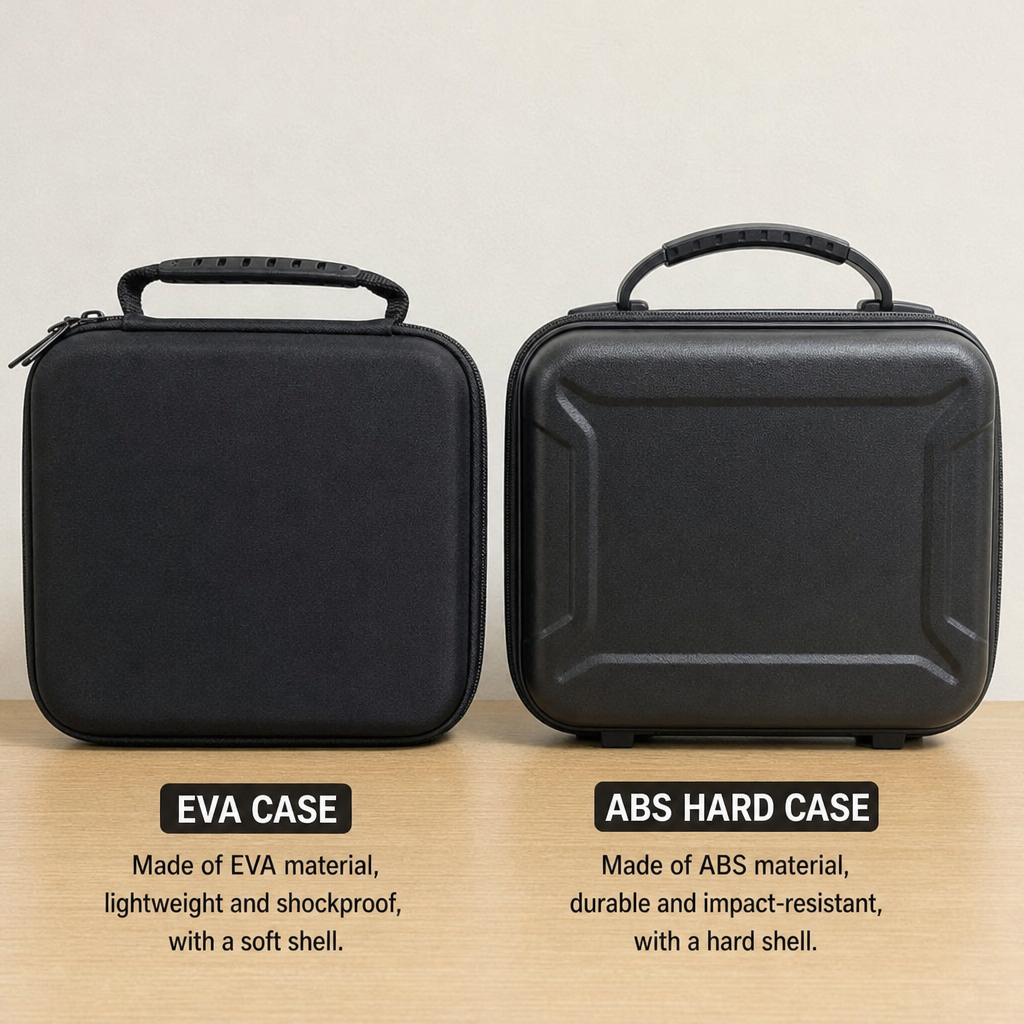
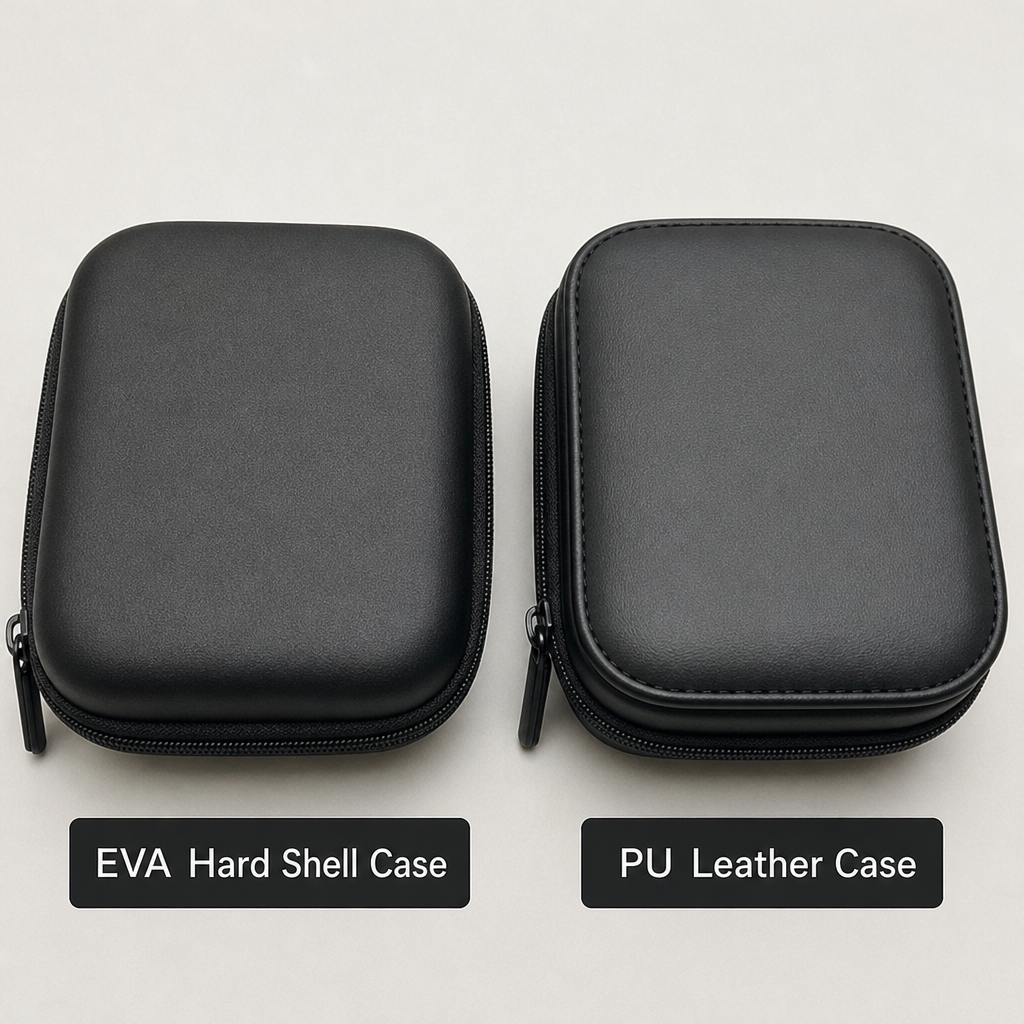
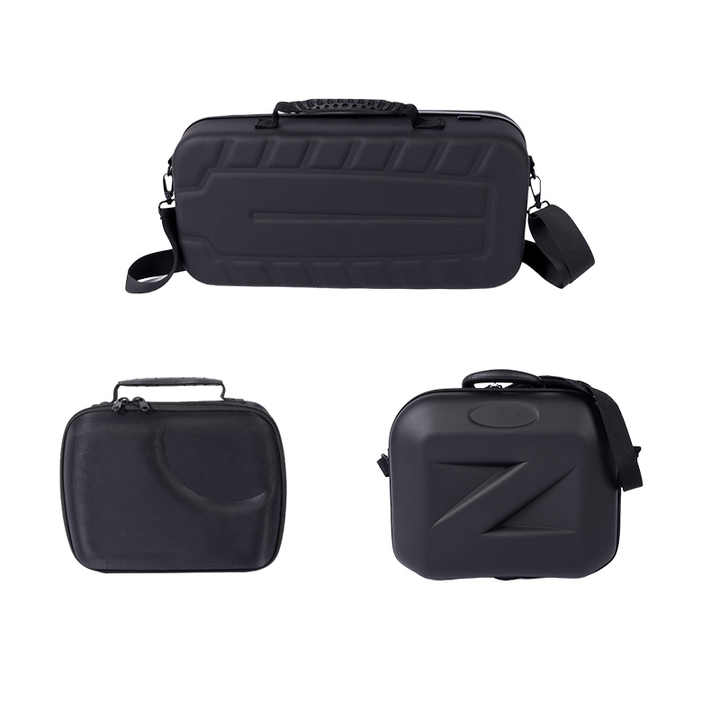
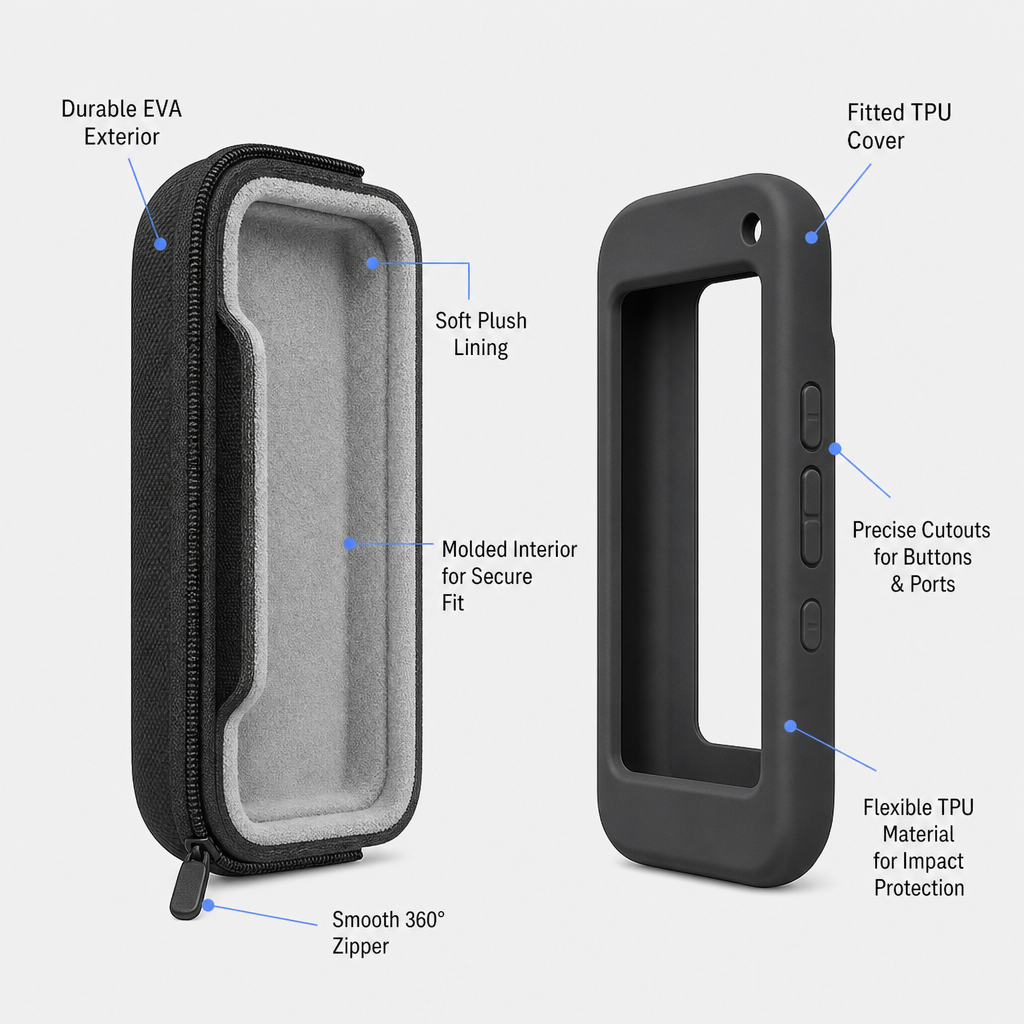
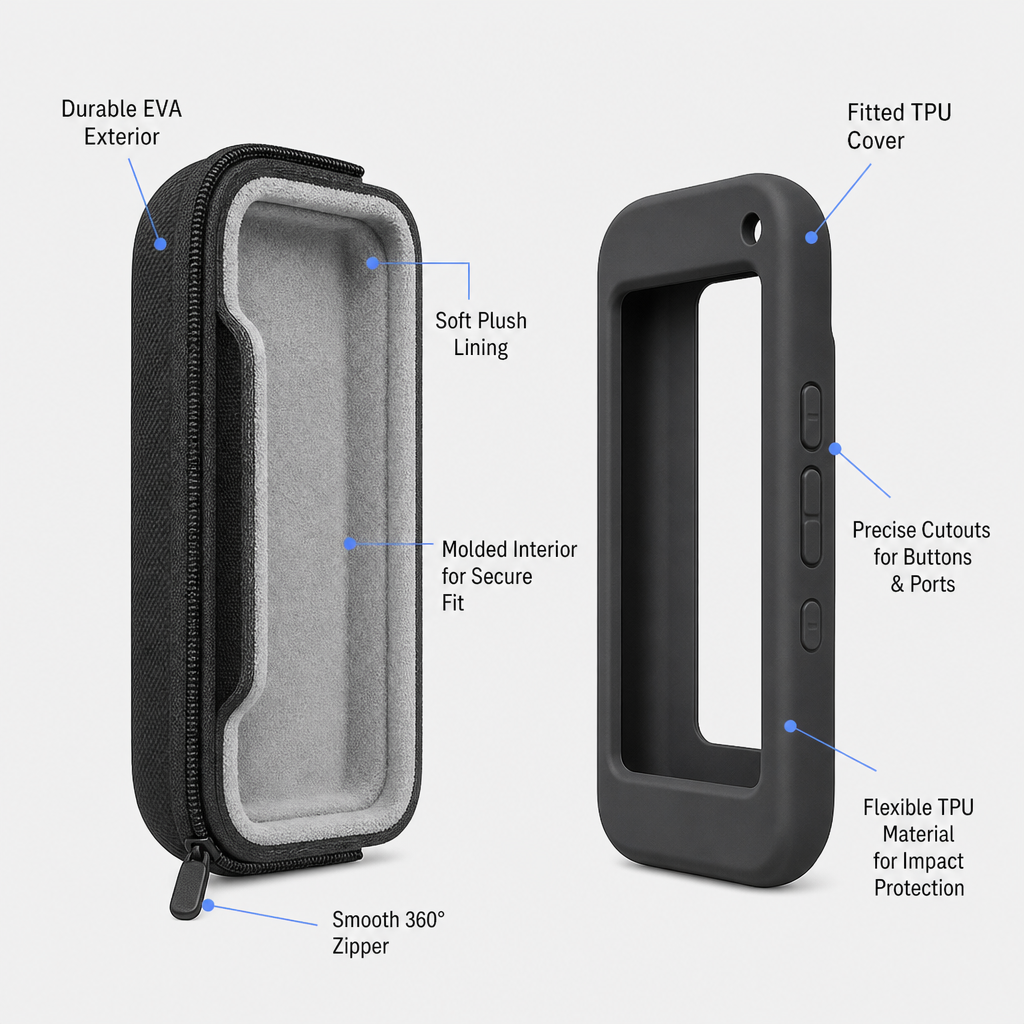
EVA cases are generally the better starting point for structured storage and organized transport, while TPU cases suit close-fitting protection that stays on a device during use. EVA foam supports cushioning and shaped carrying cases; TPU combines flexibility with wear resistance in molded covers and bumpers. This case comparison explains where each approach fits—and why the finished design matters more than the material name alone.
Which material is better for your protective case?
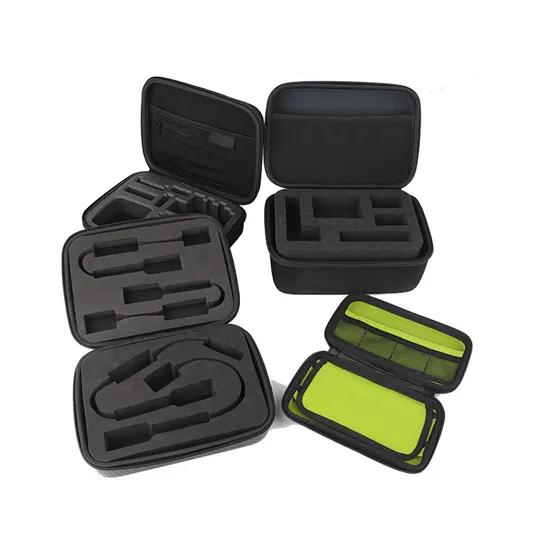
Choose EVA when you need a separate carrying case with room for equipment, accessories, and internal organization. Choose TPU when you need a flexible, fitted cover that preserves access to buttons, controls, and connections. These recommendations reflect common case constructions, not proof that either material always provides better protection.
Start by deciding whether you want to protect a product between uses or while using it. That distinction narrows the choice more effectively than comparing material names in isolation.
| Decision criterion | EVA cases | TPU cases |
|---|---|---|
| Typical format | Structured carrying case with a closure | Close-fitting cover, skin, or bumper |
| Main protection approach | Foam structure, cushioning, and internal support | Flexible molded coverage around the device |
| Access during use | Often requires opening the case and removing equipment | Can leave controls and ports accessible |
| Organization | Can include inserts, straps, trays, and pockets | Usually follows the device rather than storing accessories |
| Best starting application | Transporting equipment and a complete kit | Protecting a handheld device during everyday handling |
These are common configurations, not fixed material limits. Manufacturers can combine materials and construction methods, so check the actual product rather than assuming every EVA or TPU case follows the same design.
Understanding EVA and TPU construction
EVA stands for ethylene-vinyl acetate. In protective carrying cases, it can form a shaped foam core combined with outer fabric, lining, closures, and inserts. Manufacturers use thermoforming and compression molding to create structured shells with some flexibility rather than a completely rigid enclosure.
TPU stands for thermoplastic polyurethane. It is a family of elastic polymers available in different formulations, including grades with different hardness, environmental resistance, and processing characteristics. Its combination of flexibility and mechanical strength makes it useful for molded protective components.
The important distinction is that this comparison usually concerns foamed EVA carrying cases versus molded TPU covers. TPU also exists in foam applications, so comparing EVA foam with solid TPU does not establish an absolute ranking of the underlying polymers. Material form and case architecture need to stay part of the discussion.
Which option provides better drop and impact protection?
Neither EVA nor TPU automatically wins on drop protection. EVA offers a useful cushioning approach, while TPU offers flexible protective coverage; the better finished case depends on the device, geometry, material specification, and test conditions. Treat any claim about “shockproof cases” as something to verify for the complete product, not as a property guaranteed by either material name.
| Impact-related criterion | EVA carrying case | TPU fitted case |
|---|---|---|
| Protective structure | Foam shell and inserts can support the contents | Molded body can cover edges and reinforce vulnerable areas |
| Fit to assess | Internal restraint, cushioning clearance, and accessory separation | Secure retention, corner coverage, and exposed areas |
| Main design question | Does the equipment stay supported inside the closed case? | Does the cover stay seated around the device? |
| Evidence to request | Loaded-case testing with the intended equipment | Device-specific testing of the complete cover |
EVA resins can be foamed for impact cushioning, but that does not tell you how a particular carrying case performs. The supplier should specify the shell and insert construction and explain how the intended contents are supported. A material sample alone cannot establish the protection of an assembled case.
TPU likewise needs to be evaluated as a finished design. For example, a fitted cover may combine flexible material with reinforced edges and a wraparound frame. Those features deserve inspection alongside any stated drop-test result; “made from TPU” is not a substitute for product-specific evidence.
For either option, ask the seller to identify the tested device, drop conditions, and acceptance criteria. If those details are unavailable, avoid assuming that two cases carrying the same protection claim offer equivalent performance.
Lightweight protection, bulk, and daily access
EVA foam is useful when cushioning and low material weight matter, while fitted TPU covers can provide a thin, lightweight profile around a device. However, a separate carrying case and an attached cover occupy different amounts of space and serve different purposes. Compare complete products with the same intended job, rather than declaring one material universally lighter.
| Carrying priority | EVA cases | TPU cases |
|---|---|---|
| Complete kit storage | Can accommodate equipment and accessories together | A fitted cover usually needs separate accessory storage |
| Pocket or handheld use | A carrying case must generally be opened first | A fitted design can remain attached during operation |
| Weight assessment | Include shell, lining, inserts, closures, and handles | Include the full cover and any additional protective layers |
| Space assessment | Check packed external dimensions | Check the device’s dimensions with the cover installed |
The practical choice follows your routine. For a kit that travels between locations, assess an EVA layout with dedicated spaces for each component. For a device you repeatedly take out, operate, and put away, assess a TPU cover for control access and handling comfort. These use cases follow the organization and access features available in each construction.
Before buying, measure the space available in your bag or storage compartment. For handheld equipment, check whether the covered device still fits its intended holder. A case that creates friction in daily use may be the wrong format even when its material sounds suitable.
Wear, moisture, and environmental exposure
TPU’s abrasion resistance is a genuine material advantage, but its exact performance depends on the grade. EVA carrying cases introduce other surfaces and components, including fabrics, linings, seams, and zippers. Evaluate the parts that actually contact your hands, equipment, and surroundings—not just the core material.
| Exposure or wear concern | EVA cases | TPU cases |
|---|---|---|
| Surface rubbing | Inspect the outer covering and reinforced contact areas | Request abrasion information for the specified grade |
| Water exposure | Check closure, seams, lining, and assembled-case claims | Check openings, coverage, and assembled-case claims |
| Heat and humidity | Confirm suitability of the complete layered construction | Confirm grade-specific resistance, including hydrolysis |
| Maintenance | Follow instructions for fabrics, adhesives, and inserts | Follow instructions for the molded material and any coatings |
Do not equate moisture-resistant material with a waterproof case. On an EVA carrying case, the closure and seams remain important; on a fitted TPU cover, accessible ports and other openings need separate consideration. Request evidence for the complete enclosure if keeping water out is essential.
TPU formulation matters particularly under prolonged hot, humid conditions. BASF distinguishes the greater hydrolysis resistance of polyether-based TPU from the susceptibility of polyester-based grades under those conditions. That does not make every polyester TPU unsuitable; it means the environment should inform grade selection.
For cleaning, ask for written instructions rather than choosing a solvent based on the polymer name. Specify any oils, cleaning products, or outdoor exposure the case must encounter before requesting a recommendation.
Customization and fit
EVA and TPU offer different starting points for customization. EVA case projects can incorporate molded interiors, straps, accessory pockets, handles, and branding. TPU can be molded into device-specific covers with control protection and carefully positioned openings.
| Customization requirement | EVA case approach | TPU case approach |
|---|---|---|
| Holding multiple components | Specify an insert layout and accessory compartments | Plan separate storage unless the design includes it |
| Matching a device outline | Define cavity shape, support points, and clearance | Define retention, edge coverage, and openings |
| Reviewing appearance | Assess fabric, molded shape, seams, and branding | Assess molded geometry, finish, and color |
| Approving usability | Load the entire kit and operate the closure | Install the cover and use every relevant control |
For an EVA prototype, check whether the lid closes without forcing accessories against the equipment. For TPU, test installation and removal, then operate buttons and connect the intended cables. These are useful acceptance checks to agree with a supplier before production.
Also define what must remain unchanged if the design is revised. A better-looking sample should not silently lose required clearance, access, or internal organization. Record those requirements alongside dimensions so approval is based on function as well as appearance.
Which option offers better value?
There is no reliable universal price winner between EVA and TPU cases. Compare actual quotes for the same protection requirement, order quantity, and level of customization. A stock carrying case and a custom molded device cover are different purchasing decisions, so their prices cannot establish which material is inherently cheaper.
| Cost consideration | EVA cases | TPU cases |
|---|---|---|
| Scope to price | Shell, covering, lining, inserts, closures, and accessories | Molded cover, tooling where needed, finish, and additional layers |
| Design changes | Ask how layout or shell revisions affect the quote | Ask how fit or geometry revisions affect the quote |
| Validation | Include loaded-sample review and agreed testing | Include fit review and agreed testing |
| Replacement planning | Ask whether worn components can be replaced | Ask about replacement availability for the device model |
Request a written cost breakdown and clarify which development work is included. Ask whether samples, revisions, packaging, and testing are separate charges. That makes competing proposals easier to compare without assuming that a lower unit price covers the same work.
Value also depends on whether the case suits the task. Do not pay for elaborate accessory organization when you only need an attached cover, or select a minimal cover when the real requirement is transporting an entire kit.
Make the decision around the finished case
The strongest starting recommendation is straightforward: evaluate EVA for organized carrying and storage, and TPU for fitted protection during use. Those roles match established construction options, but neither removes the need to assess fit and finished-case performance. Choose the case architecture first, then verify the material specification.
Before committing, use this checklist:
- Define the contents: List the device, accessories, and anything that must travel together.
- Describe the risks: Identify likely drops, rubbing, moisture, or handling conditions.
- Set access requirements: Decide whether protection must remain installed during operation.
- Review a representative sample: Check fit, closure, controls, and loaded handling.
- Verify claims: Request evidence tied to the complete case and intended use.
For your next step, shortlist by format rather than material alone. Compare an EVA carrying solution and a TPU fitted solution against your actual routine, then request specifications and samples for the strongest match.