EVA Case vs Silicone Case Protection Flexibility and Applications
EVA cases generally suit structured storage and transport, while silicone cases suit close-fitting protection that stays on a device during use. The important distinction is not simply firm versus soft: it is how the complete case fits, cushions, and covers your equipment. This comparison explains protection, flexibility, and applications so you can choose around your routine rather than a material label alone.
What is the difference between an EVA case and a silicone case?
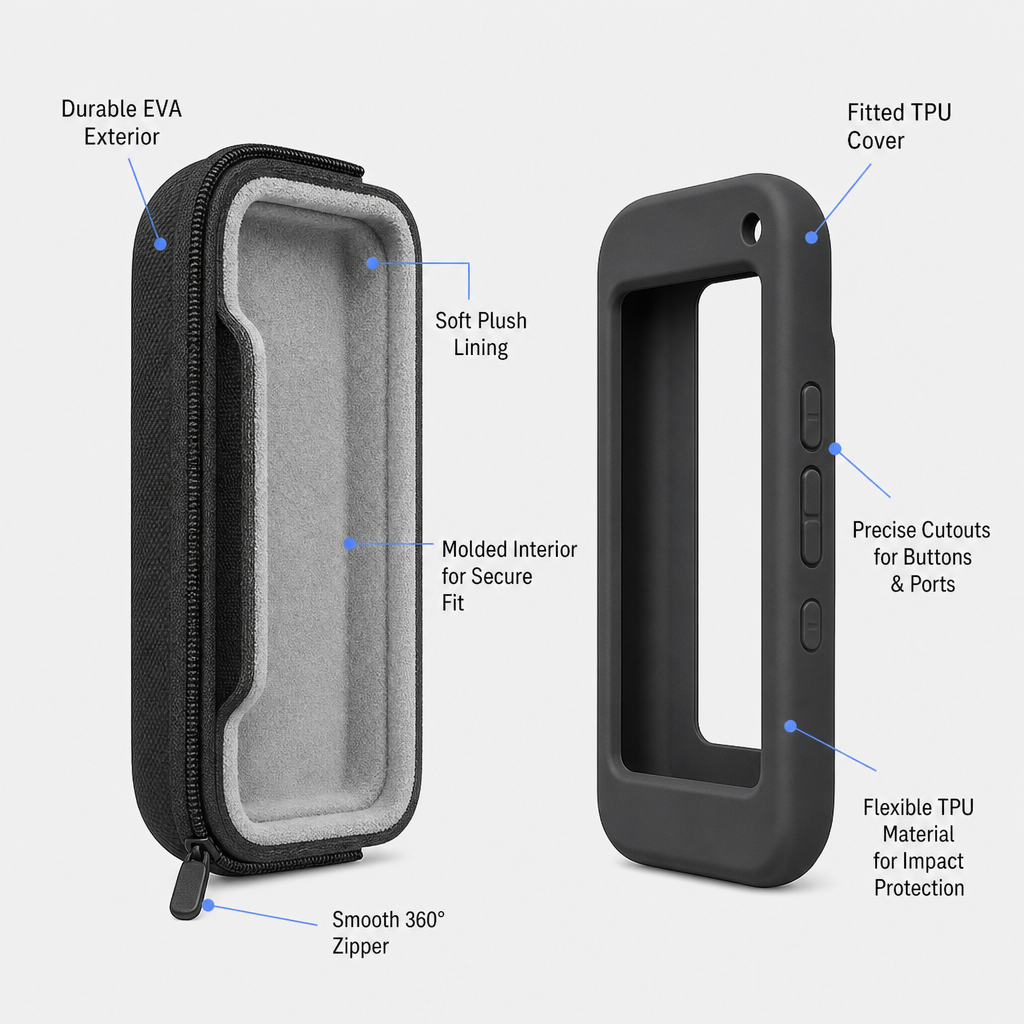
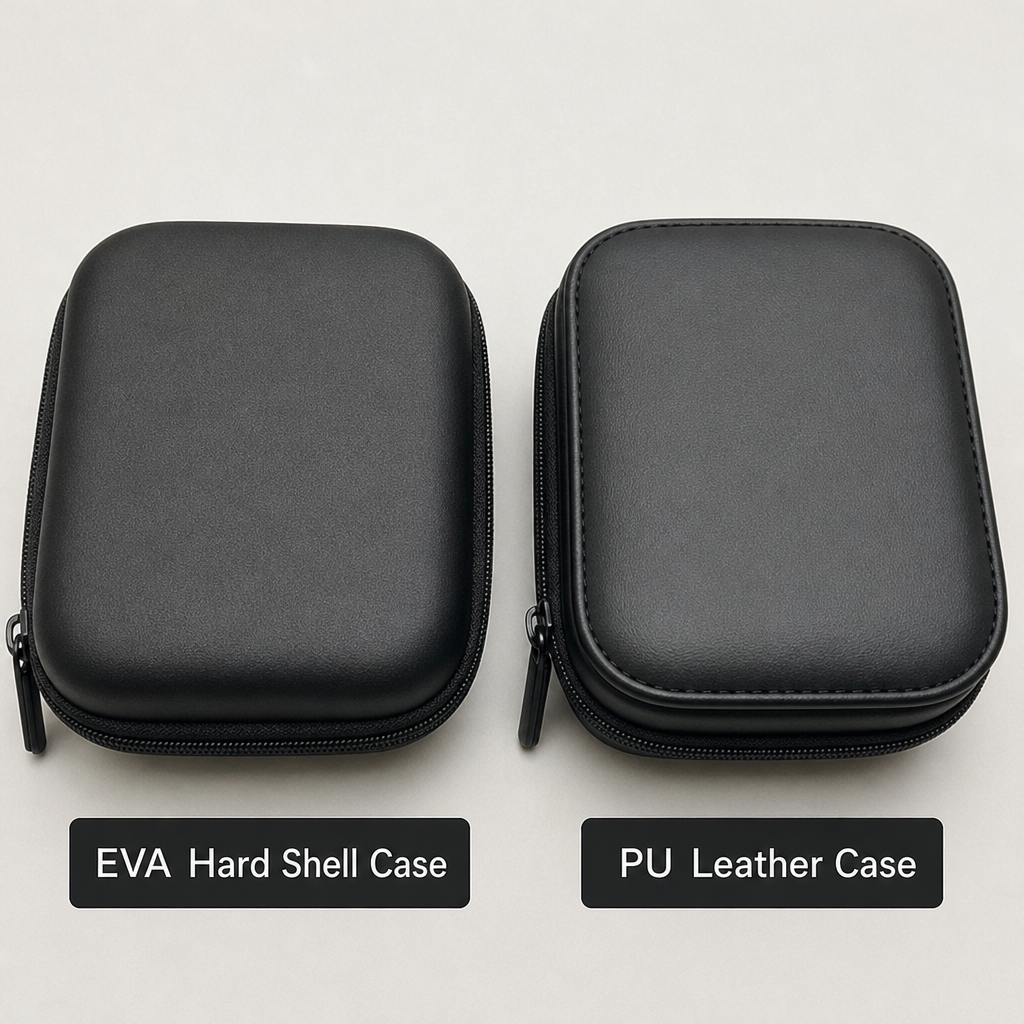
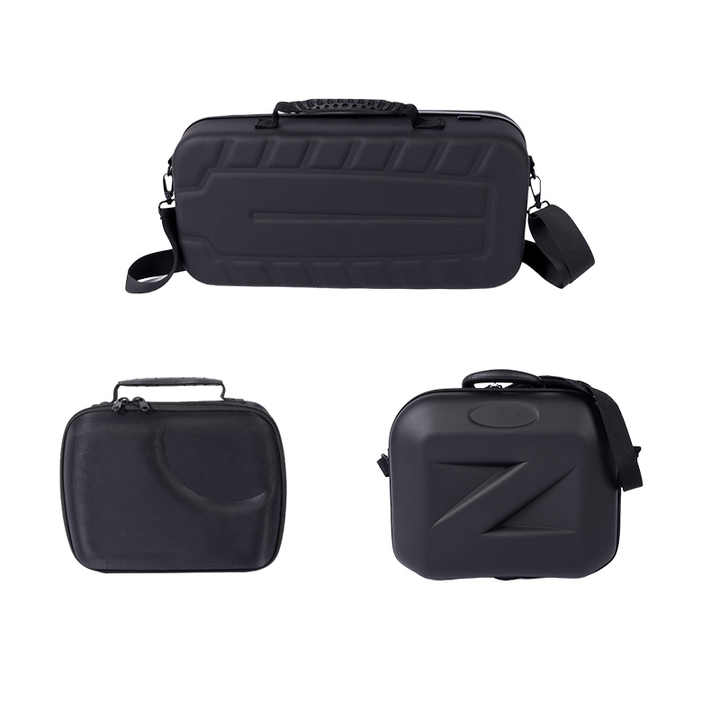
An EVA case typically uses molded ethylene-vinyl acetate foam to create a lightweight, structured enclosure. A silicone case usually takes the form of a fitted cover around a phone or another handheld device. In practical terms, you often put equipment inside an EVA carrying case but continue using equipment inside a silicone cover. These are common formats, not rules for every product.
That distinction changes the comparison. A zippered organizer and a fitted phone cover may both offer protection, but they solve different problems. Compare their intended jobs before comparing their materials: transport protection, everyday handling, accessory organization, or some combination of those needs.
| Consideration | Typical EVA carrying case | Typical silicone device case |
|---|---|---|
| Main purpose | Enclosed storage and transport | Protection during everyday use |
| Construction | Molded foam-based enclosure | Close-fitting cover, sometimes with other materials |
| Access | Usually opened to retrieve equipment | Controls and screen remain accessible |
| Organization | Can accommodate shaped interiors and accessories | Usually follows one device’s outline |
| What to verify | Internal fit, closure, cushioning | Exact model fit, coverage, charging compatibility |
These are typical configurations rather than guaranteed specifications; inspect the individual product before buying.
Protection depends on the whole design
Neither material automatically wins every protection test. EVA carrying cases can combine a molded structure with a fitted interior, while silicone phone cases may combine a soft-touch exterior with internal support or lining. For example, Apple describes microfiber lining in its silicone case, and OtterBox offers a silicone-finished design with polycarbonate construction. The label does not tell you everything underneath it.
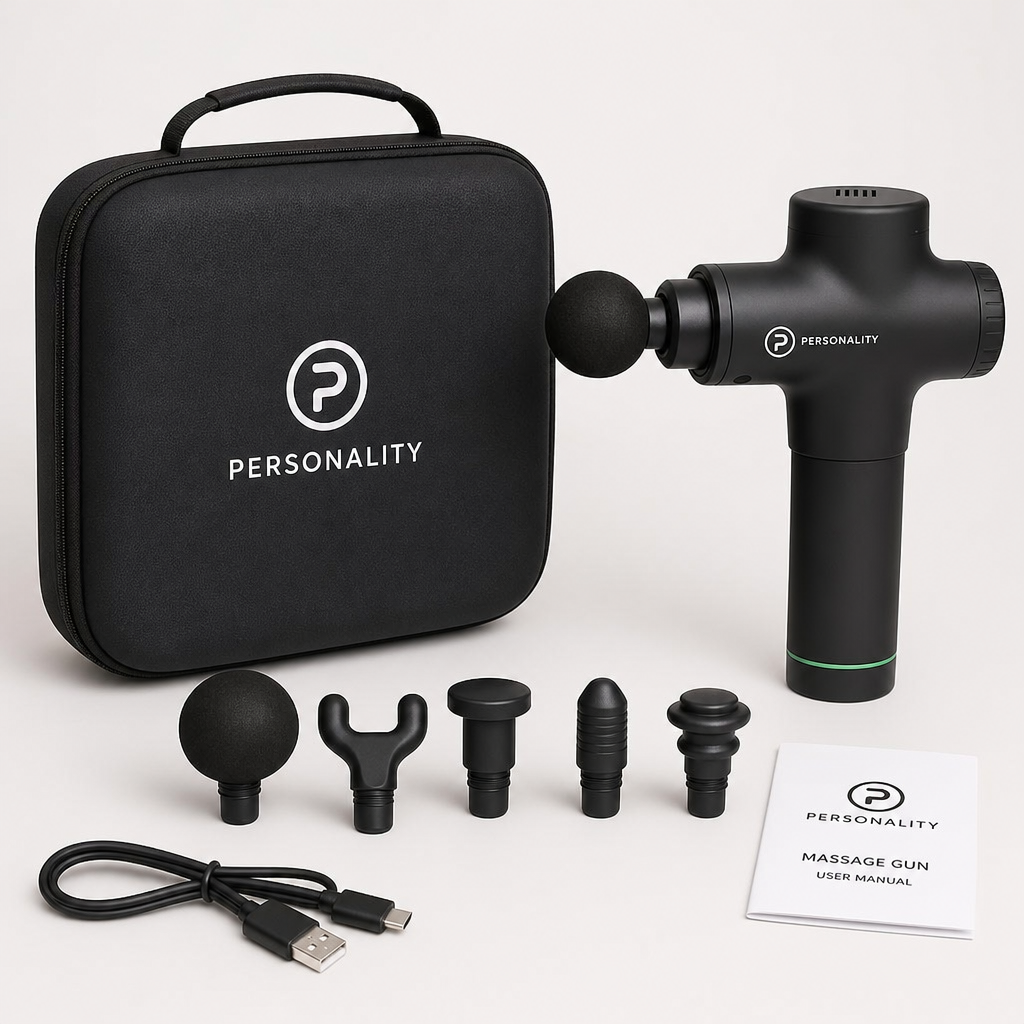
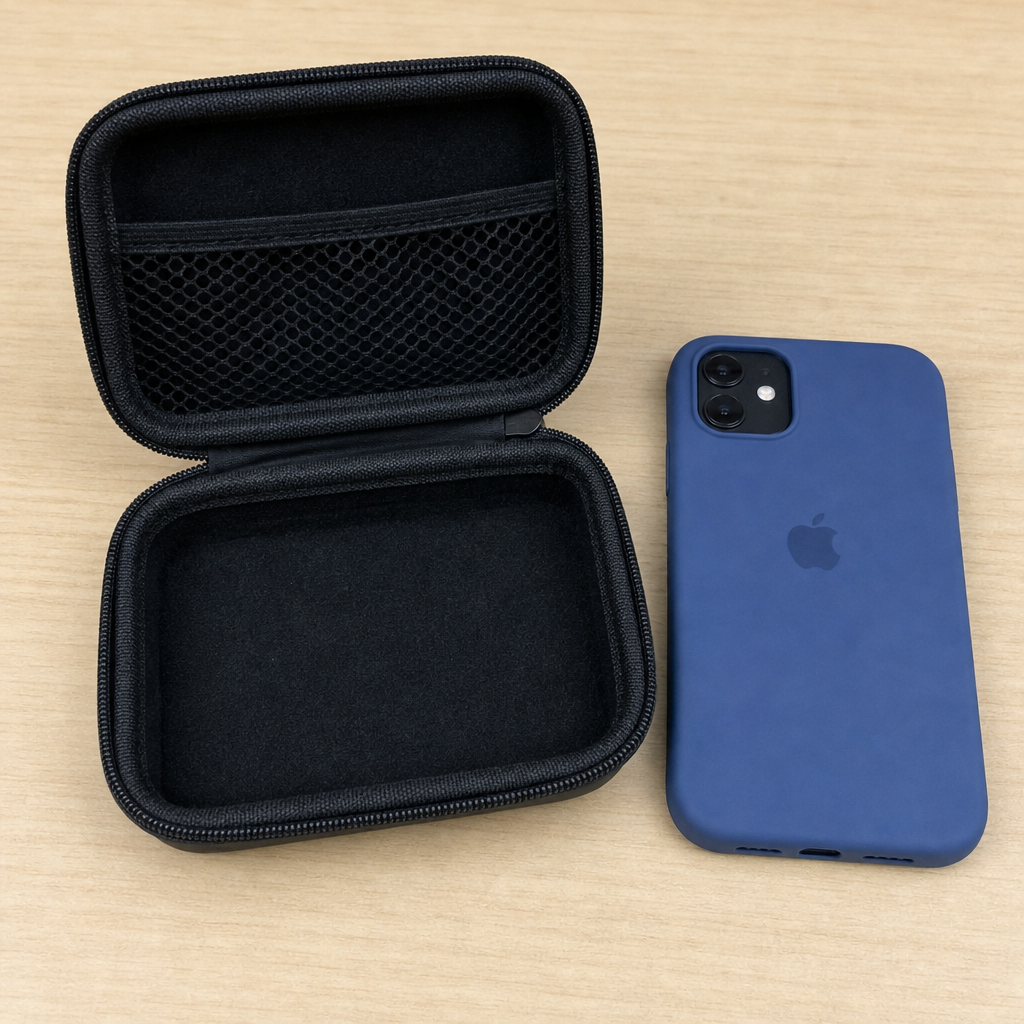
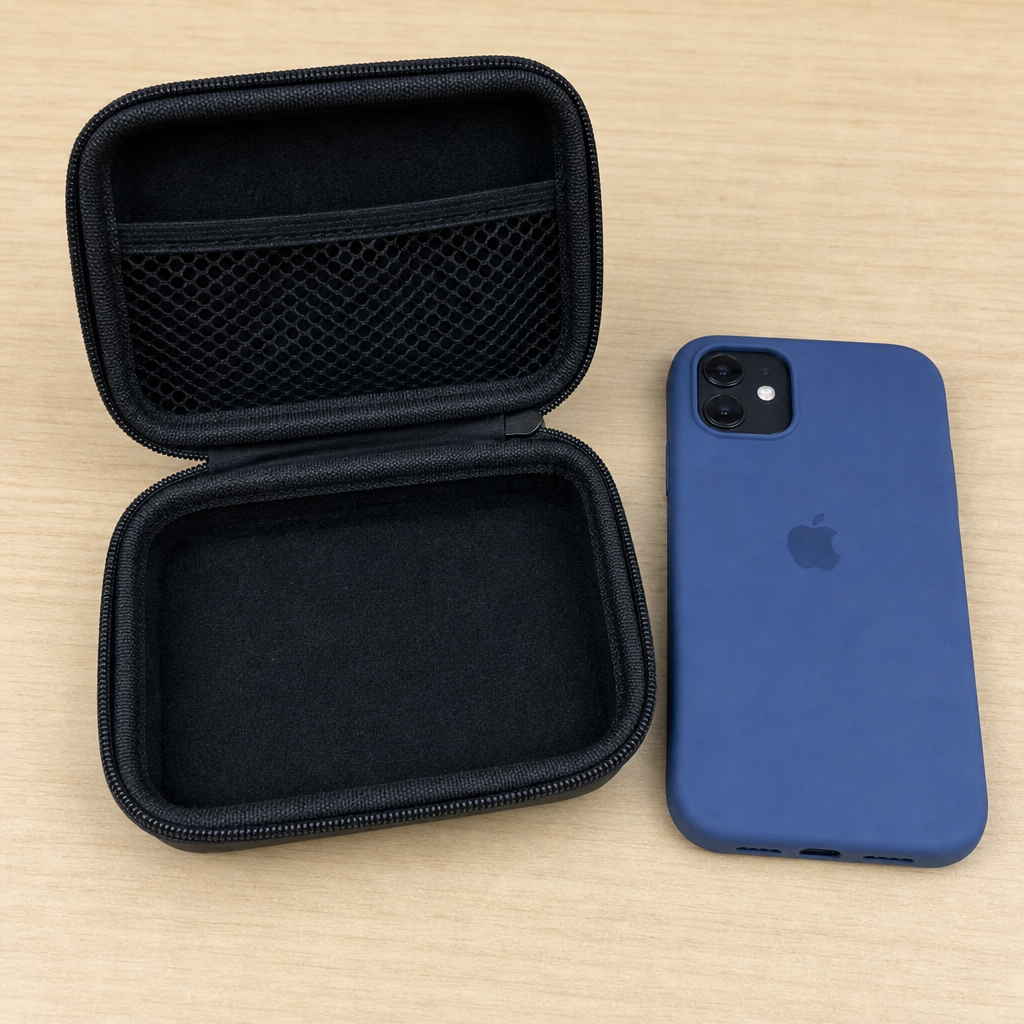
For an EVA case, ask how the equipment is held in place. A shaped interior can support the product and provide designated spaces for components. Manufacturers use custom foam and molded interiors for this purpose; the practical buying question is whether the layout suits your actual equipment, not merely whether everything fits somewhere inside.
For durable phone cases, prioritize evidence about the finished product. Look for documented testing, coverage around vulnerable areas, and a secure fit for your exact phone. OtterBox describes testing its complete case designs for drops, bumps, and scratches, illustrating why product-level information is more useful than assuming every silicone case performs alike.
Treat waterproofing as a separate requirement. Pelican’s watertight protective cases use specific construction features, including a sealing system and latches; a material name is not equivalent to that complete enclosure design. If water exposure matters, request the finished case’s stated rating and usage limitations instead of relying on an unspecified protection claim.
Which material offers more useful flexibility?
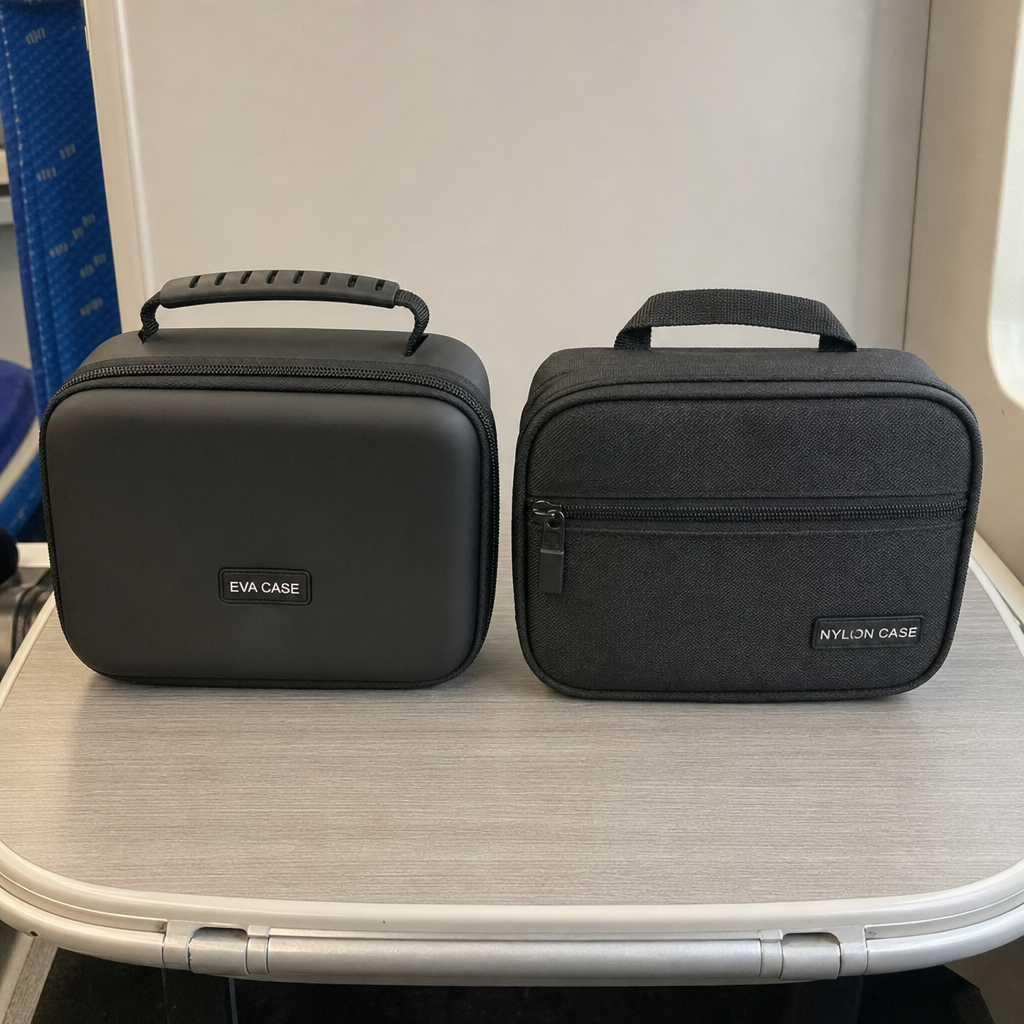
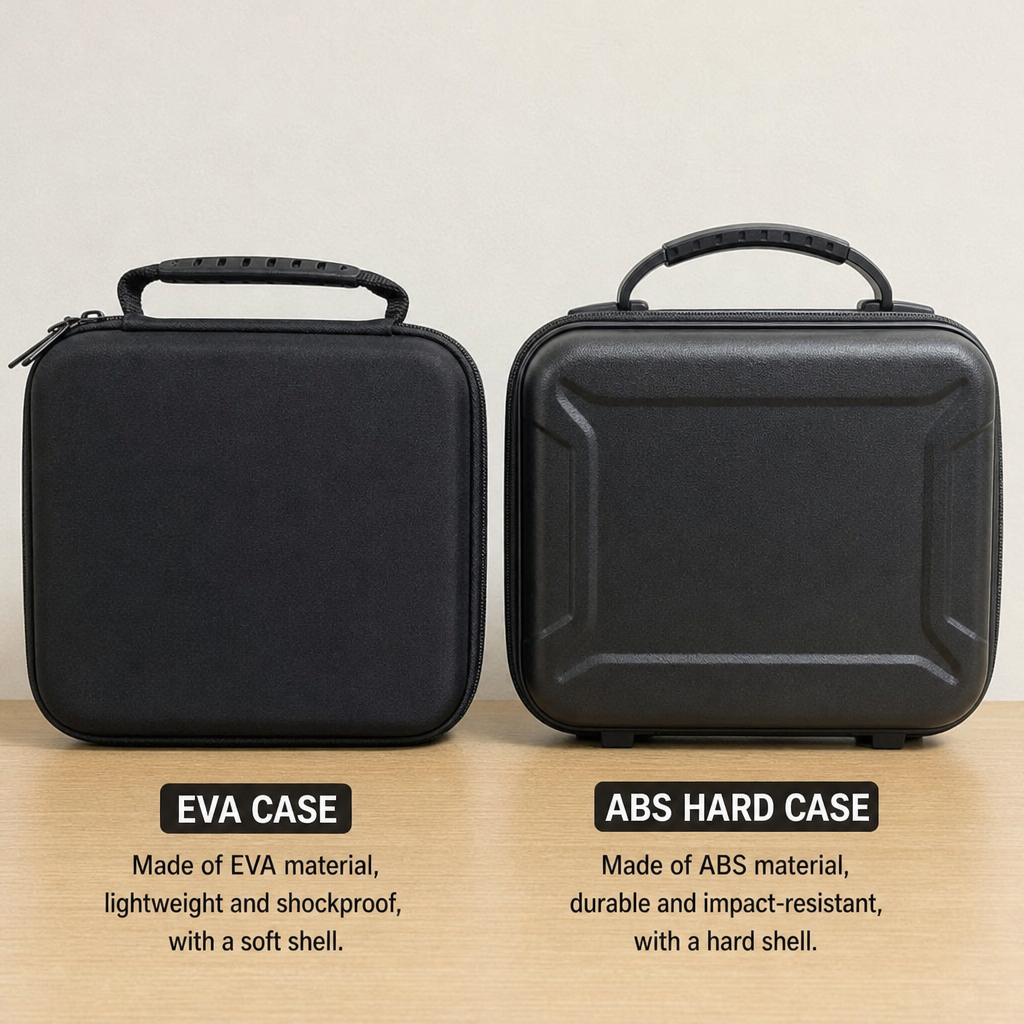
Silicone generally offers the flexibility relevant to a fitted, comfortable device cover, while an EVA carrying case offers a more structured way to hold and transport equipment. However, the useful comparison is between finished products: an internal frame can make a silicone-branded case firmer, and EVA cases vary in construction. Choose the kind of flexibility your task requires.
Among the most practical silicone case advantages are a soft-touch feel and grip during handling. OtterBox identifies additional grip as a characteristic of silicone cases, while Apple emphasizes the tactile finish of its silicone exterior. If you frequently hold your phone for navigation, messages, or photos, those handling qualities deserve attention alongside protection claims.
EVA’s appeal is different: manufacturers can mold it around equipment and combine it with a customized interior. That makes structure useful when you want a dedicated storage position rather than a cover that stays on during operation. For a buyer, the question becomes whether the case preserves the layout you need without making retrieval inconvenient.
Before choosing, try these practical checks:
- For a phone cover: Test button operation, screen-edge gestures, and whether the finish feels secure in your hand.
- For a carrying case: Load your actual equipment, close it normally, and check that nothing requires force.
- For either format: Confirm that routine access is easy enough that you will keep using the protection.
Applications: daily access versus organized transport
Silicone for devices that stay in your hand
A fitted silicone cover makes sense when protection needs to remain in place while you use the device. A model-specific design can preserve access to controls and support charging without removal, as Apple’s silicone case demonstrates. Those conveniences are product-specific, so check compatibility rather than assuming every cover provides them.
Picture a phone moving repeatedly between your hand, desk, and pocket. For that routine, consider a fitted cover first, then evaluate grip, coverage, and accessory compatibility. The best phone cases for your needs should make normal use straightforward; a cover you repeatedly remove is worth reconsidering.
EVA for equipment carried as a kit
EVA cases are used for electronics, instruments, tools, and other equipment that benefits from a purpose-built enclosure. Their molded construction can support a custom-fit interior, making them relevant when several components need to travel together. Manufacturers also offer EVA formats for everyday items such as eyeglasses, phones, and laptops.
Consider a compact recording kit: write down the recorder, microphone, cable, and adapter before choosing a layout. Decide which pieces need separate compartments and which must be immediately visible when you open the case. This turns your shopping criteria into a usable packing plan rather than a search for an appealing exterior.
Using both formats may be worth considering. If your phone already wears a fitted cover, measure it with that cover installed before selecting a carrying case. Treat the larger enclosure as a separate purchase with its own fit requirements.
How do you choose the right case?
Choose according to when the equipment needs protection, what must remain accessible, and what evidence supports the case’s claims. Start with a fitted cover for continuous device use or a structured carrying case for enclosed transport, then assess the actual product. This keeps the eva vs silicone decision focused on function rather than a universal winner.
Use this checklist to narrow your options:
- Describe your routine. Identify whether you mainly carry the device loose, hold it throughout the day, or transport it with accessories.
- Measure the complete setup. Include any cover, attachments, or connectors you plan to leave installed.
- Check access requirements. List buttons, ports, cameras, charging methods, and components that must remain easy to reach.
- Request specific evidence. For protection claims that matter to you, ask what was tested and under what conditions.
- Inspect the sample. Evaluate fit, closure operation, lining, and retrieval using your own equipment whenever possible.
If you are sourcing custom cases, request a prototype or first article before approving production. Cases By Source describes a process that includes drawings and a first article to confirm fit. Use that stage to verify your intended packing arrangement and access needs, not just color and appearance.
Avoid setting a budget from material alone. Compare complete specifications and quotes, including the interior, closures, customization, and any required validation. A cheaper option is not useful if it fails your fit or access checks.
The takeaway: match protection to the job
EVA and silicone are better understood as options for different protective designs than as direct substitutes. EVA is commonly used for structured carrying cases; silicone is commonly used for fitted device covers. Neither description replaces the need to assess the finished product.
Start with your routine, shortlist the appropriate format, and verify fit before buying. For everyday phone use, concentrate on handling and usable coverage. For a traveling equipment kit, concentrate on the enclosure and interior layout. The right case is the one that meets those needs without getting in your way.