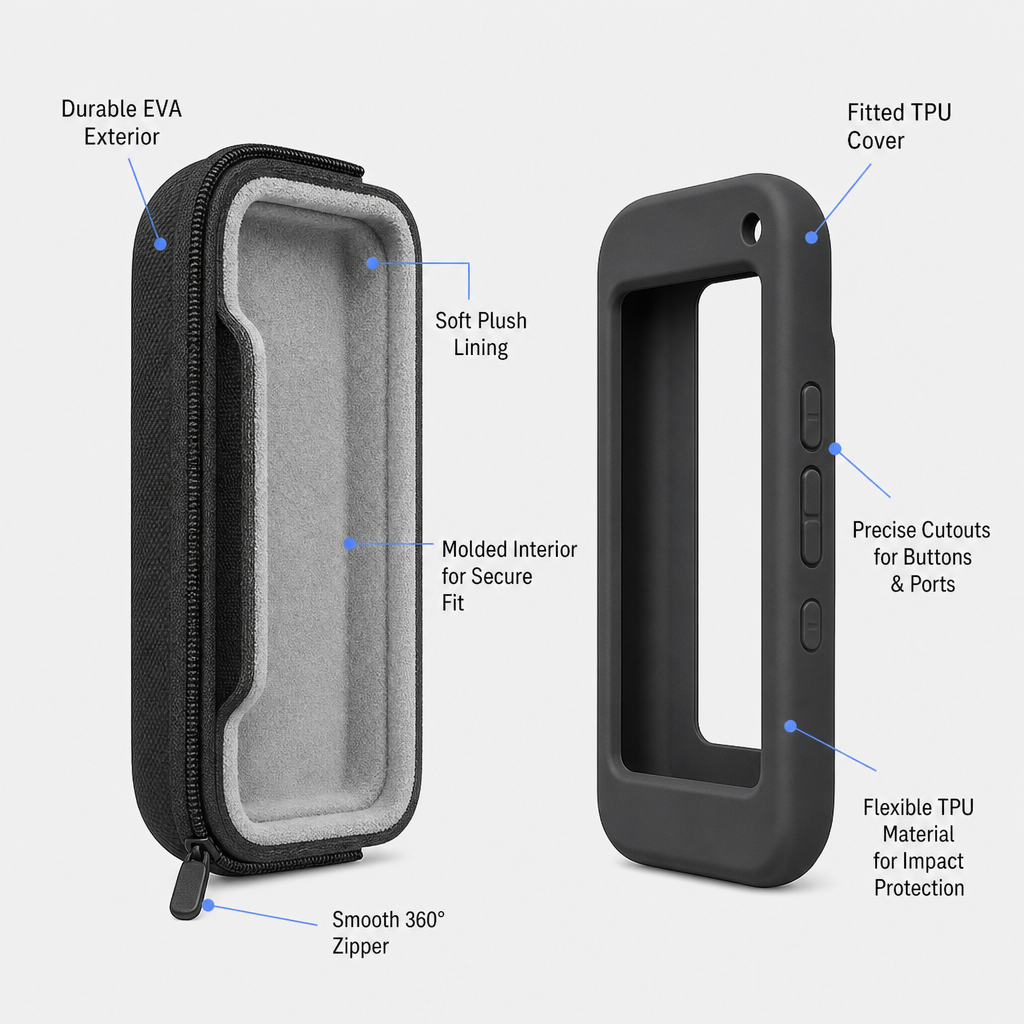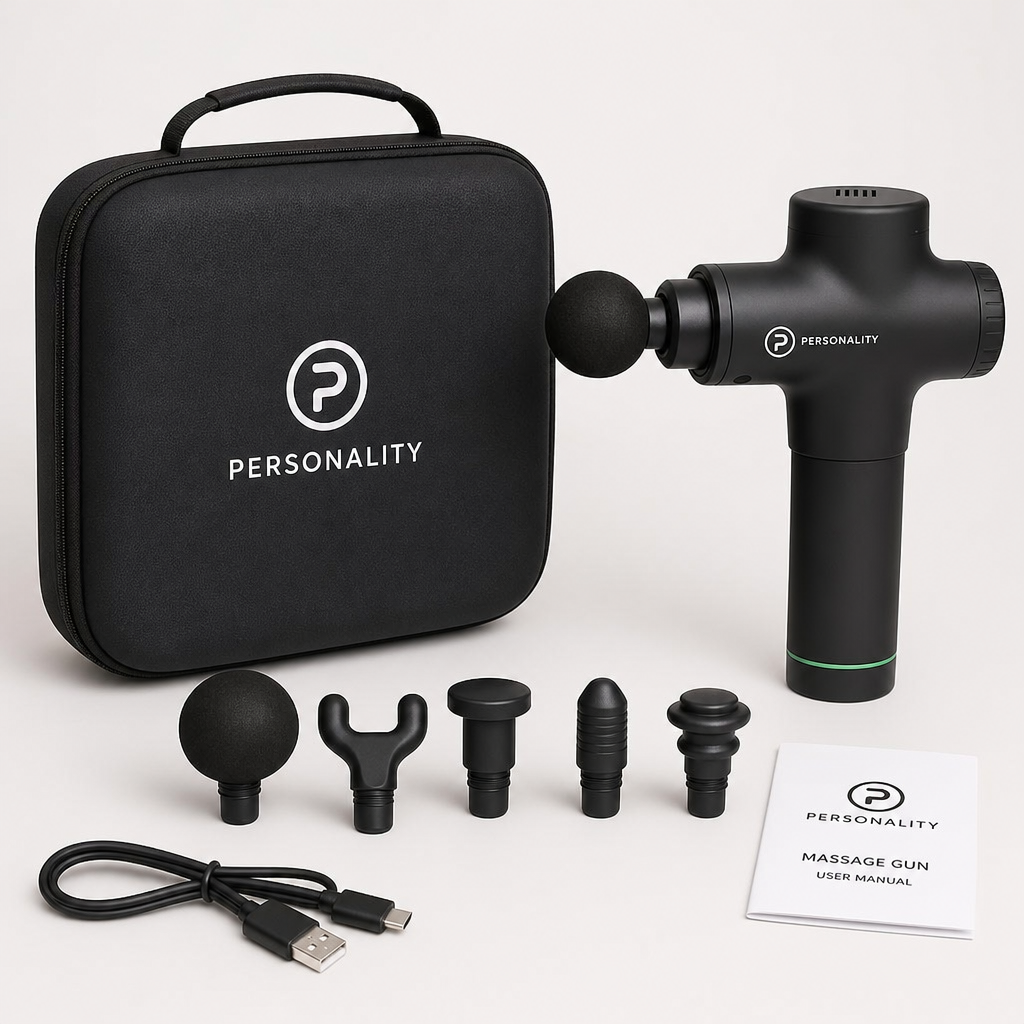
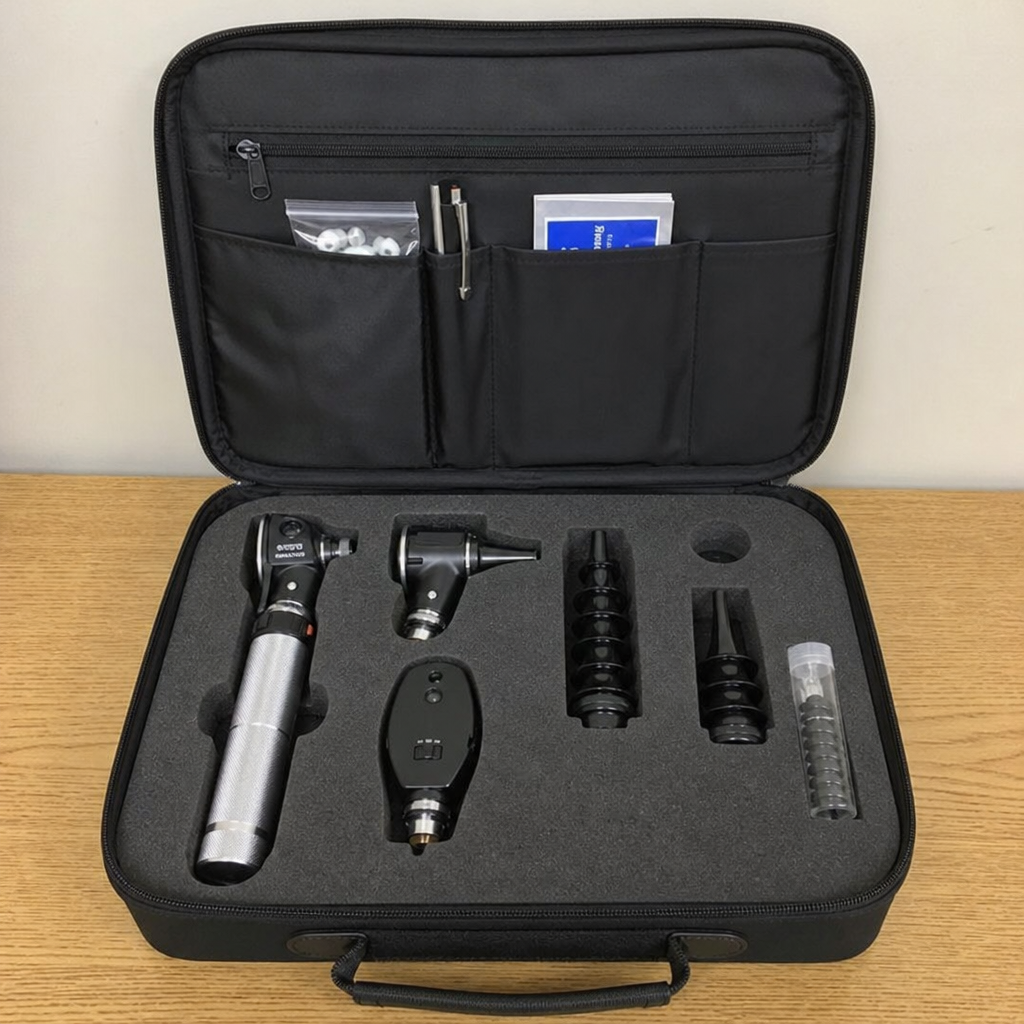
Learn how to choose an EVA case manufacturer for your business by focusing on design experience, quality control, and tailored specifications for optimal protection and presentation.
How to Choose an EVA Case Manufacturer for Your Business
Choosing an EVA case manufacturer means finding a partner that can turn your product’s protection, presentation, and purchasing requirements into a repeatable production specification. Start with your application, compare suppliers against the same brief, and verify their capabilities through documentation, samples, and agreed tests. This approach keeps the decision focused on evidence rather than impressive catalogs or the lowest quoted price.
What should you look for in an EVA case manufacturer?
Look for relevant design experience, transparent production arrangements, documented quality controls, and a willingness to validate your finished case against clear requirements. Your evaluation should establish who makes the product, how specifications are controlled, and what happens when something goes wrong. Treat price as one part of that assessment, not its starting point.
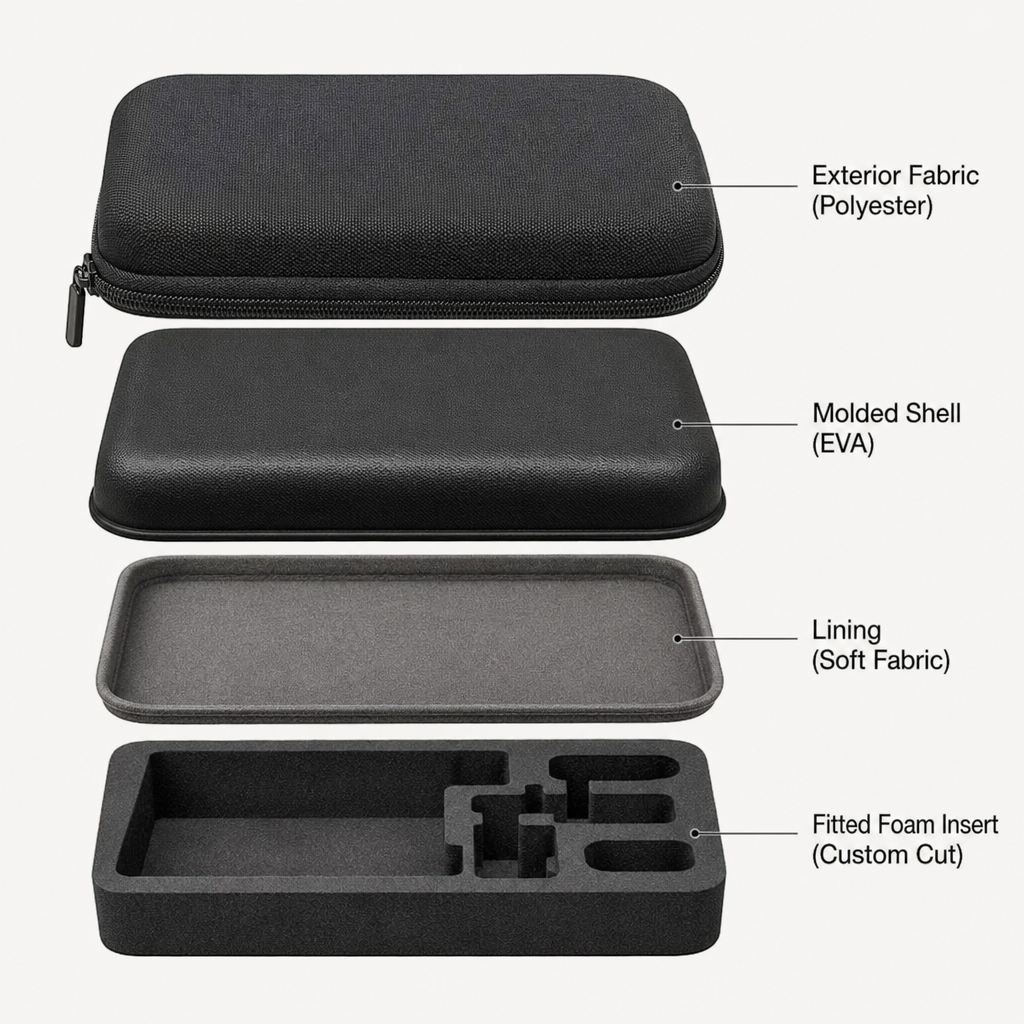
EVA stands for ethylene-vinyl acetate. Its foam properties can vary with formulation, cell structure, and processing, so the material name alone does not establish a case’s protective performance. Ask suppliers to connect their material recommendations to your application instead of relying on a generic promise of durability.
When considering how to choose an EVA case manufacturer for your business, make three decisions early: what the case must protect, what evidence will demonstrate suitability, and which commercial terms you can accept. These become your comparison criteria throughout sourcing.
Build a product brief before requesting quotes
Give every prospective EVA case supplier the same information. Ask each supplier to identify assumptions and exclusions explicitly, especially when your design is still developing. Do not let an unspecified feature become an invisible difference between quotations.
Your brief should cover:
- Product details: Dimensions, weight, fragile areas, accessories, and drawings or a physical reference unit.
- Use conditions: Daily carrying, storage, retail presentation, field work, or transport inside another shipping container.
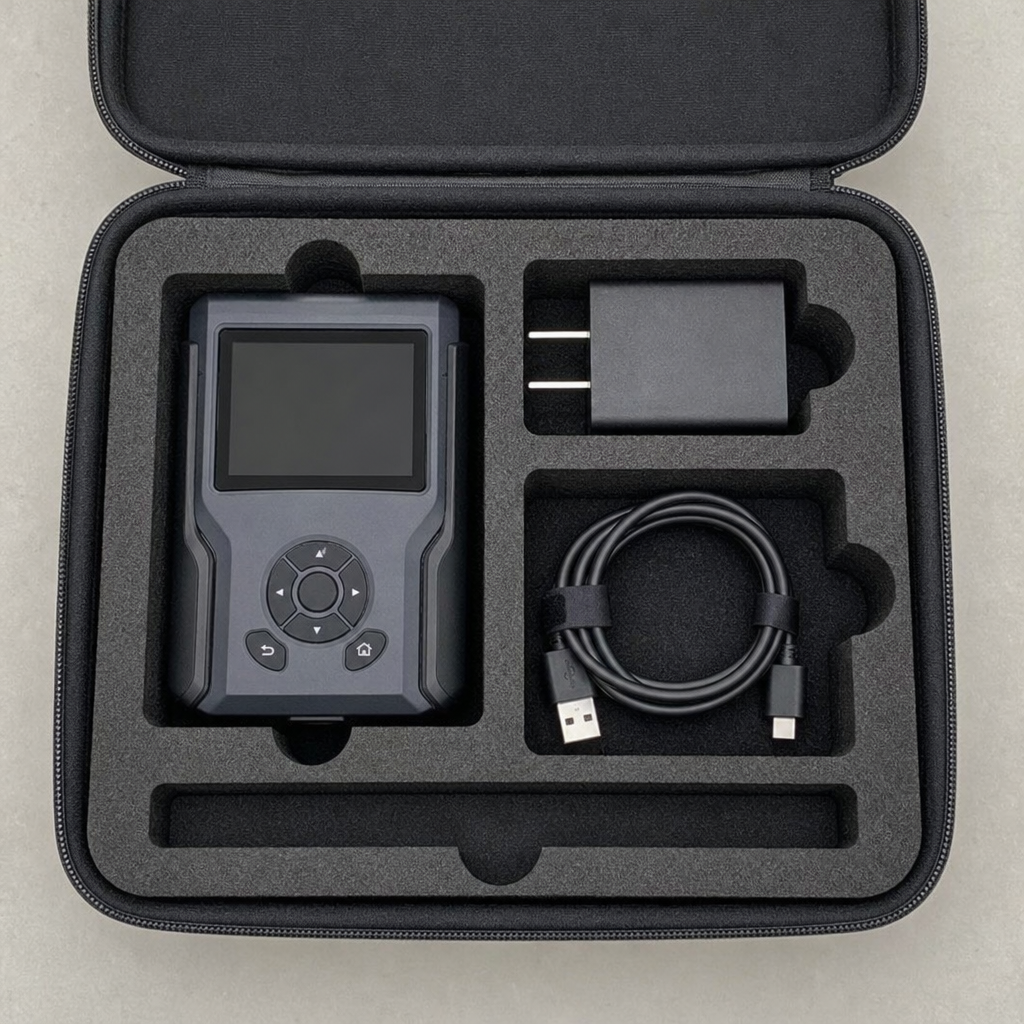
- Interior requirements: Component positions, retention, finger access, dividers, pockets, and space for cables.
- Exterior requirements: Size limits, finish, color references, handles, closures, and branding locations.
- Purchasing needs: Initial quantity, expected reorder pattern, destination, packaging, and required delivery window.
- Acceptance criteria: Fit requirements, appearance limits, functional checks, and any testing that must be completed.
Separate essentials from preferences. For example, secure retention may be nonnegotiable, while a decorative finish could remain open to alternatives. This gives the supplier room to suggest cost reductions without weakening the case’s main purpose.
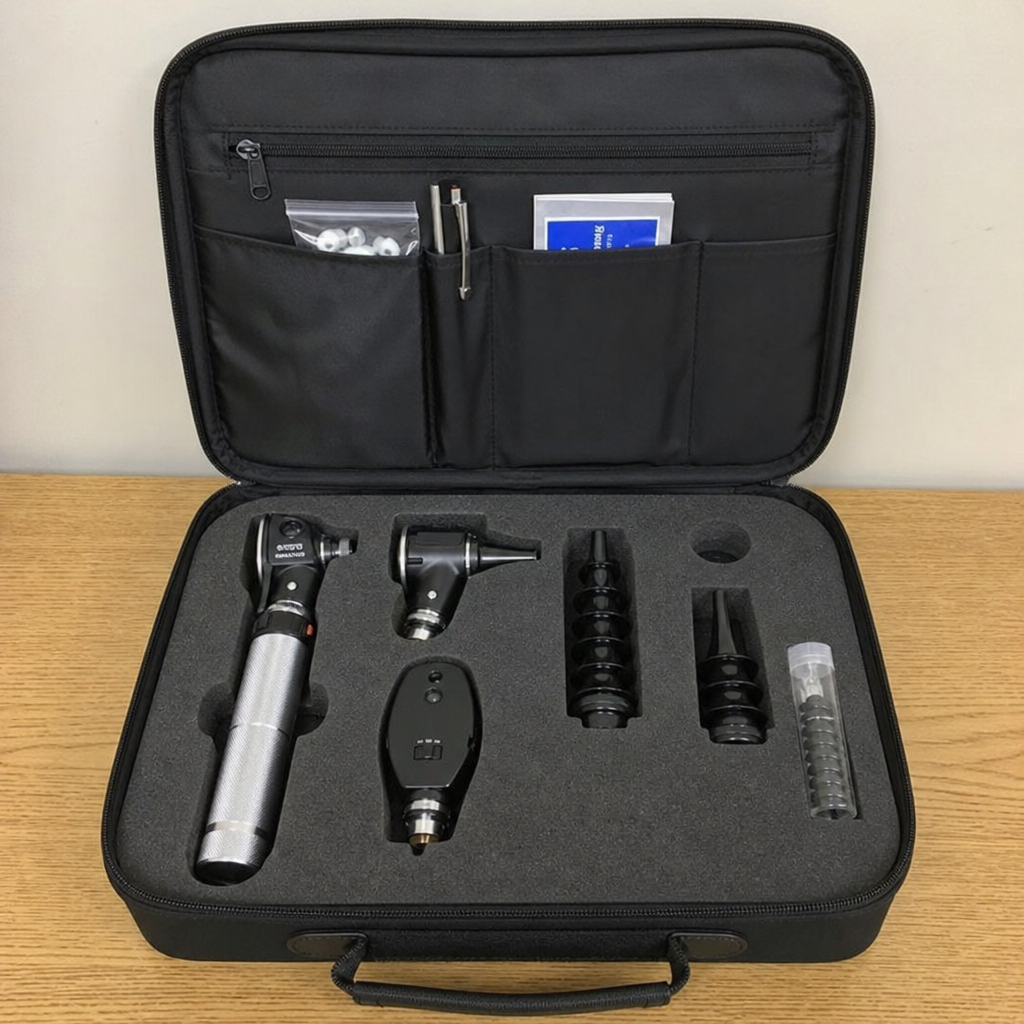
For an instrument kit, describe the packing sequence as well as the contents. Ask whether users can remove the main device without first unloading accessories, and whether the case closes without placing pressure on sensitive controls.
Verify manufacturing responsibility and engineering support
Ask whether you are dealing with a manufacturer, a sourcing company, or a business using both models. Request the production locati0n, the processes performed there, and the work assigned to subcontractors. Your goal is accountability: you should know who controls materials, production changes, inspections, and corrective action.
Request examples of projects with comparable functional requirements, not merely similar logos or colors. A useful discussion should address your product’s weight, component arrangement, access needs, and closure constraints. Where confidentiality limits portfolio details, ask the supplier to explain its design-review process without identifying customers.
Test the quality of technical communication
During development, ask the supplier to review your brief and flag unresolved decisions. Request an explanation of proposed shell construction, insert material, clearances, and assembly approach. Look for recommendations tied to your requirements rather than unexplained upgrades.
For custom EVA cases, establish who prepares drawings, approves revisions, and confirms dimensions before tooling begins. Keep a revision log, and require written approval before substitutions or design changes. Use the quotation stage to agree on these responsibilities rather than postponing them until production.
How do you verify certifications and protective claims?
Verify certifications by checking the named organization, covered site, scope, issuing body, and validity; verify protective claims through relevant product testing. These are separate checks. ISO 9001 concerns an organization’s quality management system, while a finished case still needs evidence that it meets your particular requirements.
When assessing a certified protective EVA case manufacturer, ask which certification is being claimed and what it actually covers. ISO does not issue certifications itself; independent certification bodies do. ISO recommends verifying accredited certifications through the relevant database or directly with the organizations involved.
Match documents to your actual order
For each supplied test report, check the sample description, materials, date, test method, and results against your proposed specification. Ask the supplier to explain any differences between the tested sample and your order. If the construction changes, request a written assessment of whether additional testing is needed.
Have a qualified laboratory or compliance specialist identify requirements relevant to your destination, product category, and intended users. Avoid accepting a general statement such as “compliant materials” without identifying what was assessed. Bag and luggage testing services distinguish physical performance from chemical and restricted-substance testing, which reinforces the need to define both where relevant.
Treat phrases such as “global leading premium protective EVA case manufacturer” as positioning statements, not selection evidence. Ask for the specific records, samples, and controls that support the capabilities important to your order.
Evaluate samples against a written test plan
Request a sample built to the proposed specification, and document any temporary materials or unfinished details. Evaluate it with the actual product and accessories, not just photographs or empty compartments. Keep your observations organized so the supplier can distinguish required corrections from optional refinements.
Use a checklist covering:
- Fit and access: Load every component, remove it normally, and check clearance around fragile areas.
- Retention: Confirm that accessories stay in their intended positions during agreed handling checks.
- Closure: Check zipper movement, alignment, lining clearance, and closure with the complete kit packed.
- Carrying: Assess handle comfort, attachment placement, and balance with the intended contents.
- Finish: Review stitching, edge binding, logo placement, lining, surface appearance, and cleanliness.
- Packing: Check the retail or shipping arrangement, labels, and protection between packed units.
For durability validation, select tests that reflect the intended use. Recognized luggage testing providers offer checks for closures, fastening strength, abrasion, drop impact, compression, and environmental exposure. Choose relevant methods with the supplier or laboratory rather than borrowing arbitrary thresholds from unrelated products.
Ask a high quality protective EVA case manufacturer to document test conditions, sample loading, results, and failure criteria. Specify whether success means an undamaged case, a functioning product, retained accessories, or all three. Do not accept a demonstration without agreeing on what constitutes a pass.
Approve a final reference sample only after required changes are resolved. Record its revision, photograph important details, and arrange for both parties to retain a matching reference. Pair it with written specifications so appearance approval does not replace functional acceptance.
What should a complete supplier quotation include?
A complete quotation should identify the product specification, quantity, unit price, development charges, packaging, delivery basis, payment milestones, and exclusions. It should also distinguish sample timing from production timing. Require written clarification wherever a price depends on an assumption you have not approved.
Compare offers using a common worksheet:
| Quotation item | Clarification to request |
|---|---|
| Tooling and development | Ownership, included revisions, storage, maintenance, and replacement responsibility |
| Minimum order quantity | Whether minimums apply separately to colors, sizes, or branding options |
| Materials and components | Named specifications and the approval process for substitutions |
| Samples and testing | Included work, additional charges, and responsibility for retesting |
| Packing and delivery | Carton details, delivery terms, destination, and excluded expenses |
| Defects and remedies | Inspection process, notification requirements, and agreed corrective action |
Use these details to build your own landed-cost estimate. Include freight, insurance, inspection, and any applicable import-related charges, using current advice for your shipment. Keep uncertain items visible instead of treating the factory price as a complete purchasing budget.
If one offer is substantially lower, ask the supplier to reconcile it against the shared specification. Check whether tooling, insert construction, packaging, testing, or delivery responsibilities differ. Request a revised quotation before deciding that the offers are equivalent.
Confirm production controls and delivery commitments
Before placing the order, ask how the supplier will check incoming materials, monitor assembly, and release finished goods. Request an inspection plan identifying what is checked, when it is checked, and how results are recorded. Agree on defect definitions and acceptance rules before production starts.
Use your approved sample and drawings as the basis for inspection. Identify important details explicitly: internal dimensions, accessory retention, closure function, branding position, and packaging arrangement. Require written approval for any proposed deviation.
Turn the delivery date into a milestone plan
Ask for separate milestones for drawing approval, tooling, sampling, material readiness, production, inspection, and dispatch. Define what starts each stage and which approvals are required to proceed. Keep transit planning separate from the factory’s production commitment.
Confirm who reports progress and how delays will be escalated. Ask what happens if an inspection fails or a component becomes unavailable. Where launch timing is important, discuss contingency options before committing to a schedule.
For a first order, consider a pilot run before authorizing a larger purchase. Use it to review production consistency, packing, documentation, and communication against the approved requirements. Decide in advance which findings must be resolved before the next release.
Choose the supplier you can manage confidently
Build a short scorecard rather than selecting from memory after several sales conversations. Evaluate technical fit, sample results, documentation, production visibility, commercial clarity, and communication. Set mandatory pass requirements before comparing weighted preferences.
For example, make successful fit validation a prerequisite, while treating finish options as a scored preference. Record both the score and the evidence behind it. Leave unanswered items open rather than awarding credit for promises.
Watch for unresolved issues such as:
- Certificates that do not clearly match the contracting business or production site.
- Material descriptions that remain vague after clarification requests.
- Pressure to approve tooling before dimensions and ownership terms are settled.
- Refusal to document substitutions, inspection access, or remedies.
- Samples with unresolved defects that the supplier asks you to overlook.
Ask each shortlisted supplier to respond to outstanding concerns in writing. Use the responses to decide whether the risk is acceptable, needs a contractual control, or warrants removing the supplier from consideration. The best custom protective EVA case manufacturer for your business should meet your requirements and make responsibilities clear—not simply deliver the most polished pitch.
Make the final decision evidence-led
Choose the supplier whose sample, documentation, production plan, and commercial terms support the same agreed specification. Before issuing the purchase order, close unresolved questions and confirm the approved revision, inspection requirements, delivery milestones, and change-control process.
Start with a clear brief and finish with a controlled approval. That gives both your team and the manufacturer a practical basis for deciding whether the delivered cases meet expectations.